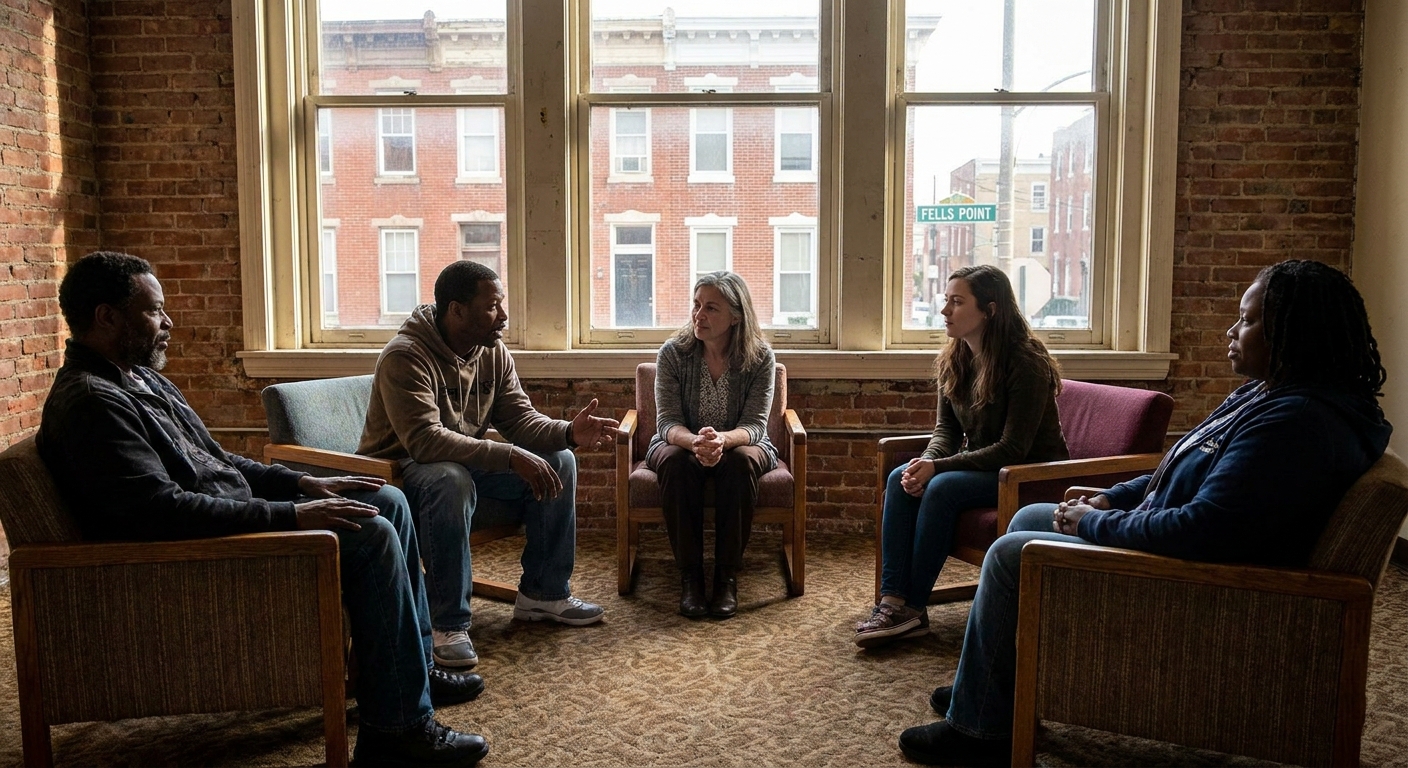

Holistic relapse prevention support can become the bridge between completing treatment and truly living in long-term recovery. When you combine structured accountability with care for your mind, body, and spirit, you give yourself multiple layers of protection against relapse. Instead of simply trying to “white-knuckle” it through cravings and stress, you build a sustainable lifestyle that supports sobriety from every angle.
In this guide, you will explore how holistic relapse prevention support works, why it is so effective after detox and rehab, and how you can integrate it into your ongoing recovery plan.
Understanding holistic relapse prevention support
Holistic relapse prevention support focuses on healing your whole self, not only the substance use. It recognizes that relapse rarely happens out of nowhere. It usually grows out of unmanaged stress, emotional pain, disconnection, or a return to old patterns.
Holistic approaches address your physical health, emotional regulation, mental habits, relationships, and sense of purpose. This can include nutrition, exercise, mindfulness practices, therapy, peer support, and spiritual or values-based work, all integrated into your aftercare program for addiction recovery.
Research highlights that relapse is common in early recovery. Up to 85 percent of people relapse in the first year after treatment, which shows how essential it is to have strong relapse prevention strategies in place after you leave rehab [1]. Instead of relying on willpower alone, holistic support gives you practical tools and ongoing accountability.
Why relapse prevention must go beyond abstinence
Staying substance free is a vital goal, but it is only one part of recovery. If you focus solely on not using, you may miss the underlying conditions that make relapse more likely.
Holistic relapse prevention support helps you:
- Identify triggers before they escalate
- Manage cravings and stress responses in healthier ways
- Rebuild your body and brain so they can handle everyday pressures
- Strengthen your support network and sense of belonging
- Create a meaningful life that makes sobriety worth protecting
A scoping review of 30 studies found that effective self care in substance use disorder recovery includes intentional activities that support your physical, mental, and emotional well being. These activities span nutrition, exercise, stress management, mindfulness, and social support across different cultures and populations [2].
In other words, the more you care for your entire life system, the more resilient you become when you face relapse risks.
Core components of holistic relapse prevention
Holistic relapse prevention is not about a single technique. It is a coordinated approach that uses multiple supports together. You can personalize these tools inside a structured relapse prevention program or outpatient services.
Mind body practices for emotional regulation
Mind body tools help you calm your nervous system and stay present when cravings or uncomfortable emotions show up. These practices strengthen your ability to notice urges without acting on them.
Common mind body approaches include:
- Yoga and stretching
- Mindful breathing
- Guided imagery and visualization
- Meditation and body scan practices
Studies show that yoga and meditation help you breathe through cravings and discomfort, reducing anxiety, panic, and hyperventilation, and support ongoing recovery stability [1]. Mind body practices are also used in holistic therapy programs to reduce cravings, improve emotional regulation, and lower relapse risk overall [3].
Nature based and experiential supports
Connection with nature can be a powerful stabilizer in recovery. Nature therapy has been shown to increase positive neurotransmitters, which helps ease anxiety and depression, two common contributors to relapse risk [1].
You might experience nature based support through:
- Walking or hiking on local trails
- Gardening or outdoor projects
- Beach walks, park visits, or gentle outdoor exercise
- More advanced outdoor challenges, depending on your ability
These activities are flexible and can match your fitness level. They offer a healthy outlet for stress and a reminder that you can feel better without substances. Many holistic programs integrate nature therapy, expressive arts, or other experiential activities along with outpatient relapse prevention therapy to support long term healing [4].
Nutrition, sleep, and physical wellness
Your physical health directly affects your emotional balance and resilience. Poor nutrition, lack of movement, or chronic sleep problems can intensify cravings and lower your ability to cope.
Holistic relapse prevention support often includes:
- Nutritional counseling to rebuild brain and body health
- Education on blood sugar stability and mood
- Gentle exercise or fitness plans that fit your current capacity
- Sleep hygiene strategies and consistent routines
Programs that emphasize nutrition and wellness teach you how to choose foods that enhance brain function and emotional stability, which are crucial for preventing relapse [5]. Physical activity also improves mood, builds confidence, and reduces stress, all of which protect your sobriety.
Integrating evidence based therapies
Holistic does not mean that you abandon proven clinical care. The most effective relapse prevention often combines traditional therapies with holistic practices in a coordinated plan.
Integrated models of care bring together:
- Cognitive behavioral therapy (CBT)
- Cognitive behavioral group therapy (CBGT)
- Mindfulness based interventions such as Mindful Awareness in Body oriented Therapy (MABT)
- Trauma informed individual counseling
- Family or couples therapy
Research indicates that CBGT and mindfulness based therapies help reduce relapse rates and improve emotional regulation in people recovering from alcohol use and other substance use disorders [2]. Many centers use this combination to address both behavioral change and deeper emotional healing [3].
You can access these tools through relapse prevention counseling or an outpatient relapse prevention planning program that tailors therapy to your specific triggers and history.
The role of accountability and structure
Holistic relapse prevention is most effective when it is not left to chance. You need predictable structure and accountability to keep your new habits in place, especially when life becomes stressful.
Sober mentoring and peer accountability
Accountability means you are not carrying recovery by yourself. Instead, you have people and systems that keep you connected, honest, and supported.
You might use:
- Sober mentoring and accountability relationships
- A formal accountability program for recovery
- Peer recovery coaching
- Regular check ins with your therapist, sponsor, or support group
These supports provide practical tools like goal setting, relapse monitoring, and crisis planning, along with encouragement and problem solving. Many programs also offer alumni support for addiction recovery so you can stay connected with peers after you finish primary treatment.
Structured programs for different life stages
Your needs in early recovery may be different from what you require a year or two down the road. Structured relapse prevention can be adapted to each stage.
Examples include:
- A long-term recovery maintenance program that focuses on lifestyle, career, and relationship goals
- A specialized relapse prevention program for veterans that understands military culture and trauma
- Targeted relapse prevention for professionals that addresses work stress, reputation, and confidentiality
These types of programs combine therapy, holistic approaches, and accountability in ways that fit your responsibilities and personal history, rather than asking you to fit a generic model.
Family and community as holistic support
You do not heal in isolation. Holistic relapse prevention recognizes that your family, friends, and community relationships play a major role in your long term recovery.
Engaging your family in relapse prevention
Your family can be a powerful source of stability if they understand addiction, relapse warning signs, and how to respond in supportive ways. Without guidance, loved ones may unintentionally enable old patterns or put pressure on you without realizing it.
Family involvement can include:
- Education through relapse prevention education
- Participation in relapse prevention and family therapy
- Dedicated family support for relapse prevention sessions
- Programs that teach communication skills, boundary setting, and crisis planning
SAMHSA also provides educational resources that explain how family therapy can support people in recovery, and their National Helpline connects families and individuals with treatment and community based supports [6].
When your family members learn how to respond to triggers and setbacks, they become part of your holistic safety net instead of feeling helpless or overwhelmed.
Building a supportive recovery community
Loneliness and isolation are significant drivers of relapse. Group based holistic services help reduce this isolation and give you a place to share your experiences with people who understand what you are going through.
Some ways you can build community include:
- Attending relapse prevention workshops regularly
- Participating in group holistic programs that include yoga, meditation, or nature based activities
- Joining peer led or alumni groups to maintain ongoing connection
Group holistic relapse prevention services have been shown to reduce feelings of isolation and provide ongoing community, which is critical for staying engaged in recovery [1].
Digital and flexible supports for modern recovery
You may not always be able to attend in person services due to work schedules, family responsibilities, or geography. Holistic relapse prevention can also include digital and flexible supports that meet you where you are.
Digital psychological self care tools
Recent research has identified digital psychological self care tools as promising additions to relapse prevention plans. These tools can include:
- Online CBT or skills based modules
- Self paced digital mindfulness or relaxation programs
- Apps and platforms that guide you through coping strategies
Digital psychological self care platforms help you manage recovery more autonomously and can reduce barriers such as stigma, transportation, or limited access to local providers [2]. When combined with in person or telehealth relapse prevention therapy, they increase your access to ongoing support.
Flexible outpatient and aftercare options
You may also benefit from flexible treatment options such as intensive outpatient programs or half day programs that allow you to work or attend school while staying engaged in care. These formats give you room to practice holistic skills at home and in your community.
Integrated treatment models in some regions already combine medical detox, CBT, mindfulness, yoga, and expressive arts with flexible scheduling, which supports holistic relapse prevention for people with varying levels of responsibility and risk [4].
As you plan your step down from residential care, you can work with your team on aftercare planning for sustained recovery so that your support continues in a way that fits your life.
Holistic relapse prevention is not about doing everything perfectly. It is about building a realistic, personalized support system that touches every part of your life, so that you are never facing relapse risk alone or unprepared.
Tailoring holistic relapse prevention to your needs
No two recovery journeys look the same. The most effective holistic relapse prevention support is customized to your strengths, values, culture, and circumstances.
When you design your own plan, you might ask:
- Which mind body practices do you actually enjoy and feel willing to practice regularly?
- How can you realistically incorporate movement, sleep, and nutrition improvements into your daily routine?
- What kind of spiritual or meaning based practices, if any, feel authentic to you?
- Which accountability structures, such as peer recovery coaching or an accountability program for recovery, will you commit to?
- How do you want your family and loved ones involved, and what boundaries do you need?
Some people also prefer faith-based aftercare services as part of their holistic plan, while others rely more on secular approaches such as mindfulness, nature therapy, or creative outlets. Harm reduction strategies and personalized self care that consider gender, social context, and structural barriers can be especially important if you belong to a high risk or marginalized group [2].
You can work with your treatment team to build a written plan or join a structured relapse prevention program that incorporates these elements and tracks your progress over time.
Putting holistic relapse prevention support into action
To move from ideas to action, it helps to simplify your next steps. You can think in terms of systems instead of isolated tasks.
Here is one way to organize your approach:
- Clinical and educational support
- Stay engaged with relapse prevention therapy or counseling.
- Attend relapse prevention workshops and education sessions.
- Accountability and mentoring
- Choose a sponsor, mentor, or coach through sober mentoring and accountability or peer recovery coaching.
- Enroll in an accountability program for recovery if you benefit from structured check ins.
- Family and community
- Involve your loved ones in family support for relapse prevention.
- Join alumni or community groups to maintain connection.
- Mind body and lifestyle
- Commit to at least one mind body practice such as yoga, meditation, or breathwork three to five times per week.
- Set small, realistic goals for movement, nutrition, and sleep.
- Long term planning
- Work with your team on aftercare planning for sustained recovery.
- Consider enrolling in a long-term recovery maintenance program that aligns with your life stage and responsibilities.
If at any point you or someone you care about feels overwhelmed or unsure where to start, you can also contact SAMHSA’s National Helpline, which offers free, confidential referrals to treatment facilities, support groups, and community resources 24 hours a day, 7 days a week [6].
Holistic relapse prevention support gives you more than a set of emergency tools. It helps you build a life that feels worth protecting, one choice and one habit at a time. By combining structure, accountability, family involvement, and whole person care, you strengthen your ability to stay grounded in sobriety and move forward with confidence.