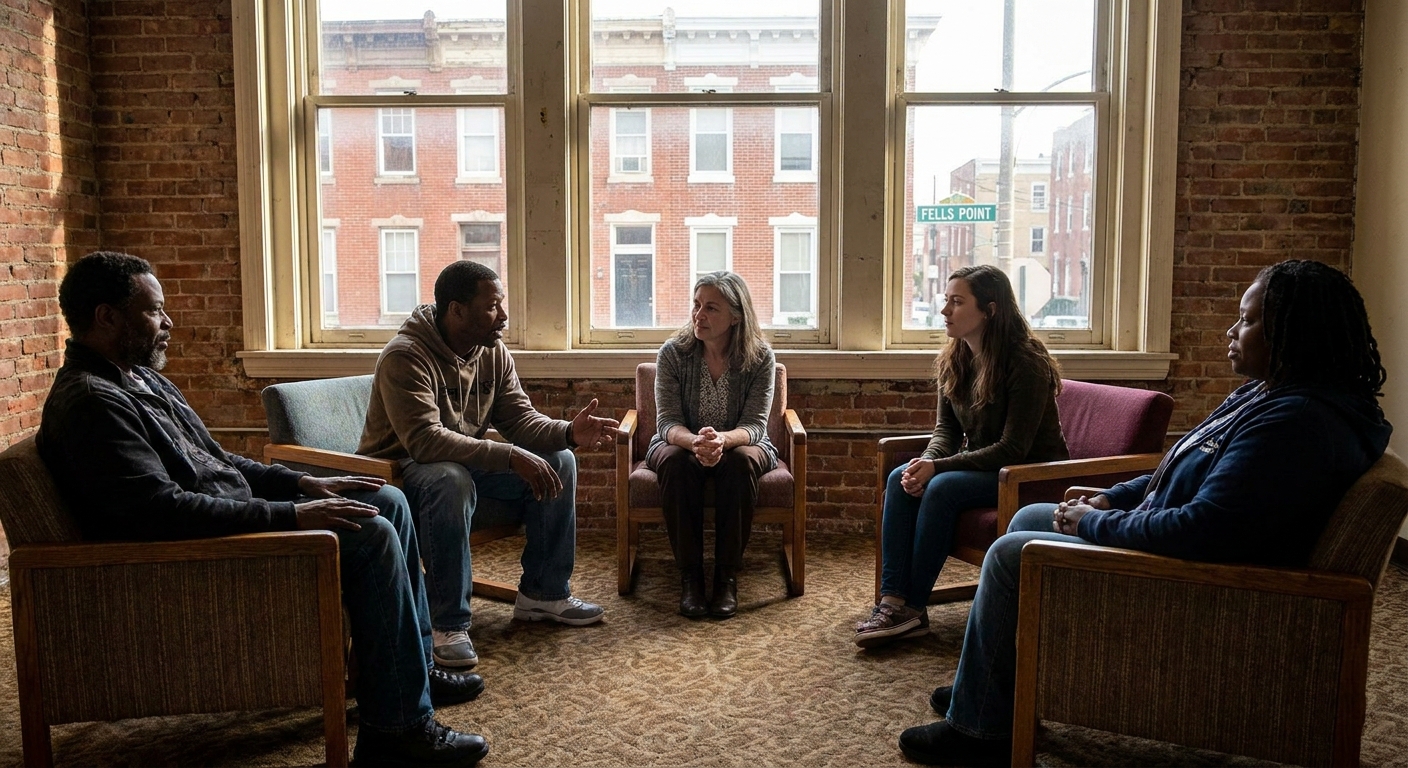

Understanding alumni support for addiction recovery
When you complete detox or rehab, you do not just graduate from a program. You step into a new phase of your life where the structure, check-ins, and constant support of treatment are no longer built into every day. This is the point where alumni support for addiction recovery becomes critical to your long‑term success.
Alumni and aftercare programs give you a structured safety net that continues well after you leave a treatment center. Facilities across the country emphasize that these programs are not optional extras. They are a core part of sustained recovery that help you stay connected, accountable, and emotionally supported as you rebuild your life in sobriety [1].
Why support beyond rehab matters
Finishing treatment is an important milestone, but it does not mean your work is done. Research and clinical experience show that relapse is common in the first year after treatment, especially when support drops off. According to the National Institute on Drug Abuse, relapse rates for substance use disorders are similar to other chronic illnesses, and structured aftercare significantly reduces those rates by providing consistent accountability and resources [2].
Without a plan and people around you, you can quickly move from motivated and hopeful to isolated and overwhelmed. Life responsibilities, stress, and old triggers can return fast once you are home, back at work, or navigating relationships. Alumni support creates a bridge between the safety of treatment and the realities of everyday life so you do not have to figure everything out alone.
If you have not yet explored your options for ongoing care, an aftercare program for addiction recovery can help you take the next step before you lose momentum.
What alumni programs usually include
Alumni and aftercare programs vary by provider, but most include a similar set of core supports designed to keep you connected and engaged.
Treatment centers and recovery organizations commonly offer:
- Regular in‑person or virtual alumni meetings
- Social and recreational events in sober environments
- Peer mentorship and buddy systems
- Ongoing clinical check‑ins and relapse prevention groups
- Phone, email, or online support between meetings
- Volunteer and service opportunities
Programs like Driftwood Recovery organize regular meetings, social meet‑ups, milestone celebrations, community service activities, and monthly mental health checkups to create a supportive and engaging environment where you can maintain sobriety in everyday life [3]. Casa Recovery highlights the value of structured activities, sober living homes, 24‑hour hotlines, and both virtual messaging and in‑person gatherings to help you rebuild confidence and a social life that does not depend on substances [4].
You may also see more formal elements such as:
- Outpatient relapse prevention therapy
- Skills‑based relapse prevention workshops
- Access to a structured relapse prevention program that includes education, counseling, and planning
Together these pieces form a network that follows you long after discharge and adapts as your needs change.
How alumni support builds accountability
Accountability is one of the strongest reasons alumni support for addiction recovery improves outcomes. When you know other people are paying attention to how you are doing, it is easier to stay honest with yourself and your goals.
Regular check‑ins and structure
Many alumni programs schedule routine check‑ins through phone calls, text messages, emails, or brief sessions with a counselor. Twelve Oaks Recovery, for example, offers weekly alumni support groups, continuous email support, and clear relapse prevention plans for every graduate to keep recovery progress on track [5].
These ongoing contacts help you:
- Notice early warning signs before they escalate
- Stay aware of triggers and stressors in real time
- Adjust your relapse prevention plan as your life changes
- Avoid the slow drift back toward old patterns
If you benefit from having clear expectations and structure, joining an accountability program for recovery or a formal long-term recovery maintenance program can give you that ongoing framework.
Sober mentoring and peer coaching
Alumni communities are also a natural place to connect with people who are a little further along in recovery than you. Many programs organize mentorship and peer support to create practical, day‑to‑day accountability.
Options might include:
- Peer recovery coaching for one‑on‑one support
- Sober mentoring and accountability relationships with trusted peers
- Small accountability groups that check in regularly
These supports are especially helpful when you are facing a tough decision, feeling cravings, or moving through a major life change. A mentor who understands your specific challenges can help you walk through risk situations instead of reacting impulsively or returning to old habits.
Reducing isolation and building community
One of the greatest threats to long‑term sobriety is isolation. Many people leave treatment and return to environments where almost no one truly understands what early recovery feels like. Alumni programs are designed to solve that problem by surrounding you with people on a similar path.
The Robert Alexander Center notes that alumni support networks ease the sense of isolation that often follows treatment by offering a strong community of people who understand the challenges of recovery, which in turn helps you feel connected, supported, and less alone [6].
In‑person and online connection
Effective alumni programs use multiple ways to keep you connected over time, such as:
- Email groups or newsletters
- Private social media groups
- Scheduled check‑in calls
- Virtual support meetings and chat groups
Casa Recovery describes how combining online platforms and in‑person gatherings improves emotional health and socialization and gives you a safe place to share challenges and work on relapse prevention skills in community [4].
Online spaces are especially important if you live far from your treatment center or cannot attend every in‑person event. They help you ask for support quickly and stay engaged even during busy seasons of work or family life.
Shared experiences and mutual understanding
Being part of an alumni community allows you to:
- Talk openly about relapse fears without judgment
- Share practical strategies that have helped you manage cravings
- Hear how others handled situations you are facing right now
- Learn from people who have stayed sober through setbacks
This kind of mutual support is more than just encouragement. It is education, accountability, and companionship combined, which is why many centers view alumni involvement as an essential part of recovery, not just a social perk [7].
If you ever find yourself pulling away from connection, it can help to revisit your relapse prevention counseling or relapse prevention therapy plan so you can identify what is driving that withdrawal and reengage before isolation becomes dangerous.
Ongoing connection is not a sign that you are failing at independence. It is a key ingredient of long‑term freedom from addiction.
Strengthening relapse prevention skills over time
Relapse prevention is not a one‑time workshop you complete in treatment. It is a set of skills that need practice, reinforcement, and adjustment throughout your life. Alumni support gives you regular opportunities to refine those skills as your circumstances change.
Continuous relapse prevention education
Many alumni programs include educational elements, such as:
- Psychoeducation groups on triggers and coping skills
- Workshops on managing stress, emotions, or relationships
- Guest speakers and panels with long‑term alumni
These efforts align with the idea that relapse prevention is an ongoing learning process. If you want more structure, you can join a dedicated relapse prevention education program or attend targeted relapse prevention workshops to deepen what you learned in rehab.
Unlimited Bounds notes that aftercare and alumni programs are designed to empower you with the tools and connections necessary for long‑term addiction recovery, emphasizing that support remains accessible no matter what stage of recovery you are in [2].
Personalized planning for your life
A good relapse prevention plan reflects your specific stressors, responsibilities, and values. Alumni programs give you chances to update that plan as your life evolves.
You might:
- Revisit your coping skills once you return to full‑time work
- Add strategies for parenting stress or caregiving responsibilities
- Make a plan for holidays, travel, or high‑risk social events
- Develop a step‑by‑step process for what to do if cravings intensify
Working with an outpatient relapse prevention planning specialist or a structured relapse prevention program can help you keep this plan realistic and actionable, instead of something you only think about during a crisis.
Involving your family and loved ones
Recovery does not happen in isolation from your relationships. The people closest to you can either support your sobriety or unintentionally make it harder. Alumni support for addiction recovery often includes resources for your family so everyone can move forward together.
Programs that integrate family education and therapy help your loved ones:
- Understand addiction as a chronic, treatable condition
- Learn what supports your recovery and what undermines it
- Recognize signs of stress, cravings, or relapse risk
- Set healthy boundaries and expectations
Some centers offer services similar to family support for relapse prevention or relapse prevention and family therapy, which give you and your family a structured setting to talk about concerns, rebuild trust, and learn new ways to communicate.
When your family is involved in your aftercare planning for sustained recovery, you are less likely to feel like you are carrying the weight of recovery alone. They can also become part of your accountability network by noticing changes and encouraging you to reach out for help early.
Finding meaning, service, and long‑term growth
Staying sober is the foundation of recovery, but a fulfilling life in recovery is about more than just not using. Alumni programs often emphasize personal growth, service, and purpose so you can build a life that feels worth protecting.
Alina Lodge describes recovery as a process grounded in serenity, service, and growth. They note that more than two‑thirds of individuals relapse within weeks to months of starting treatment, and over 85 percent relapse within one year, which underscores how critical it is to stay engaged with growth‑oriented communities over the long term [8].
Giving back and leadership roles
Many alumni programs create chances for you to:
- Volunteer at events or in the community
- Share your story at meetings or educational sessions
- Become a mentor or sponsor for newer alumni
- Take on informal or formal leadership roles in groups
Ashley Addiction Treatment highlights how community‑based activities and volunteering give you ways to give back, which strengthens your sense of purpose, empathy, and gratitude, all of which support your recovery goals [7].
These opportunities are not just about helping others. They often deepen your own commitment to sobriety and expand your skills in communication, boundaries, and emotional regulation.
Faith and holistic support
If spiritual or holistic practices are important to you, alumni or aftercare services may incorporate those dimensions as well. Some programs offer:
- Spiritual or faith-based aftercare services
- Mindfulness, yoga, or meditation groups
- Nutrition, fitness, or wellness education
- Creative or experiential therapies
These approaches reflect a holistic relapse prevention support mindset, where your physical, emotional, spiritual, and social health are all viewed as connected and important to your recovery.
Tailoring alumni support to your situation
Your recovery path is unique, and your alumni support can be too. The right mix of services depends on your history, responsibilities, and goals.
For example:
- If you are a veteran, a specialized relapse prevention program for veterans can address combat trauma, reintegration stress, and military culture.
- If you work in a high‑pressure professional field, relapse prevention for professionals can help you manage confidentiality concerns, workplace stress, and career expectations.
- If you need ongoing clinical structure, a long-term recovery maintenance program or outpatient relapse prevention therapy can give you more frequent contact with clinicians.
You do not have to choose only one type of support. Many people benefit from combining alumni meetings, individual therapy, family involvement, and peer accountability to create a layered safety net.
Taking your next step in alumni support
If you have already completed detox or rehab, you have done an important and challenging piece of work. Alumni support for addiction recovery is about protecting that investment and giving yourself the best chance at a stable, meaningful life in sobriety.
You can start by:
- Asking your former treatment center what alumni or aftercare services they offer.
- Exploring an aftercare program for addiction recovery that fits your schedule and needs.
- Working with a therapist or counselor on outpatient relapse prevention planning.
- Inviting trusted family members into family support for relapse prevention or similar services.
- Connecting with peers through peer recovery coaching or a local alumni group.
Staying connected is not a sign of weakness. It is a choice to surround yourself with people, tools, and structures that help you move from surviving to truly living in recovery.