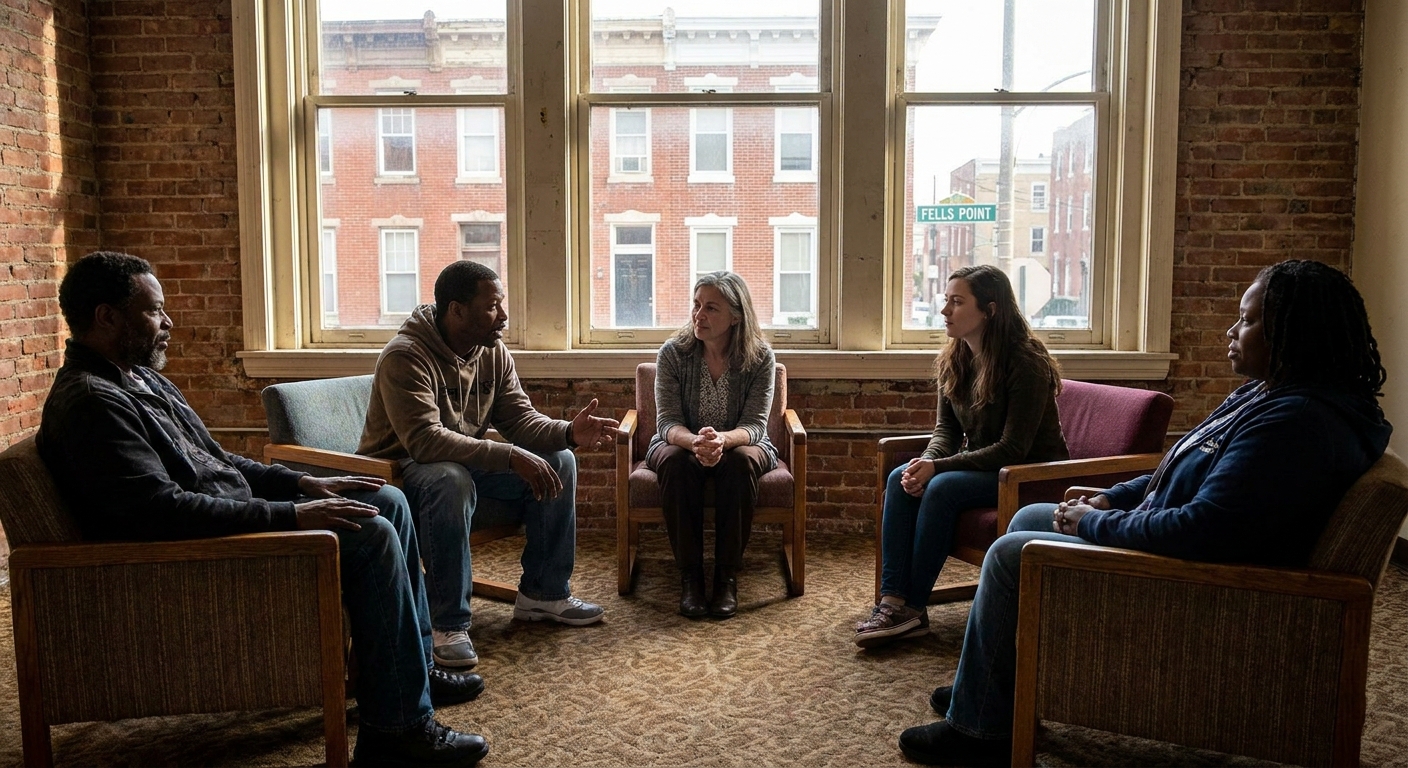

What faith-based aftercare services are
Faith-based aftercare services give you structured support after detox or rehab while keeping your spiritual life at the center of your recovery. Instead of sending you home with a discharge packet and a few meeting lists, these programs weave prayer, Scripture, worship, and faith community into your long-term relapse prevention plan.
In many faith-based addiction treatment settings, spiritual practices are integrated with evidence-based therapies such as cognitive behavioral therapy and medical support so your mind, body, and spirit are addressed together [1]. Some centers have offered this integrated approach since the early 1990s with support from organizations like the Substance Abuse and Mental Health Services Administration [2].
If you have already completed treatment, faith-based aftercare becomes the bridge between what you learned in rehab and the life you live every day. It provides ongoing structure, sober relationships, and spiritual accountability so you are not walking this road alone.
Why accountability matters after rehab
Once you leave a structured program, you gain freedom but you also lose constant oversight. Without a plan, that gap can quickly turn into isolation, secrecy, and old habits. Strong accountability systems fill that gap and keep your recovery visible, supported, and on track.
Accountability in faith-based aftercare usually works on three levels:
- You are accountable to yourself and your recovery goals.
- You are accountable to trusted people, such as mentors, peers, and family.
- You are accountable to a higher power or to God, which can add a deeper sense of purpose and responsibility.
Faith-based programs often make this third layer explicit. Practices like confession, prayer, and spiritual mentorship encourage you to bring your struggles into the light and to seek help early, instead of waiting until a slip turns into a full relapse [1].
Research also supports the value of spiritual accountability. In one review, patients who reported a spiritual awakening had significantly higher sobriety retention rates than those without spiritual components in their care, with 82 percent remaining sober after one year compared to 55 percent [2]. Faith is not a shortcut, but it can be a powerful motivator to stay honest and engaged with your recovery.
If you are building your own accountability structure, you might also find it helpful to explore a formal accountability program for recovery or a structured relapse prevention program so you are not trying to improvise everything on your own.
Core components of faith-based aftercare
While every program looks a little different, most faith-based aftercare services share a set of common elements designed to support long-term recovery.
Spiritual practices woven into daily life
Faith-based aftercare does more than occasionally mention God. It intentionally makes spiritual practices part of your weekly rhythm:
- Prayer and guided meditation
- Individual or group Scripture study
- Worship services or chapel gatherings
- Devotionals focused on recovery themes
- Opportunities to serve others in the community
Centers like S2L Recovery describe addiction as a spiritual battle and integrate Scripture, prayer, worship, and biblical counseling into daily life as a foundation for lasting transformation [3]. You are encouraged to build habits that draw you closer to God at the same time you are building habits that keep you away from substances.
Evidence-based counseling and relapse prevention
A quality faith-based program does not ask you to choose between spiritual help and clinical help. Many combine both. You might work with licensed therapists who use cognitive and behavioral therapies, while pastoral counselors and mentors support your spiritual growth from a biblical worldview [3].
If you need more structured clinical support, an aftercare program for addiction recovery or relapse prevention therapy can fit alongside faith-based elements. Outpatient counseling gives you space to process triggers, mental health symptoms, and relationship stressors while you stay rooted in your faith community.
Sober mentoring and recovery coaching
One of the strongest features of faith-based aftercare is access to people who have walked the road before you. These sober mentors and recovery coaches provide practical guidance, spiritual encouragement, and day to day accountability.
For example, S2L Recovery uses full time Certified Recovery Coaches in their aftercare model to offer hands on guidance, accountability, and encouragement throughout the journey [3]. You might meet with a mentor weekly to review your progress, talk through temptations, and pray together.
If you prefer a structured coaching approach, you can also look into peer recovery coaching or sober mentoring and accountability. These services often work well alongside faith-based sponsorship or pastoral care.
Group support and community
Recovery is easier when you are not the only one fighting. Faith-based aftercare services intentionally create community through:
- Prayer circles and Bible study groups
- Support groups that integrate Scripture with recovery topics
- Church based recovery meetings
- Men’s or women’s groups focused on sobriety and discipleship
Studies of faith-based treatment in Hong Kong found that religious support and religious meaning were strongly associated with better abstinence outcomes after treatment, increasing the odds of remaining abstinent by 57.1 percent and 49.9 percent respectively six months after discharge [4]. In other words, feeling supported by a spiritual community matters.
You might also find long term connection through an alumni support for addiction recovery network or a long-term recovery maintenance program that keeps you in touch with peers long after you leave formal treatment.
How faith-based aftercare strengthens accountability
Faith-based aftercare services do more than surround you with religious language. They set up practical systems that support consistent, honest, sober living.
Clear recovery and spiritual goals
Effective programs help you identify both recovery goals and spiritual goals. For example:
- Staying abstinent one day at a time
- Rebuilding trust with family members
- Returning to work and managing stress in healthy ways
- Establishing a daily prayer and Bible reading routine
- Getting involved in a local church or small group
These goals can be woven into your aftercare planning for sustained recovery, so you have a roadmap instead of vague intentions. You and your mentors then use these goals as checkpoints in your regular conversations.
Regular check ins with mentors and peers
Accountability only works if someone is actually checking in. Many faith-based aftercare models schedule:
- Weekly or biweekly one on one meetings with a spiritual mentor, sponsor, or recovery coach
- Group sessions where you honestly share wins and setbacks
- Phone or video check ins when you travel or hit a difficult season
S2L Recovery highlights the value of ongoing, hands on guidance from Certified Recovery Coaches who stay connected, not just during treatment but throughout aftercare [3]. These kinds of relationships make it much harder to drift into secrecy.
If you want additional structure in your week, outpatient relapse prevention therapy or outpatient relapse prevention planning can give you another layer of scheduled accountability.
Honest conversations about temptation and relapse
In a healthy faith-based community, you are encouraged to talk about temptation before it becomes action. Confession, prayer, and open discussion are not only religious practices, they are also effective relapse prevention tools.
Dedicated relapse prevention counseling or relapse prevention workshops can give you language and skills to have these conversations. When you combine that with spiritual mentoring, you gain a place to bring shame, fear, and craving into the light and to receive both practical guidance and grace.
Some faith-based centers report significantly higher success rates than typical secular programs. S2L Recovery notes success rates approaching 60 percent in their faith-based programs, compared to secular long term success rates often in the 8 to 12 percent range, which they attribute to addressing the spiritual roots of addiction, not just its symptoms [3]. While every program is different, this illustrates what can happen when accountability and spirituality are both prioritized.
Spiritual meaning that supports commitment
Long term recovery is hard. When you tie your sobriety to a sense of calling, purpose, and relationship with God, it can be easier to keep going on the days when motivation is low. A large Hong Kong study found that both initial religiosity and growth in religiosity over time significantly predicted higher odds of abstinence six months after treatment, with increases in religiosity associated with a 39.1 percent higher likelihood of staying abstinent [4].
Faith based programs often talk about addiction as more than a chemical problem. Christian programs, for example, may describe it as a spiritual bondage that is broken through the gospel and a personal relationship with Jesus Christ, emphasizing faith in Jesus as transformative and life giving for long term sobriety [5].
If this language resonates with you, faith-based aftercare can help you ground your recovery in something larger than self improvement, which makes accountability feel less like a burden and more like an act of worship and obedience.
The role of family and community in faith-based accountability
You do not recover in isolation. Your family, your church, and your broader community all shape your environment and your chances of staying sober.
Involving family in the recovery plan
When your loved ones understand both addiction and your faith commitments, they are better equipped to support you and hold you accountable. Some faith-based aftercare models offer:
- Family education grounded in both clinical knowledge and spiritual principles
- Faith centered family counseling sessions
- Guidance on setting healthy boundaries and expectations
You can also pursue relapse prevention and family therapy or family support for relapse prevention to help relatives learn how to encourage you without enabling unhealthy patterns.
Spiritual accountability in the family context might look like praying together, attending church as a household, or agreeing on clear house rules around substances. These practices keep your home aligned with your recovery goals.
Building a supportive faith community
Beyond your immediate family, a church or faith community can offer ongoing support long after formal treatment ends. Many programs emphasize:
- Small groups that discuss faith, recovery, and daily life
- Opportunities to serve in safe, structured roles
- Relationships with spiritually mature mentors
- Recovery focused Bible studies or classes
Seventy three percent of substance abuse treatment programs in the United States already incorporate spiritual components, and partnerships with faith communities have been estimated to contribute billions of dollars in economic savings through recovery support [2]. That level of involvement reflects how central community can be to healing.
If you are hesitant to return to your previous social circles, a faith based support network can give you a new sense of belonging that is aligned with your values and goals.
Integrating faith-based aftercare with structured relapse prevention
Faith-based support and clinical structure do not have to compete with each other. In many cases, combining them gives you the best of both worlds.
Using clinical tools alongside spiritual practices
You might already be engaged in:
- Relapse prevention therapy or outpatient relapse prevention therapy
- A relapse prevention education class or workshop
- A relapse prevention program for veterans or relapse prevention for professionals
Bringing a faith-based perspective into these spaces can help you interpret what you are learning through a spiritual lens. At the same time, relapse prevention tools like trigger mapping, coping skills, and crisis plans give you concrete steps to use when prayer alone does not feel like enough.
Faith-based recovery centers often integrate trauma informed therapies such as EMDR and cognitive processing therapy with spiritual practices like Scripture reflection and prayer, so trauma, thought patterns, and spiritual wounds are addressed at the same time [2].
Committing to long-term maintenance
Addiction is a chronic condition, so your recovery plan works best when you view it as long term. A long-term recovery maintenance program or holistic relapse prevention support can provide:
- Ongoing clinical check ins
- Continued skill building and education
- Adjustments to your plan as life circumstances change
Faith-based aftercare overlays that structure with spiritual growth and community, helping you continue maturing emotionally and spiritually as you stay sober. Over time, you move from only trying to avoid relapse to building a life that feels meaningful, stable, and aligned with your faith.
Choosing faith-based aftercare that fits you
Not every faith-based program will be right for you. It helps to ask specific questions so you can find a good fit.
You might ask:
- How is faith integrated into daily programming, mentoring, and counseling?
- What evidence-based therapies or relapse prevention services are included?
- How does the program approach accountability, confession, and grace?
- Are there options for individual relapse prevention counseling in addition to groups?
- What opportunities exist for family involvement and education?
- How will the program help you transition to local church or community support over time?
Some centers specialize even further. Mountain Valley Recovery, for example, offers a men’s only faith-based addiction treatment program that blends spiritual principles with evidence based practices and provides a supportive aftercare setting tailored for men [1]. Other ministries, such as Freedom Farm Ministries, run year long Christian programs with a strong emphasis on spiritual transformation and report high success rates among those who complete the full program [5].
As you evaluate options, remember that good aftercare is not just about emotional inspiration. It also needs practical structure, clear expectations, and people who are committed to walking with you for the long haul.
When faith based aftercare is working well, you are not just trying to stay away from substances.
You are steadily becoming the kind of person, in character and habit, who no longer needs them.
If you are ready to strengthen your accountability, consider combining faith-based aftercare services with a clinically guided aftercare program for addiction recovery. Together, they can give you the spiritual grounding, relational support, and structured planning you need to protect your sobriety one day at a time.