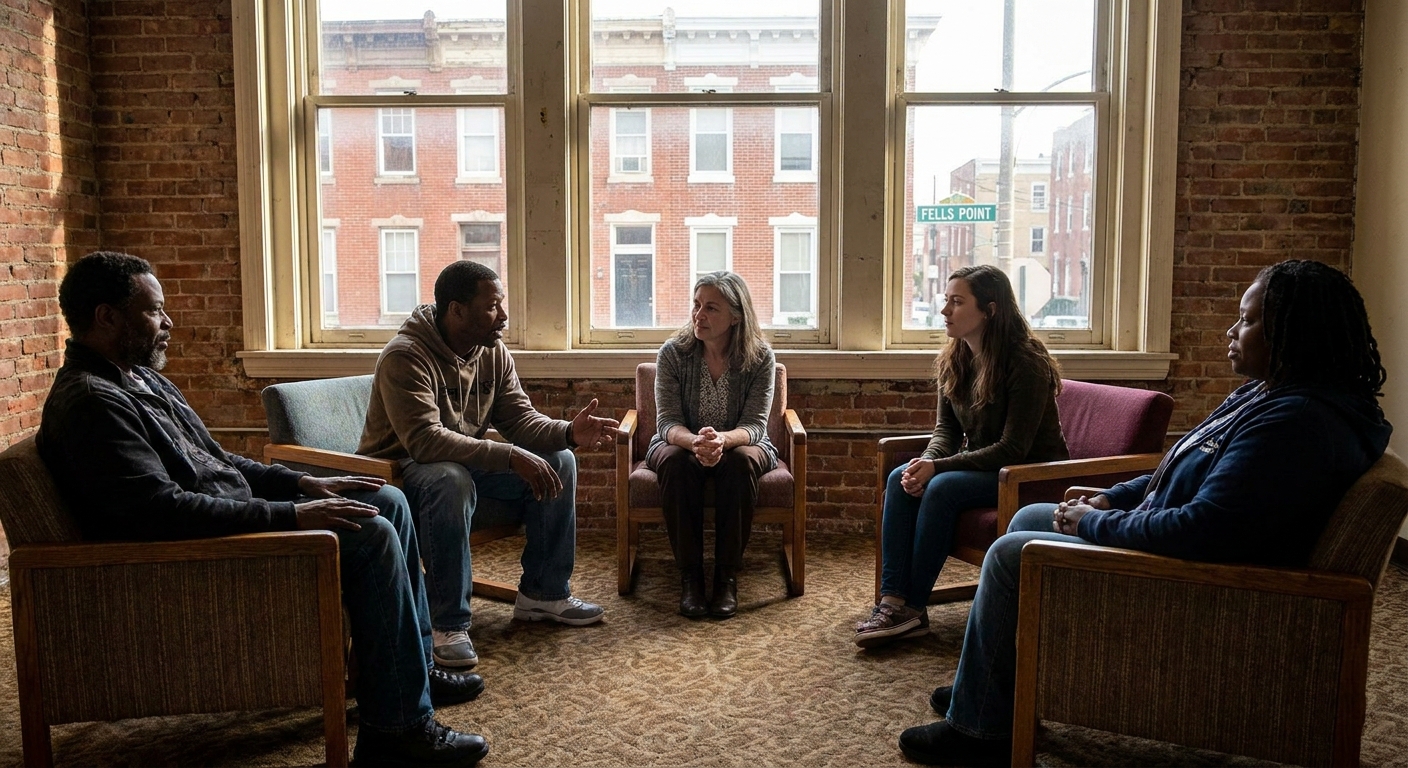

Understanding what an aftercare program really is
When you complete detox or residential rehab, you finish one phase of treatment, not the entire recovery journey. An aftercare program for addiction recovery is the structured support that picks up where intensive treatment leaves off. It helps you apply what you learned in real life, where triggers, stress, and everyday responsibilities return quickly.
Aftercare, sometimes called continuing care, is a lower intensity level of treatment that follows inpatient or intensive outpatient programs and focuses on solidifying your gains, reducing relapse risk, and supporting you as you rebuild your life in recovery [1]. This continuing care can include counseling, peer support groups, case management, sober housing, and more [2].
You may feel pressure to “do it on your own” once you leave rehab. Yet between 40% and 60% of people in recovery relapse at some point, a rate similar to other chronic illnesses like diabetes and hypertension [1]. Rather than seeing this as a failure, you can view it as evidence that ongoing, structured support is a normal and wise part of long term recovery.
Why aftercare is critical for long term sobriety
The first weeks and months after treatment are often the highest risk period for relapse. Old environments, people, and routines resurface. Relationships need repair. Work and financial pressures may feel overwhelming. Without a clear plan, it is easy to slide back into survival mode.
An aftercare program for addiction recovery helps you bridge the gap between the safe, structured setting of treatment and the unpredictability of daily life. Research on continuing care shows that longer duration support and proactive outreach lead to better abstinence outcomes over time [3]. In other words, the more you stay engaged, the more likely you are to maintain sobriety.
Aftercare also normalizes ongoing help. Addiction is often intertwined with mental health, trauma, family patterns, and stress. SAMHSA reports that about 7.7 million adults in the United States live with both a substance use disorder and a co occurring mental illness [2]. Ongoing therapy, medication management when needed, and peer support give you space to keep working on all of these areas, not just the substance use itself.
Core components of an effective aftercare program
Every program will look slightly different, but the most effective aftercare plans tend to share a few elements. These components work together to give you structure, accountability, and connection.
Ongoing individual and group therapy
Therapy remains a cornerstone of quality aftercare. Ongoing individual, group, or family counseling helps you continue addressing the psychological and relational issues that contributed to addiction in the first place [4]. You might focus on:
- Managing cravings and high risk situations
- Processing trauma or grief
- Treating depression, anxiety, or other mental health conditions
- Improving communication and boundaries in relationships
Outpatient sessions may be weekly at first, then gradually reduce as you stabilize [5]. Some people also benefit from specialized relapse prevention therapy or outpatient relapse prevention therapy for more targeted skills training.
Structured accountability and sober mentoring
Consistency is much easier when you know someone will check in on your progress. A strong aftercare program for addiction recovery often includes:
- Regular check ins with a counselor, case manager, or recovery coach
- Random or scheduled drug and alcohol testing
- Clear attendance expectations for groups and sessions
These accountability systems help you stay honest with yourself, catch warning signs early, and correct course quickly. You might also choose to work with peer recovery coaching or participate in a formal accountability program for recovery to strengthen your support.
Sober mentoring can be especially powerful. Through sober mentoring and accountability, you walk alongside someone who has already navigated early recovery and understands both the challenges and the solutions. Their role is not to police you, but to encourage you, challenge distorted thinking, and model stable recovery.
Recovery education and skill building
Education is another pillar of effective aftercare. Learning about how addiction and the brain work, why cravings appear, and what truly helps them pass builds confidence and reduces shame. Many programs offer:
- Workshops on stress and anger management
- Communication and conflict resolution skills
- Coping skills for anxiety and depression
- Healthy lifestyle and self care planning
This type of relapse prevention education reinforces what you learned in treatment and helps you adapt those tools to the specific pressures you face at home, at work, or in your community.
Peer and alumni support networks
Connecting with people who understand what you are going through reduces isolation and gives you practical ideas for staying sober. Aftercare often includes:
- Peer led groups such as 12 Step meetings or other mutual help groups
- Program based peer groups or alumni meetings
- Opportunities to mentor others once you are further along
Regular attendance at support groups, especially 12 Step programs like Alcoholics Anonymous, has been shown to increase the chances of long term sobriety by providing stability, shared experience, and nonjudgmental support [5]. Many treatment centers also offer alumni support for addiction recovery so you can stay connected with staff and peers after discharge.
Coordinated medical and medication support
For many people, recovery includes medical care such as medication assisted treatment, sleep support, or management of chronic pain and mental health conditions. Effective aftercare coordinates:
- Medical evaluations and follow up appointments
- Medication management for cravings and co occurring disorders
- Communication between your providers and your recovery team
Key components like structured medication management are often part of robust aftercare plans, especially for opioid use disorders where medications such as methadone or buprenorphine can be life saving [6].
How aftercare protects you from relapse
Relapse is often a process, not a single event. Symptoms such as isolation, skipping meetings, or romanticizing past use usually show up before you pick up a substance. An aftercare program for addiction recovery helps you recognize and respond to these warning signs.
Aftercare programs reduce relapse risk by offering ongoing support, education, and coping strategies that help you manage cravings and triggers in real time [7]. With a structured plan, you are not left trying to invent solutions in the heat of a craving. You already know who to call, what steps to take, and how to ride out the urge.
Many programs integrate relapse prevention counseling and relapse prevention workshops. These services help you:
- Identify your personal relapse warning signs
- Build detailed coping plans for specific situations
- Rehearse refusal skills and crisis responses
- Practice emotional regulation strategies before you are in distress
Continuing care research shows that interventions that actively engage you over time, use proactive follow up, and last longer tend to produce better abstinence outcomes [3]. When you stay connected, minor stumbles can be addressed quickly before they spiral into full relapse.
Recovery is often most fragile not in detox or rehab, but when life feels “back to normal.” Aftercare keeps your recovery as visible and important as any other major life commitment.
The role of family and relationship support
You do not recover in isolation. Family dynamics, partners, and close friends all influence your day to day environment. Including loved ones in your aftercare plan can significantly strengthen your foundation for sobriety.
Family therapy and education help the people around you understand addiction as a chronic condition, not a moral failing. SAMHSA highlights the value of family therapy in addiction recovery, especially as part of ongoing aftercare [8]. When your family understands what supports your recovery and what undermines it, they can respond more effectively during stressful moments.
You might engage in:
- Relapse prevention and family therapy to repair trust and build healthy communication
- Family support for relapse prevention so loved ones know how to respond to cravings or mood changes
- Educational workshops that explain boundaries, enabling, and healthy support
As your family system becomes healthier, you have fewer hidden triggers at home and more allies who support your long term goals.
Accountability systems that keep you on track
Accountability is one of the most powerful ways an aftercare program for addiction recovery strengthens you. The goal is not punishment. It is consistent, predictable support that reminds you your choices matter and that you are not alone in making them.
Strong accountability systems can include:
- Written recovery plans and commitments
- Scheduled check ins with counselors or mentors
- Attendance expectations for groups and therapy
- Random substance testing when appropriate
- Recovery contracts with family or housemates
Research on continuing care has shown that even relatively simple strategies like written contracts, appointment reminders, and small rewards for attendance can nearly double participation and improve abstinence rates at 6 and 12 months after residential treatment [3].
When you participate in a formal accountability program for recovery, you make your goals visible and measurable. Over time, this structure helps you build internal accountability. You grow more comfortable checking in with yourself honestly and adjusting your behavior before problems escalate.
Different types of aftercare and how they fit together
Aftercare is not one size fits all. Your plan should reflect the severity of your past use, your current stability, your support system, and your personal preferences. Many people use a mix of services that shift over time.
Common types of aftercare include:
- Outpatient counseling or outpatient relapse prevention therapy
- Intensive outpatient programs that meet several times per week
- Sober living homes or supported housing
- Peer support and 12 Step groups
- Telehealth or phone based check ins
Outpatient aftercare is especially common. It allows you to maintain work, school, or family responsibilities while still receiving counseling and relapse prevention support several times a week or as needed [1].
Sober living homes provide drug and alcohol free housing with expectations around sobriety, program participation, and mutual support. Studies show that residents in sober living homes are more likely to maintain abstinence, especially when programs are connected to 12 Step or similar groups [1].
If you are a veteran or a working professional, specialized programs like a relapse prevention program for veterans or relapse prevention for professionals can address career related stress, confidentiality concerns, and cultural factors that general programs may not fully understand.
Spiritual and holistic supports in aftercare
Many people find that long term recovery is easier when they tend to mind, body, and spirit together. Holistic and faith based supports can be an important part of your aftercare plan.
You might explore:
- Mindfulness, yoga, or other body based practices that reduce stress
- Nutrition and exercise plans that support brain and body healing
- Creative outlets such as art, music, or writing
- Spiritual communities or faith-based aftercare services that align with your beliefs
Holistic approaches help you build a life that feels worth protecting. Delamere notes that self care, balanced nutrition, physical activity, and mental health practices all contribute to maintaining sobriety after rehab [6]. A program that incorporates holistic relapse prevention support gives you more tools to manage stress and emotional pain without returning to substances.
Building your personal long term recovery plan
An effective aftercare program for addiction recovery is not just a list of services. It is a coordinated plan that fits your life and evolves as you grow. Many treatment providers will help you with aftercare planning for sustained recovery before you discharge, but you can also revise your plan at any point.
Consider integrating:
- Outpatient relapse prevention planning so you know which services you will attend and when
- A structured relapse prevention program that outlines daily and weekly routines for recovery
- A long-term recovery maintenance program that extends support for at least a year or more
Experts generally recommend that you remain engaged in some form of aftercare for at least one year after treatment, adjusting the intensity over time as your recovery needs change [1]. You can think of this as building your recovery in phases, not finishing it in a fixed number of days.
If you ever feel unsure where to turn, you can reach out to SAMHSA’s National Helpline at 1 800 662 HELP (4357) or use their HELP4U text service by sending your ZIP code to 435748 to find local treatment and support resources [8].
Taking the next step
You have already done something difficult by completing detox or rehab. Choosing to engage in aftercare is not a sign that you are weak or failing. It is a sign that you take your recovery seriously enough to give it the ongoing support it deserves.
As you look ahead, you can ask yourself:
- What kind of structure helps me feel safest and most stable
- Who do I want on my accountability and support team
- Which areas of my life need the most attention in the next 3 to 6 months
From there, you can work with your providers to design an aftercare plan that includes therapy, accountability, family involvement, peer and alumni support, and holistic care. By staying connected to a structured network of support, you give yourself the best chance not only to avoid relapse, but to build a meaningful, sustainable life in recovery.