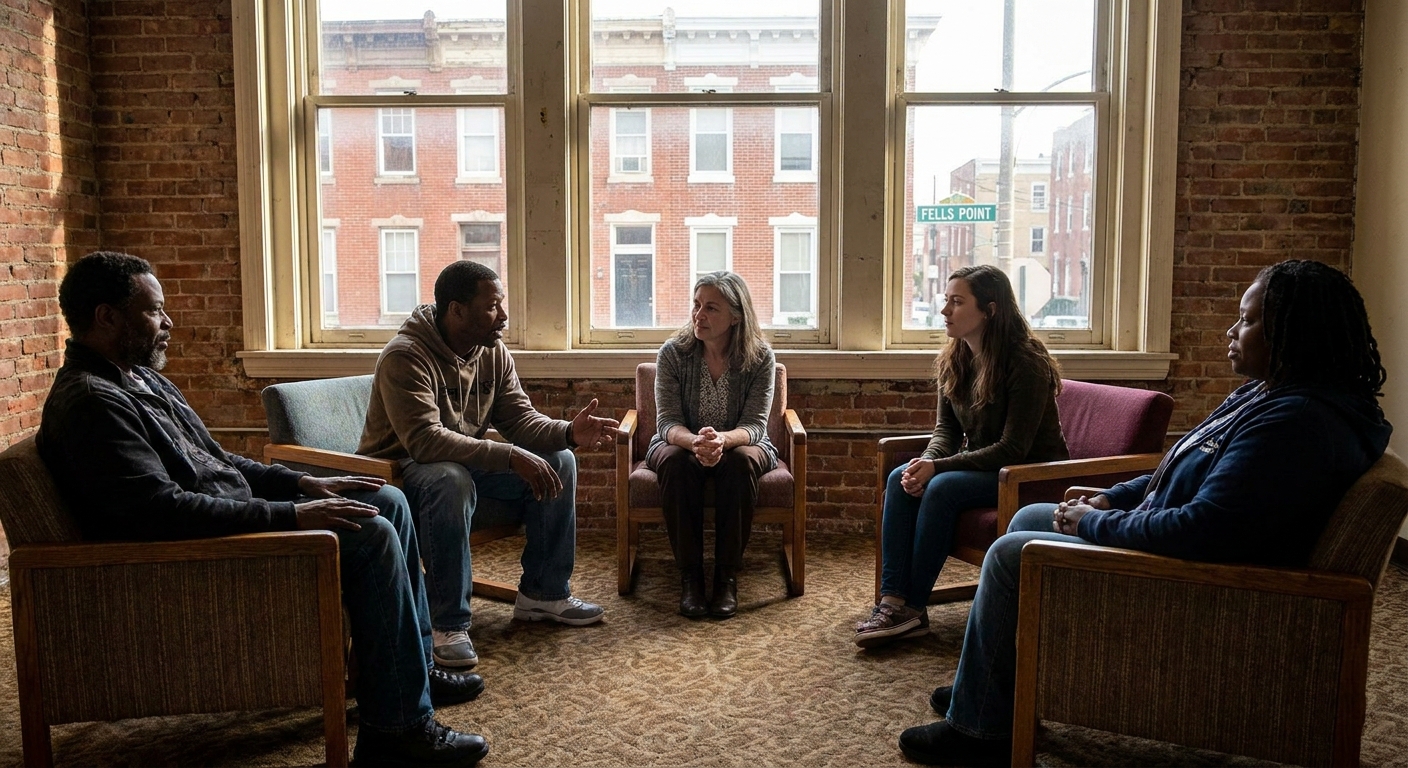

Trauma therapy for addiction recovery is a transformative approach that addresses the root experiences driving substance use, guiding you toward sustainable healing. If you’ve found that traditional recovery methods fall short of healing the wounds beneath your substance use, trauma-informed therapy can fill that gap. At 70X7 Wellness Mission, we combine evidence-based trauma therapy with spiritual guidance and holistic wellness modalities so you can engage every part of your being—mind, body and spirit. By exploring trauma therapy for addiction recovery, you’ll learn how to break the cycle of self-medication and step into a future defined by resilience and purpose.
Understanding trauma addiction link
Trauma and addiction often exist in a self-reinforcing cycle. Early adverse experiences—such as physical abuse, emotional neglect or accidents—can leave you with unresolved distress that you may unconsciously attempt to numb with substances. Over time, drugs or alcohol become your primary coping tool, making it harder to face painful memories or overwhelming emotions.
Unresolved trauma doesn’t just affect your emotions. It rewires stress-response systems in the brain, increasing cortisol and norepinephrine levels and reducing your natural ability to experience pleasure. This shift makes everyday rewards feel muted, pushing you toward substances for relief [1]. Research shows that when trauma isn’t addressed, relapse rates climb—and genuine recovery remains elusive.
Dual diagnosis treatment, which tackles co-occurring trauma and substance use, is essential because treating only one condition often leads to higher relapse risks [1]. By understanding the trauma-addiction link, you can recognize why addressing surface behaviors alone won’t ensure long-term sobriety.
Benefits of trauma therapy
When you engage in trauma-focused therapy as part of addiction recovery, you’re tackling both the symptoms and the root causes of your struggle. A systematic review published in 2024 found that trauma-informed care in substance use settings is associated with reductions in substance use, trauma symptoms and mental health distress, as well as improved treatment retention in community and residential programs [2].
Symptom reduction and retention
Trauma-informed interventions help you process painful memories safely, reducing intrusive thoughts, flashbacks or anxiety that drive substance use. As you begin to release emotional burdens, you’ll notice fewer triggers and stronger motivation to stay engaged in your recovery plan. Programs that implement a framework of ten trauma-informed domains—covering leadership, policy and environment—consistently report higher client satisfaction and lower dropout rates [2].
Building coping and resilience
Beyond symptom relief, trauma therapy equips you with new coping skills. Techniques like grounding exercises, emotional regulation strategies and cognitive restructuring teach you to navigate stress without turning to substances. Over time, these skills strengthen your resilience, enabling you to manage triggers and setbacks more effectively.
Therapy modalities at a glance
| Therapy | Description | Typical sessions |
|---|---|---|
| TF-CBT (Trauma-Focused CBT) | Helps identify and replace false beliefs, develop coping skills, express lingering emotions [3] | 8–12 |
| EMDR | Uses guided eye movements to reprocess traumatic memories, reducing nightmares and flashbacks [3] | 6–10 |
| Accelerated Resolution Therapy (ART) | “Reprograms” traumatic memories quickly, often within one to three sessions [3] | 1–3 |
| Seeking Safety | Present-focused model blending psychoeducation with coping skills to achieve safety from trauma and substance use [4] | 10 weeks |
| TAMAR | Structured ten-week intervention combining expressive therapies and education on trauma, addiction and recovery [4] | 10 weeks |
Integrating faith-informed therapy
For many, spiritual care offers an essential dimension of healing. At 70X7 Wellness Mission, our approach to faith-integrated trauma therapy weaves biblical principles, prayer and spiritual counseling into every session. You’ll explore how your faith beliefs can become a source of strength as you navigate painful recollections.
Recovery through spiritual channels nurtures hope and meaning. In group settings like our spiritual recovery and wellness program, you’ll share testimonies and reminders of grace that reinforce your sense of purpose. Private sessions with pastoral counselors allow you to unpack guilt or shame in a compassionate setting. Cultivating a spiritual foundation doesn’t replace clinical therapy; it enhances it, giving you additional tools to integrate insights and sustain change.
Employing holistic wellness modalities
Trauma-informed healing extends beyond talk therapy. Holistic practices engage your body and mind to foster balance and self-awareness—key ingredients for lasting recovery.
Mindfulness and breathwork
Mindfulness therapy teaches you to observe thoughts and sensations without judgment. By practicing meditation and breathwork in recovery, you’ll learn to anchor yourself in the present moment, reducing the intensity of trauma-related triggers. These techniques have proven effective for relapse prevention when combined with other therapies [5].
Yoga therapy
Yoga blends movement, breath and meditation to release tension held in the body. Our yoga therapy addiction recovery sessions are tailored to those overcoming trauma, guiding you through gentle postures that encourage safety and self-trust. Regular practice can lower stress hormones and promote emotional regulation.
Body-mind-spirit integration
Our body mind spirit addiction treatment model unites nutrition guidance, somatic therapies and expressive arts to help you reconnect with your physical self. Somatic approaches release trauma stored in muscle memory, while creative outlets like journaling or art therapy allow nonverbal expression of deep emotions.
By weaving these holistic modalities into your care plan, you’ll activate multiple pathways of healing that support both trauma resolution and addiction recovery [6].
Building your healing plan
Every recovery journey is unique. Your personalized plan at 70X7 Wellness Mission starts with a comprehensive assessment that evaluates your trauma history, substance use patterns and spiritual background. We collaborate with you to select a blend of clinical therapies, spiritual support and holistic modalities that align with your goals.
Considerations include:
- Trauma history and severity
- Co-occurring mental health conditions
- Faith preferences and spiritual strengths
- Physical health and lifestyle factors
You might combine EMDR with weekly spiritual counseling sessions, followed by mindfulness groups and yoga therapy. Or you may choose a christian therapy for addiction recovery track that integrates biblical study with cognitive interventions. If you need medical support during detox, our partnership with a holistic detox and recovery center ensures you receive compassionate, faith-aligned care.
Customizing your plan empowers you to take ownership of your healing. As you progress, we periodically review outcomes—such as reduced cravings, improved mood and strengthened spiritual practices—and adjust your plan for continued growth.
Finding support resources
Sustained recovery flourishes with ongoing support. In crisis moments or when you need guidance, SAMHSA’s National Helpline offers free, confidential referrals to local treatment facilities, support groups and community resources in English and Spanish, 24/7 [7].
If you’re seeking peer-driven environments, faith-based addiction recovery center networks provide sober living homes and mentoring programs grounded in spiritual values. Outpatient options like outpatient faith-based recovery allow you to integrate healing into daily life while maintaining family and work responsibilities.
For relapse prevention, explore our faith-based relapse prevention program, which combines scripture reflection, group accountability and practical coping strategies. And if you’re looking for a broad wellness approach, our holistic addiction treatment program ensures you have tools across mind, body and spirit domains.
You don’t walk this path alone. With trauma-informed therapy, spiritual care and holistic wellness modalities working in concert, you can move from surviving past pain to thriving in a life of purpose and joy. At 70X7 Wellness Mission, we’re honored to walk beside you as you reclaim your story and discover the freedom that comes from integrated healing.