
Understand PHP program basics
If you’re exploring a Partial Hospitalization Program for mental health disorders, you’ll find it offers structured day treatment that bridges the gap between inpatient care and weekly therapy. A PHP program for mental health disorders typically provides six or more hours of clinical services each day, giving you the consistency and support necessary for lasting recovery while allowing you to return home in the evenings.
What is a PHP program
- Full-day mental health care without overnight stays
- Combination of individual therapy, group sessions, and psychiatric oversight
- Focus on intensive support for moderate to severe symptoms
How PHP fits into the care continuum
- Inpatient care: 24-hour supervision and crisis stabilization [1]
- PHP: daily structured treatment, returning home at night
- Intensive Outpatient Program (IOP): part-time care, typically 3–4 hours per day
- Outpatient therapy: weekly sessions with limited hours
As a result, you maintain daily routines—work, school, family—while receiving comprehensive care.
Who benefits from PHP
- Individuals with moderate to severe depression, anxiety, or PTSD
- Those experiencing co-occurring substance use and mental health conditions
- People needing more structure than an outpatient program but less than inpatient care
Compare levels of care
Understanding how PHP compares to other levels helps you choose the right option for your needs.
Inpatient care vs PHP
Inpatient care offers around-the-clock monitoring, ideal for acute crises or safety concerns. PHP gives you significant clinical oversight during the day while preserving your independence at home.
PHP vs IOP
An intensive outpatient program for depression typically involves three hours of therapy, three to five days a week. PHP extends to six or more hours daily, offering deeper immersion and quicker symptom relief.
PHP vs residential
Residential mental health treatment program stays immerse you fully in a therapeutic environment. With PHP you live at home, applying coping strategies in real-time and receiving daily feedback from your care team.
| Feature | Inpatient | PHP | IOP | Outpatient |
|---|---|---|---|---|
| 24/7 supervision | Yes | No | No | No |
| Daily treatment hours | Up to 24 | 6+ | 3–4 | 1–2 per week |
| Home environment | No | Yes | Yes | Yes |
| Ideal for severe symptoms | Yes | Yes | Moderate | Mild |
| Typical cost | High | Moderate | Lower | Lowest |
Explore PHP structure and services
Daily schedule and therapies
A typical day in a PHP program for mental health disorders may include:
- Morning group therapy
- Medication management and psychiatric check-ins
- Individual psychotherapy sessions
- Skills training workshops (stress management, mindfulness)
- Family therapy or education
Evidence-based approaches
Your care team may use:
- Cognitive Behavioral Therapy (CBT) to challenge negative thought patterns
- Dialectical Behavior Therapy (DBT) for emotional regulation, useful in therapy program for borderline personality disorder
- Exposure and Response Prevention (ERP) for OCD treatment [2]
- Trauma-informed care and EMDR for PTSD [3]
Dual diagnosis integration
If you face both mental health symptoms and substance use challenges, a PHP for co-occurring disorders offers:
- Medication-assisted treatment
- Integrated group sessions with peers facing similar issues
- Coordination with specialists in dual diagnosis treatment for addiction and mental health
Eligibility and enrollment criteria
Clinical diagnosis requirements
You must have a documented diagnosis of a mental health or substance use disorder from a licensed professional. Common conditions include:
- Major depressive disorder
- Generalized anxiety disorder
- PTSD
- Schizophrenia
- Bipolar disorder
Medical and stability criteria
Programs require you to be medically stable and safe to return home each day. If you pose a risk to yourself or others, inpatient care may be more appropriate [4].
Commitment and active participation
Your success in PHP depends on your engagement. You must:
- Attend all scheduled sessions
- Follow treatment plans and medication regimens
- Participate fully in group and individual therapies
- Maintain a stable home environment
Specialized treatment for disorders
Depression and anxiety
For persistent sadness or worry, a PHP offers daily CBT, mindfulness training, and medication management. You can also explore our depression and anxiety treatment program for continued support after PHP.
PTSD and trauma
When trauma memories disrupt your life, trauma-informed care in PHP helps process experiences safely. Techniques like EMDR and exposure therapy promote healing. Discover more in our ptsd outpatient treatment center.
OCD and schizophrenia
ERP within PHP helps you face obsessive thoughts without ritualizing, while ongoing psychiatric support manages symptoms. Learn about our schizophrenia outpatient treatment services for specialized care.
Bipolar disorder and borderline personality disorder
Managing mood swings involves structured routines and psychoeducation in a bipolar disorder treatment program. DBT modules in PHP teach emotional regulation skills for borderline personality disorder in our outpatient program for borderline personality disorder.
Benefits of a PHP program
Intensive support and flexibility
PHP programs deliver the clinical intensity you need while letting you:
- Sleep in your own bed each night
- Practice new skills in your everyday environment
- Maintain work or family commitments
Community and peer support
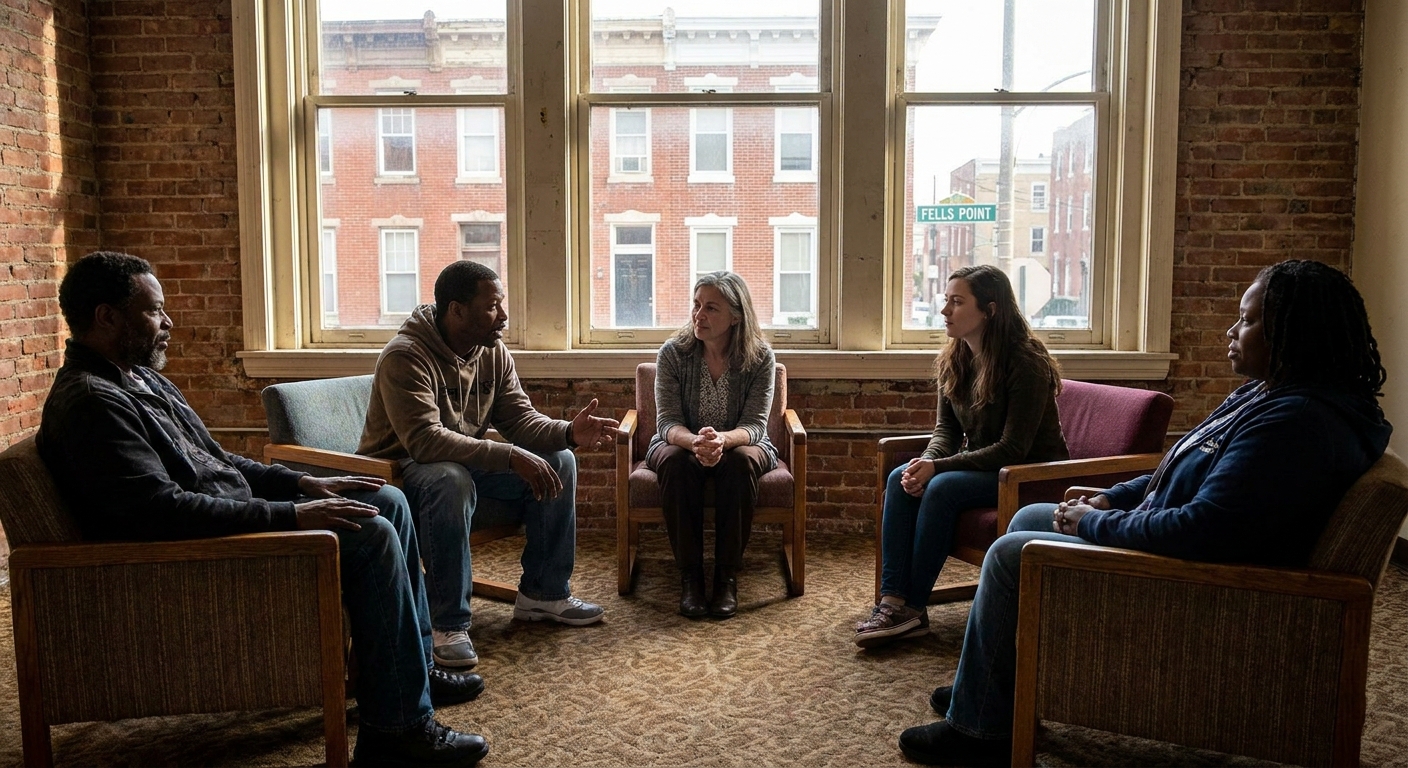
Daily group sessions foster camaraderie, reducing isolation and reinforcing accountability. This supportive environment encourages vulnerability and mutual growth.
Telehealth options
Virtual PHP services proved effective during the COVID-19 pandemic, with attendance rising from 84.5% to 89.5%, hospitalization rates dropping from 16.5% to 8.9%, and 74.3% of patients reporting condition improvement [5]. Telehealth lets you access intensive care from your living room, combining convenience with high-quality treatment.
Transitioning in and out of PHP
Preparing for PHP
Before you begin, your care team will:
- Review your medical and psychiatric history
- Establish clear treatment goals
- Confirm transportation and living arrangements
Moving to IOP or residential
As you progress, you may step down to an Intensive Outpatient Program [6] or move up to residential treatment if more structure is needed [7].
Aftercare planning
Sustainable recovery involves planning for life after PHP. Aftercare may include:
- Weekly therapy sessions
- Support groups such as 12-step or peer-led meetings
- Ongoing medication monitoring
Take the next step
Finding the right program
When choosing a Partial Hospitalization Program for mental health disorders, consider:
- Accreditation and licensure of the facility
- Specializations in your condition
- Availability of dual diagnosis care
Working with dual diagnosis specialists
If you face addiction and mental health challenges, seek programs that integrate both, such as our PHP for co-occurring disorders [8]. This ensures your treatment addresses all aspects of your health.
Resources and support
You do not have to navigate this journey alone. Speak with your primary care provider or mental health professional to explore eligibility. Reach out to local peer networks and crisis lines for guidance and encouragement.
In a PHP program you receive comprehensive care and individualized plans designed to help you move forward in your recovery journey. By choosing this structured yet flexible approach, you embrace the support necessary for lasting healing and growth.