

A sudden, unexpected injury to the brain is one of the most profoundly life-altering events a person can experience. It doesn’t just affect the body’s physical functions, like walking or speaking; it changes how a person feels, thinks, and interacts with the world. When we talk about brain trauma recovery , many people immediately think of physical therapy—relearning to use a limb or regaining coordination. However, that’s only part of the story. The journey back to a fulfilling life is deeply reliant on addressing the less visible but equally critical aspect: emotional support in rehabilitation and the specific emotional rehabilitation needs that follow the injury.
Think of your brain not just as a computer, but as the central conductor of your personal orchestra. When trauma hits, the conductor is injured. Some musicians (physical skills) might play out of tune, but the emotional core—the feeling of the music—is also fundamentally disrupted. It’s a painful realization, not just for the survivor but for their loved ones, that the person they knew might be struggling internally in ways they can’t easily express. Therefore, understanding the comprehensive rehabilitation needs after trauma becomes essential for any successful recovery plan.
The Invisible Injury Understanding Emotional Shifts
What does brain trauma actually do to a person’s emotions? The changes can be subtle, or they can be dramatically obvious. Damage to certain areas of the brain, particularly the frontal lobes and limbic system, can directly impact emotional regulation and personality. Furthermore, the sheer weight of experiencing such a major life change—losing abilities, independence, or even one’s job—can trigger significant emotional turmoil. This is why specialized post-trauma rehabilitation needs assessment is so vital; you can’t treat what you don’t recognize.
Many survivors describe a sense of being disconnected from their former selves. They might struggle with impulsivity, leading to uncharacteristic outbursts of anger or frustration, or conversely, they might withdraw completely, experiencing deep apathy. Did you know that frustration often masks grief? A person might appear angry about their inability to button a shirt, but underneath, they are grieving the loss of the ease and simplicity they once had. These deep-seated feelings require professional guidance and consistent emotional support in rehabilitation to process and manage effectively. Furthermore, family members, who often become primary caregivers, also need significant emotional support in rehabilitation themselves to navigate these changes.
Common Emotional Rehabilitation Needs After Brain Injury
A TBI survivor’s emotional landscape is often a volatile one, shifting rapidly from moment to moment. Recognizing these specific emotional rehabilitation needs is the first step toward effective intervention. We often see patterns emerge that are entirely new to the person and their family, which can strain relationships and impede progress in other therapy areas. If a person feels perpetually anxious, they will struggle to focus on the exercises in physical therapy.
Dealing with Persistent Anxiety and Fear
For many survivors, the world no longer feels safe or predictable. This often stems from the trauma itself—the sudden realization of vulnerability—and the ongoing uncertainty of their recovery path. Anxiety manifests in many ways, from generalized worry to panic attacks, and it’s a major barrier to progress. This persistent unease is one of the most pressing emotional rehabilitation needs and must be addressed with specific strategies, not just vague reassurances. Therefore, teaching practical calming techniques, such as mindful breathing or grounding exercises, becomes an important part of the brain trauma recovery plan.
Navigating the Depths of Depression and Loss
Depression is sadly a common companion to brain trauma recovery. It can be directly linked to brain changes, or it can be a reaction to the enormous losses experienced—loss of identity, independence, social life, and employment. This feeling of being stuck in a difficult reality can be overwhelming. Providing robust emotional support in rehabilitation means creating spaces where survivors can express this grief without judgment. Furthermore, it’s crucial to distinguish clinical depression, which might require medication, from situational sadness, which responds well to talk therapy and engagement.
Managing Irritability and Impulsivity
Sometimes, a change in personality is the most painful symptom for families. Increased irritability, poor impulse control, and emotional flatness are common signs of frontal lobe damage. This is a direct, neurological rehabilitation need after trauma—it’s not a character flaw. For example, a person might yell in frustration during a task they once found simple. This requires behavioral emotional rehabilitation needs strategies, environmental modifications, and immense patience and education for everyone involved. When we understand the neurological root, it shifts from blame to support.
The Role of Specialized Therapy in Brain Trauma Recovery
Successful brain trauma recovery hinges on a multidisciplinary approach. Just as physical therapy rebuilds the body, specialized psychological and cognitive therapies are essential to address the post-trauma rehabilitation needs of the emotional and cognitive brain. One type of support alone is rarely enough; the process needs to be customized to the individual’s specific injury and resulting challenges.
Psychotherapy and Counseling
Talk therapy is a cornerstone of meeting emotional rehabilitation needs. However, general counseling might not be enough. Survivors often benefit most from therapists who are specialists in neurorehabilitation. They understand how brain injury affects processing, memory, and emotional recall, allowing them to communicate in ways that are accessible and non-intimidating. They can help the survivor work through complex feelings of guilt, shame, and despair that commonly arise in the wake of trauma. Finding the right therapist is like finding the right key for a complex lock; it opens the door to genuine progress.
Cognitive-Behavioral Therapy (CBT) Adaptations
Generally, Cognitive-Behavioral Therapy concentrates on identifying negative ideas and developing methods to transform those patterns. For someone with TBI, this approach may need adaptation due to cognitive challenges. Modified CBT helps survivors link their emotions and behaviors to their injury, not a moral failing. For example, if poor planning leads to frustration, the therapist helps develop simple, external strategies (like visual checklists) to improve planning, thus reducing the frustrating outcome. This pragmatic approach directly addresses the behavioral elements of post-trauma rehabilitation needs.
Group Support and Peer Connection
One of the most powerful forms of emotional support in rehabilitation comes from others who truly “get it”. Participating in a support group with fellow survivors helps reduce feelings of isolation. When you hear someone else voice the exact fear or frustration you’ve been privately experiencing, it validates your reality. Furthermore, seeing others further along in their brain trauma recovery provides a vital sense of hope and models a path forward. It transforms the feeling of being a unique victim into the sense of being part of a community of resilient individuals.
Family and Caregiver Emotional Support in Rehabilitation
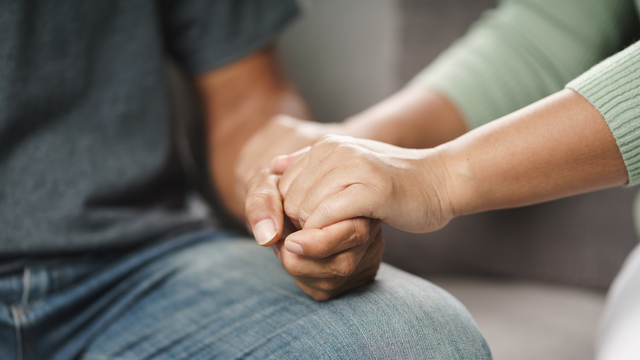 It would be a serious mistake to focus solely on the survivor’s emotional rehabilitation needs without acknowledging the immense burden placed on the family and caregivers. A severe brain trauma injury affects an entire system, not just one person. Caregivers often experience burnout, post-trauma rehabilitation needs of their own, and significant secondary emotional stress.
Recognizing Caregiver Burnout
Imagine being constantly “on call,” managing appointments, administering medication, handling emotional outbursts, and all while grieving the loss of the relationship as it once was. Caregiver burnout is real and can lead to depression, anxiety, and physical illness. Therefore, providing emotional support in rehabilitation programs for the caregiver—through respite care, counseling, and education—is not optional; it’s necessary for the long-term well-being of the whole family unit and, indirectly, for the quality of the survivor’s brain trauma recovery. The well-being of the caregiver is crucial for the success of the entire rehabilitation needs after trauma plan.
Education as a Form of Support
Knowledge is power, and when dealing with TBI, knowledge is sanity. When family members understand that their loved one’s sudden anger is a symptom of frontal lobe damage, not a personal attack, the dynamic shifts immediately. Educational programs that explain the injury, the post-trauma rehabilitation needs , and the expected emotional shifts are a vital component of emotional support in rehabilitation. This understanding helps families adjust their expectations and react with compassion instead of frustration, smoothing the path for true brain trauma recovery.
Building a Future Addressing Long-Term Rehabilitation Needs After Trauma
The process of healing is not a race with a finish line; it’s a long and winding expedition. The rehabilitation needs after trauma evolve over time. Initially, the focus is on acute physical and cognitive stabilization. Later, the focus shifts to reintegration and finding a new normal, where addressing long-term emotional rehabilitation needs becomes paramount.
Vocational and Social Reintegration
A major emotional challenge is returning to work or social life. Loss of employment can trigger financial stress and a massive loss of identity. Assisting survivors in finding adaptive work or volunteering opportunities is a key long-term post-trauma rehabilitation needs strategy. Similarly, relearning social skills, managing fatigue in group settings, and building new friendships are essential for emotional well-being. This requires ongoing emotional support in rehabilitation and community-based programs that understand the subtle complexities of TBI.
The Importance of Self-Compassion
Ultimately, the most important element in the brain trauma recovery process is the survivor’s ability to accept their new self with kindness. It is easy for survivors to fall into a trap of self-criticism, constantly comparing their current abilities to their pre-injury self. Learning self-compassion—treating themselves with the same patience and encouragement they would offer a dear friend—is a crucial, internalized emotional rehabilitation needs skill. This mental shift allows the survivor to move from mourning what was lost to building on what remains and celebrating the small, hard-won victories along the way.
Need Professional Help?
If you or a loved one is navigating the complex path of brain trauma recovery, please know you don’t have to walk it alone. We specialize in addressing the unique emotional rehabilitation needs that follow an injury and are ready to provide the compassionate, expert support you need. Contact us today to start the conversation about moving forward.
Taking Charge of Your Emotional Rehabilitation Needs
The road to brain trauma recovery is undeniable challenging, marked by ups and downs that test the resolve of the survivor and their entire support system. However, by prioritizing emotional support in rehabilitation and specifically addressing the complex emotional rehabilitation needs , a better, more fulfilling life is absolutely within reach. Remember, the brain has an incredible capacity for reorganization and healing, but it needs the right environment and the right tools. We must recognize that the mind and the heart heal together. If you or someone you care about is navigating this journey, don’t face it alone. Seek out specialists who truly understand rehabilitation needs after trauma , and build a consistent support network. Take control of the emotional side of your recovery today!