The silence that fills a room when someone stops breathing is loud. It is a heavy, suffocating weight that anyone who has witnessed an overdose knows all too well. Minutes stretch into what feels like hours, and the panic that sets in is visceral. In Baltimore, where we see the impact of the opioid crisis on our street corners and in our row homes, having a tool that can cut through that silence is necessary. That tool is naloxone, commonly known by the brand name Narcan. Using naloxone for opioid overdose situations is often the only thing standing between a terrifying emergency and a tragedy.
We are talking about a medication that acts as a bridge. It buys time when time is running out. Yet, there is still so much confusion about what it actually does, how to use it, and what happens in the moments after administration. Understanding the mechanics of naloxone for opioid overdose is not just for medical professionals anymore. It is knowledge that belongs in the hands of parents, friends, partners, and neighbors. When you carry this medication, you are carrying a second chance in your pocket.
Understanding the Science behind This Life-Saving Medication
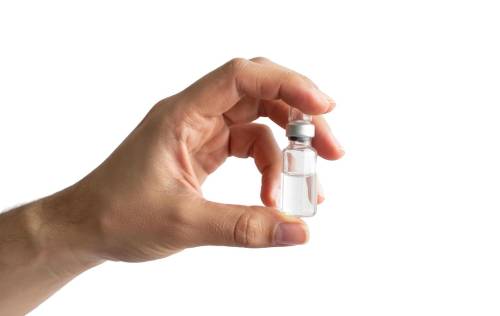 Opioids attach to specific receptors in the brain. When that key turns, it dampens pain, creates euphoria, and, if the dose is too high, slows down the body’s drive to breathe. An overdose happens when too many of these receptors are occupied, essentially telling the lungs to stop working. This is where naloxone for opioid overdose comes into play.
Naloxone has a stronger affinity for those brain receptors than heroin, fentanyl, or prescription painkillers. It kicks the opioids off the receptors and blocks them from reattaching for a short period. It is an antagonist. It does not get a person high, and it has no effect if opioids are not present in the system. The simplicity of naloxone for opioid overdose reversal is what makes it such a powerful public health tool. It focuses on one single job: restoring normal breathing to a person whose breathing has slowed or stopped.
Why Knowing How Naloxone Works Quickly Matters
Speed is the enemy of an overdose. Oxygen deprivation starts damaging the brain within minutes. People frequently ask how naloxone for opioid overdose works quickly to reverse these effects. The answer lies in its delivery method and chemical structure. Once administered, usually through a nasal spray or an injection into a muscle, the drug absorbs rapidly into the bloodstream and heads straight for the brain.
Grasping how naloxone works quickly can give a rescuer the confidence to act without hesitation. There is no time to second-guess the situation. If you suspect an overdose, you use it. The medication typically takes effect within two to three minutes. In that short window, the person may go from blue-lipped and unresponsive to breathing on their own. We emphasize how naloxone works quickly because waiting for emergency services to arrive might take ten minutes or more, which can sometimes be too long.
The Critical Window of Naloxone Overdose Timing
Timing is everything. The concept of naloxone overdose timing refers to the window you have to administer the drug and the duration it stays active in the body. Fentanyl, which has saturated the drug supply in Maryland, is incredibly potent and fast-acting. This makes naloxone overdose timing tighter than it was in the days when heroin was the primary concern.
You might have to use more than one dose. If the person does not respond within two to three minutes, you give a second dose. This is a key part of naloxone for opioid overdose timing protocols. Do not wait and hope. If they aren’t waking up or breathing normally, hit them with another dose. The medication wears off between 30 to 90 minutes after administration. Since many opioids last longer than that, there is a risk that the person could slip back into an overdose state. This creates a secondary aspect of naloxone overdose timing that requires keeping an eye on the individual until professional help takes over.
Recognizing the Signs Requiring Opioid Overdose Assistance
You cannot treat what you do not recognize. Knowing when to offer opioid overdose assistance starts with seeing the signs. It is not always like the movies where someone collapses instantly. Sometimes it is a slow fade. The person might be making gurgling or snoring sounds, which is often called the “death rattle.” Their skin might turn pale, gray, or clammy. Fingernails and lips often turn blue or purple.
Providing opioid overdose assistance means checking for responsiveness. Shout their name. Make a fist and rub your knuckles up and down the breastbone with pressure. If they do not wake up, you are in an emergency. This is the moment to call 911 and prepare the spray. Naloxone for opioid overdose laws in Maryland generally protect the person calling for help and the person overdosing from arrest for possession, meant to encourage people to act without fear of legal trouble.
Immediate Physical Responses During Opioid Overdose Reversal
What does it look like when the drug works? Opioid overdose reversal can be abrupt. It is not always a gentle waking up. Because the naloxone rips the opioids off the receptors, it sends the person into immediate withdrawal. They might wake up confused, agitated, sweating, or vomiting.
The process of observing an opioid overdose reversal is often highly stressful and taxing for the person providing aid. The person you just saved might not be happy. They might be sick. They probably won’t realize they were dead a moment ago. Preparing yourself for the reality of opioid overdose reversal helps you stay calm. You need to reassure them. Tell them what happened. Tell them they overdosed and that you gave them medication to help them breathe. Keeping them calm is almost as important as the medication itself during an opioid overdose reversal.
Exploring the Primary Fast-Acting Naloxone Benefits
The advantages of having this medication accessible are massive. The most obvious of the fast-acting naloxone benefits is survival. Dead people cannot recover. They cannot go to treatment. They cannot reconcile with families. Keeping them alive is the prerequisite for everything else.
Another one of the fast-acting naloxone benefits is the prevention of long-term brain injury. Every second the brain is starved of oxygen, cells die. By restoring respiration rapidly, you are preserving cognitive function. This is why we teach families how naloxone works quickly—to protect the person’s quality of life, not just their heartbeat.
Furthermore, fast-acting naloxone benefits the community by reducing the strain on paramedics. While you should always call 911, being able to start the rescue process before the ambulance turns the corner saves resources and lives. The empowerment it gives to loved ones is also one of the intangible fast-acting naloxone benefits. It allows families to feel less helpless in the face of addiction.
Myths and Misconceptions About The Medication
There is a lot of bad information out there. Some people worry that using naloxone for opioid overdose enables drug use. They think it acts as a safety net that encourages riskier behavior. Research does not support this. People suffering from addiction are driven by the chemistry of the brain, not by the safety net of an antidote.
Another myth is that naloxone is dangerous if the person hasn’t actually taken opioids. If someone is unconscious due to a heart issue or diabetes, and you administer naloxone for opioid overdose, it won’t hurt them. It is safe. It essentially does nothing if there are no opioids to block. This is why we always say: when in doubt, use it. The risk of doing nothing is death; the risk of using naloxone for opioid overdose incorrectly is virtually zero.
Step By Step Guide on How Naloxone Works Quickly
Let’s look closer at the administration to understand how naloxone works quickly in a practical sense. Most kits distributed in Baltimore are nasal sprays.
- Peel back the package. The device is ready to use.
- Place the tip in the nostril. You don’t need to tilt the head back extremely far, just enough to get access.
- Press the plunger firmly. The dose releases instantly.
The mucous membranes in the nose are full of blood vessels. This is how naloxone works quickly—it bypasses the digestive system and absorbs directly into the blood flow near the brain. Within moments, the chemical blockade begins. We explain how naloxone works quickly so people don’t try to perform CPR instead of medicating, or waste time looking for a pulse when they should be spraying.
Navigating the Aftermath and Withdrawal Symptoms
Once the person is breathing, the crisis shifts. We mentioned withdrawal earlier, but it deserves a deeper look. The person will likely feel terrible. Nausea, body aches, and extreme anxiety are common. This physical distress can drive someone to want to use drugs again immediately to stop the sickness. This is dangerous because the naloxone is still blocking the receptors. If they use more opioids now, they won’t feel it, leading them to use massive amounts, which can cause a second overdose once the naloxone wears off.
During this stage of the opioid overdose reversal, a patient-centered approach is necessary. Keep them talking. Keep them sitting up or on their side to prevent choking if they vomit. Emergency medical technicians are trained to handle this post-reversal agitation. Your job is to keep them safe until that opioid overdose assistance arrives.
The Role of Fentanyl in Current Overdose Trends
Fentanyl has changed the game. Because it is so strong, a single dose of the spray might not be enough. We are seeing cases where three or four doses are needed to achieve opioid overdose reversal. The potency of fentanyl binds to the receptors so tightly that it takes more naloxone to knock it off.
This reality affects naloxone overdose timing. You might see a momentary improvement, and then a regression. The half-life of fentanyl versus the half-life of naloxone is a dangerous math equation. This is why carrying multiple doses is standard advice now. Understanding naloxone overdose timing in the era of fentanyl means being prepared for a battle, not just a quick fix.
Accessibility and Barriers to Care in Baltimore
In our city, access to naloxone for opioid overdose has improved, but barriers remain. Pharmacies carry it, health departments distribute it, and organizations hand it out on the street. Yet, shame often stops people from picking it up. A mother might be afraid to have it in her purse because it admits her son has a problem. A partner might fear the police will assume they are users if they have a kit.
We have to move past this. Having naloxone for opioid overdose kits should be as normal as having a fire extinguisher in your kitchen. It is safety equipment. Breaking down these barriers allows more people to provide opioid overdose assistance when it counts. The more kits out there, the fewer flags we see at half-mast.
Comprehensive Treatment and Long-Term Recovery
Saving a life with Narcan is the first step, but it isn’t the last. It gives the person another day to find recovery. At Seventy Times Seven Wellness Mission, we often see individuals who have been revived multiple times. Each revival is a valid opportunity for change, but the trauma of the cycle takes a toll.
Located right here in Baltimore, 70×7 Wellness Mission understands that stabilization is just the beginning. The transition from the chaos of active use to the stability of recovery requires a structured environment. Reversing an overdose is only the first step; you must also provide follow-up support and resources rather than immediately returning the individual to the environment where the overdose occurred. They need housing, therapy, and a community that supports their new direction.
Why Fast-Acting Naloxone Benefits the Family Unit
Addiction is a family disease. When a family member carries a kit, they are taking an active role in their loved one’s survival. One of the fast-acting naloxone benefits is that it reduces the feeling of total powerlessness that families often feel. They cannot control the addiction, but they can control the emergency response.
Educating the family on how naloxone works quickly empowers them. It shifts the dynamic from passive fear to active preparedness. When a parent knows how naloxone works quickly, they sleep a little better knowing they have a plan. The psychological relief is one of the profound, fast-acting naloxone benefits that doesn’t get discussed enough.
Legal Protections for Those Providing Assistance
Fear of the police is a major reason people hesitate to call 911. It is vital to reiterate that Maryland’s Good Samaritan Law protects you when you seek opioid overdose assistance. You will not be arrested for drug possession or paraphernalia if you are calling to save a life. This law exists to prioritize opioid overdose reversal over criminalization. The state recognizes that a dead person cannot be rehabilitated. If you are in a position to offer opioid overdose assistance, the law is on your side. Do not let fear of legal repercussions slow you down.
Training and Community Awareness
You do not need a medical degree to save a life. Training on naloxone for opioid overdose takes about ten minutes. It is simple. Community centers and libraries across the city often host sessions. The goal is to demystify the process.
We need to normalize the conversation around naloxone overdose timing and administration. By talking about the issue more frequently, we become more comfortable and less intimidated by it. When neighbors know how naloxone works quickly, the whole block becomes safer. It creates a network of care that extends beyond the hospital walls.
The Emotional Weight of Responding to an Overdose
We have talked about the mechanics, but we must acknowledge the heart. Reversing an overdose is traumatic. Watching the life drain out of someone and then rushing to perform an opioid overdose reversal leaves a mark on the rescuer. It is adrenaline followed by a crash. If you have had to use naloxone for opioid overdose, take care of yourself afterward. Talk to someone. It is a heavy thing to hold someone’s life in your hands. Recognizing the emotional toll is part of the process. Recovery isn’t just for the person using drugs; it is for everyone involved in the struggle.
Considering the Future of Harm Reduction
As the drug supply changes, our tools must adapt. We are learning more about fast-acting naloxone benefits every day. Higher concentrations are being developed. Different delivery systems are being tested. But the core principle remains the same: keep them alive. The conversation around naloxone overdose timing will continue to evolve as synthetic opioids change. We must stay educated. We must stay vigilant. And we must remember that every time we use naloxone for opioid overdose, we are stating clearly that every life has value and is worth saving.
How to Get Help before the Emergency
You do not have to wait for an overdose to seek help. Constantly experiencing overdose reversals is a life-threatening and draining existence. There are paths out of it. Finding the right support system, as the one offered at 70×7 Wellness Mission, can break the chain. We believe in seventy times seven chances, but we want you to be healthy enough to take them.
Need Professional Help?
If you or a loved one is caught in the cycle of opioid addiction, do not wait for a crisis to make a change. Our team is ready to guide you toward a life of stability and recovery today. Reach out to us now to discuss your options.
Conclusion
The reality of the opioid crisis in Baltimore is harsh, but it is not hopeless. Tools like naloxone provide a critical defense, buying precious time when seconds count. By understanding how naloxone works quickly and recognizing the signs of an overdose, you become a vital link in the chain of survival. The concept of naloxone overdose timing is not just medical jargon; it is the difference between life and death.
Remember the fast-acting naloxone benefits: brain protection, immediate survival, and the chance for future recovery. Offering opioid overdose assistance is an act of courage and compassion. While the medication handles the physical emergency of opioid overdose reversal, the journey doesn’t end there. Real recovery takes time, support, and a safe place to heal. Carry the kit, know how to use it, and never give up on the possibility of a better tomorrow.