
Finding your footing when life feels heavy isn’t just about medicine or talking to a stranger in a white coat. For many people walking the streets of Baltimore, the struggle with a clouded mind or a physical dependency is a battle of the soul. This is exactly where faith based mental health services step in to bridge the gap between clinical science and deep, personal belief. When you combine professional care with a foundation of belief, the healing process stops being a checklist of symptoms and starts being a renewal of your entire life.
Walking through the inner city or the quiet suburbs, you’ll find that people are looking for more than a quick fix. They want a reason to keep going when things get tough. By choosing faith based mental health services and recovery options, a person isn’t just looking for a way to stop a bad habit; they are looking for a way to start a new life. This connection between our inner spirit and our mental well-being is what makes this path so different. It offers a sense of belonging that you often won’t find in a standard hospital hallway.
Why Faith Based Mental Health Services Work So Well
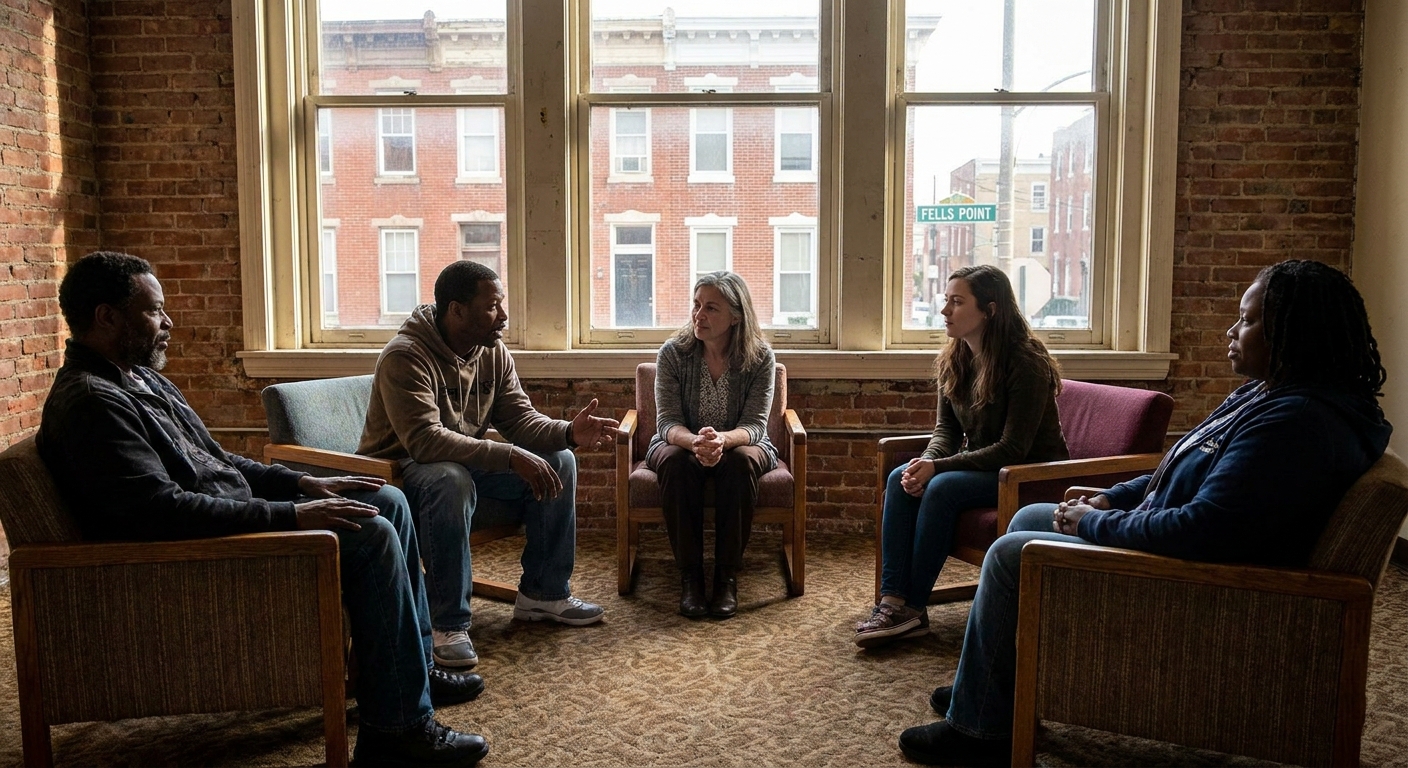
The effectiveness of these programs often comes down to the community. When someone enters into spirituality and addiction recovery, exploring faith based recovery options means they aren’t doing it alone. They are surrounded by people who share their values and understand their heart. This community support is a major reason why long term recovery becomes a reality rather than just a dream. Research, like the Baltimore Study on Faith and Smoking Cessation, shows that when people use their belief system to drive change, they move through the stages of healing much faster.
In Baltimore, the Seventy Times Seven Wellness Mission has seen how this works firsthand. When a person feels that they are part of something bigger, the weight of their past starts to lift. Integrating faith based mental health services and counseling provides a space where you can talk about your mistakes without feeling judged by the world. Instead, you are viewed through a lens of grace and potential. It changes the conversation from ‘what is wrong with you’ to ‘who were you meant to be’.
The Science behind Spirituality and Addiction Recovery
 It might surprise you to learn that science actually backs up these spiritual paths. Studies have shown that about 84% of scientific research points to belief being a massive help in staying away from substances. This is a proven reality, not just an opinion. Using faith based mental health services allows a person to use their brain and their heart at the same time. This is often called Religiously Integrated Cognitive Behavioral Therapy, or RCBT.
Practical Steps in Faith Based Counseling
- Starting each day with a moment of quiet prayer or reflection to set a positive tone.
- Joining a small group where you can share your journey with others who value belief.
- Learning to replace negative thoughts with encouraging truths from sacred texts.
- Finding a mentor who has walked this path before and can offer guided wisdom.
These steps make faith based mental health services and recovery options very practical. It isn’t just about sitting in a pew; it is about taking active steps to change how you think and act every single day. When you look at the benefits of healing through spiritual integration, you see a person who is becoming more resilient. They have a toolkit that includes both professional strategies and spiritual strength.
Finding Long Term Recovery through Community Support
One of the hardest parts of getting better is the loneliness that follows. Many secular programs end, and the person is left to figure out life on their own. However, faith based behavioral health services usually plug a person into a local church or a support group that doesn’t have an expiration date. This is why long term recovery is so much more common in these settings. The support stays even after the formal treatment is over.
The economic side of this is also pretty amazing. Faith-motivated volunteers save the country billions of dollars every year by providing these services for free or at a low cost. In cities like Baltimore, this community-led care is the backbone of many neighborhoods. When you choose faith based mental health services, you are entering a network that cares about your rent, your family, and your future, not just your chart.
How Faith Based Recovery Options Build Resilience
Resilience is the ability to bounce back when life hits you hard. We all know that life doesn’t stop being difficult just because you decided to get help. By focusing on faith based recovery options, spirituality, and addiction recovery, a person builds a foundation that can withstand the storms. They learn that their value isn’t based on their bank account or their past mistakes.
The Seventy Times Seven Wellness Mission in Baltimore emphasizes this kind of internal strength. By offering faith based mental health services and behavioral health support, they help people realize that they have a purpose. This sense of purpose is like a shield. When a person knows they are loved and have a mission in life, they are much less likely to return to old, harmful patterns. This is one of the greatest benefits of healing through spiritual integration.
Key Elements of Faith Based Behavioral Health Services
- A focus on forgiveness for yourself and for those who have hurt you.
- An emphasis on serving others as a way to find joy and perspective.
- Consistent attendance at meetings that celebrate spiritual growth.
- Direct access to faith based counseling that respects your specific beliefs.
The Role of Faith Based Counseling In Healing
Sometimes the best medicine is a conversation where you don’t have to explain yourself because the other person already knows. Traditional therapy is great, but faith based counseling adds that extra layer of understanding. It allows you to bring your whole self to the table. You don’t have to leave your beliefs at the door. For someone seeking long term recovery, being able to pray with their counselor can be a turning point.
It makes the process feel more natural and less clinical. You aren’t a patient; you are a person on a journey. Many focus groups in Baltimore have shown that people attribute their success to this kind of support. They feel that faith based mental health services treat them like a human being with a soul, which is exactly what is needed for deep change.
Understanding Faith Based Behavioral Health Services
What does “behavioral health” really mean in this context? It means looking at your habits and your choices through a spiritual lens. By using faith based recovery options, you start to see that your behaviors are often a reflection of how you feel about yourself. If you feel broken, you might act in ways that keep you broken.
If you believe you are being restored, your actions will start to match that belief. This shift is a core part of faith based mental health services. It’s about changing the heart so the hands will follow. The benefits of healing through spiritual integration show up in small ways first—maybe you start sleeping better, or you find you have more patience with your kids. Eventually, these small changes lead to a completely different life.
Why Spirituality and Addiction Recovery Go Hand In Hand
There is an old saying that there is a “God-shaped hole” in everyone. While that might sound simple, many people in long term recovery say it feels very true. They tried to fill that hole with substances or work or relationships, but nothing worked until they found a spiritual connection. This is why spirituality and addiction recovery is such a powerful combination. It fills the void that chemicals never could.
In the Baltimore area, the 70×7 Wellness Mission works to help people identify what they are truly hungering for. Often, it isn’t the substance; it’s the peace that the substance promised but couldn’t deliver. Through faith based mental health services, people find that peace in a way that is lasting and real.
The Benefits of Healing Through Spiritual Integration
When we talk about integration, we mean putting the pieces of your life back together so they fit correctly. A lot of people feel like their life is a puzzle with missing parts. The benefits of healing through spiritual integration include a sense of wholeness. You aren’t just “fixing” a problem; you are becoming a complete person.
This wholeness is what allows for long term recovery. If you only fix the symptom, the problem will just come back in a different way. But if you use faith based mental health services and recovery options to address the root, you can stay healthy for years to come. This approach is what makes faith based behavioral health services so special. They look at the physical, the mental, and the spiritual all at once.
Actionable Habits for Spiritual Wellness
- Reading a daily devotional to keep your mind focused on positive truths.
- Practicing gratitude by writing down three things you are thankful for each night.
- Volunteering at a local Baltimore food bank to help others in need.
- Setting boundaries with people who don’t respect your new path in faith based counseling.
Choosing the Right Faith Based Recovery Options
Not every program is the same, and that’s okay. Some people like a lot of structure, while others prefer a more relaxed approach. The important thing is finding faith based mental health services that resonate with your specific needs. You want a place that feels like home but also challenges you to grow.
In Baltimore, there are many paths you can take. Whether you are looking for faith based counseling, a full residential program, or other faith based recovery options, the goal remains the same: finding a way to live that honors your creator and your health. When you look at spirituality and addiction recovery, remember that it is a marathon, not a sprint. Take your time to find the right fit for your heart.
Real Stories of Long Term Recovery in Baltimore
If you walk down a busy street in our city, you are passing people who have been through the fire. You’ll see men and women who were once lost but found their way back through faith based behavioral health services. These aren’t just statistics; they are neighbors. They are the proof that long term recovery is possible for anyone, no matter how far they have fallen.
Many of these individuals point to the benefits of healing through spiritual integration as the reason they are still standing today. They didn’t just get sober; they got a new outlook on life. They started seeing their struggles as part of a story that could help someone else. This is the beauty of faith based mental health services—they turn your mess into a message of hope for others.
The Impact of Faith Based Behavioral Health Services On Families
Recovery doesn’t just happen to one person; it happens to a whole family. When a parent or a child enters into faith based recovery options, the entire home starts to change. There is more honesty, more grace, and more laughter. This is why faith based counseling often involves the whole family. It helps everyone heal from the hurt that the past caused.
By focusing on faith based mental health services, spirituality, and addiction recovery, families can find a common ground. They can pray together and support each other in ways they couldn’t before. This creates a safety net that is essential for long term recovery. When the home is a place of spiritual strength, it’s much easier for everyone to stay on the right track.
What to Expect From Faith Based Counseling
- A counselor who listens with empathy and uses spiritual wisdom to guide you.
- Sessions that might include prayer or reading together to find peace.
- A focus on how your faith can help you overcome specific daily challenges.
- A path toward long term recovery that feels personal and grounded.
Why 70×7 Wellness Mission Is Part of The Solution
In the heart of the Baltimore community, the 70×7 Wellness Mission stands as a place where people can find these faith based mental health services. They understand that the journey is hard, but they also know that it is worth it. By providing faith based recovery options, they are helping to rebuild our city one person at a time.
Their focus on spirituality and addiction recovery ensures that every person who walks through their doors is treated with the dignity they deserve. They offer faith based behavioral health services that are designed to meet you exactly where you are. Whether you are struggling with a dark cloud over your mind or a habit you can’t break, there is a place for you to find healing.
Final Thoughts on Spiritual Integration and Health
At the end of the day, your health is a gift. Taking care of your mind is just as important as taking care of your body. By choosing faith based mental health services, you are choosing a path that honors both. You are deciding that your spirit matters and that you are worth the effort it takes to get well.
The benefits of healing through spiritual integration are endless. You’ll find more peace, more joy, and more strength than you ever thought possible. If you are looking for long term recovery, don’t be afraid to lean into your belief. It might just be the very thing that saves your life. Remember that faith based counseling and a supportive community are waiting for you. You don’t have to carry the heavy things by yourself anymore.
Need Professional Help?
If you are struggling and need someone to talk to, we are here for you. Our team offers a supportive environment where your belief is respected and your healing is the priority. Call 410-624-5037 today to speak with someone who can guide you toward the right path for your unique journey. Take that first step toward a brighter future right now.
Choosing to seek help is a sign of strength, not weakness. When you look at the successful outcomes of faith based mental health services, it’s clear that this approach changes lives for the better. The Seventy Times Seven Wellness Mission in Baltimore is dedicated to helping you find that lasting peace. By embracing faith based recovery options, you are opening the door to a life filled with purpose and hope. Stay strong and know that a community of support is ready to walk alongside you every step of the way.