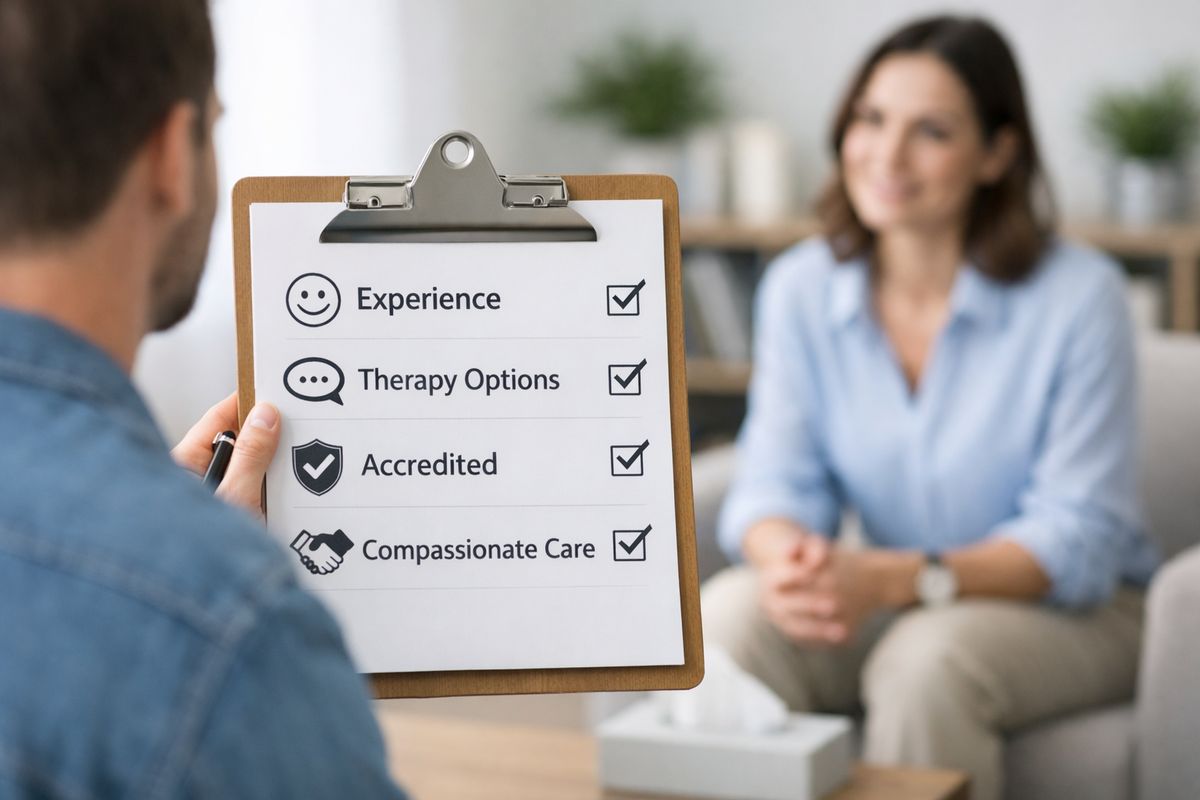

understanding christian addiction treatment
Your journey toward lasting recovery can gain strength when you integrate faith into your healing process. A Christian addiction treatment program combines traditional clinical therapies with Christian values and teachings to help you maintain your connection to a higher power throughout every step of treatment. This dual focus ensures that you address the emotional, psychological, and spiritual dimensions of addiction concurrently, rather than treating substance use in isolation.
Christian addiction treatment programs typically include prayer, devotional study, and faith-based counseling alongside evidence-based approaches such as cognitive behavioral therapy. Religiously-integrated cognitive-behavioral therapy, or RCBT, blends standard CBT methods with spiritual approaches, encouraging you to replace unhealthy thoughts with faith-rooted beliefs and coping strategies [1]. By reinforcing positive thought patterns through scripture and prayer, you develop mental resilience that supports long-term sobriety.
Inpatient Christian rehab centers offer round-the-clock care in a faith-centered environment, giving you space to build a supportive sober community with others who share your values [1]. Whether you choose a residential setting or an outpatient faith-based recovery track, you’ll benefit from structured spiritual practices integrated into daily therapy sessions. This consistent emphasis on faith can help you rediscover purpose beyond addiction and anchor you during moments of stress or doubt.
integrating trauma-informed therapy
Addiction rarely exists apart from past trauma, and addressing those wounds is essential for true healing. Trauma-informed care recognizes that your substance use may be a coping mechanism for unresolved pain. By creating an atmosphere of safety, trust, and empowerment, trauma-informed therapy helps you process painful memories without being retraumatized.
At 70X7 Wellness Mission, trauma recovery is woven into every therapeutic encounter. You’ll engage in faith-integrated trauma therapy that combines biblical principles with proven trauma modalities. Therapists trained in trauma-informed care guide you through exercises that build emotional regulation and self-compassion, such as grounding techniques, narrative rewriting, and gentle exposure to difficult memories.
Studies from a Hong Kong sample reveal that participants in Christian faith-based treatment programs demonstrated significantly higher levels of religiosity at intake, discharge, and six months post-treatment compared to those in secular programs, and this increase in faith correlated with better abstinence outcomes (Medline PMC) [2]. The dynamic growth in religious support and meaning during treatment increased the odds of abstinence by nearly 20 percent, underscoring how spiritual growth can mediate trauma and reduce relapse risk.
Grounded in these findings, your trauma work at 70X7 Wellness Mission emphasizes spiritual support alongside clinical care. Group sessions address common patterns—shame, guilt, abandonment—while individual counseling gives you private space to explore personal history. This balanced approach ensures you not only process trauma but also anchor your emerging resilience in faith.
embracing holistic wellness modalities
True recovery attends to body, mind, and spirit all at once. In addition to faith and trauma-informed therapy, you’ll access holistic wellness tools that deepen physical vitality and emotional balance. Whether you’re new to complementary practices or seeking to enrich your routine, these modalities can amplify your healing journey.
Below is a snapshot of the key holistic modalities you’ll experience:
| Modality | Focus | Benefit |
|---|---|---|
| Yoga therapy | Mind-body integration | Enhances physical awareness and reduces stress through gentle movement |
| Meditation and breathwork | Present-moment awareness | Cultivates calm, improves |
| relapse prevention skills [3] | ||
| Nutritional counseling | Whole-food, balanced diet | Supports brain health and restores energy levels |
| Body-mind-spirit addiction treatment | Integrated wellness framework | Unites spiritual practices with somatic therapies [4] |
| Holistic detox protocols | Gentle, supportive cleansing | Minimizes withdrawal discomfort and prepares you for full recovery [5] |
You might start your morning with guided meditation, then flow into yoga therapy sessions to release tension stored in your body. Nutritional plans crafted by professionals help rebalance your brain chemistry, while breathwork exercises teach you how to self-soothe when cravings arise. Altogether, these modalities reinforce the mind-body connection essential for sustainable sobriety.
nurturing spiritual community
Healing is seldom a solo undertaking. When you surround yourself with peers who share your faith journey, you tap into collective strength and accountability. A Christian addiction treatment program prioritizes creating a close-knit spiritual community where you can practice honesty, vulnerability, and mutual encouragement.
Daily chapel services, small group Bible studies, and faith-oriented support circles give you multiple avenues to connect. In these gatherings, you’ll share struggles and victories, pray for one another, and reflect on testimonies that illustrate how God’s grace can transform lives. Testimonies serve as living proof that change is possible—hearing someone recount freedom from addiction can ignite hope in your own heart [6].
Spiritual mentorship pairs you with a counselor or volunteer who walks alongside you through the highs and lows. Together, you might explore spiritual disciplines like scripture memorization, journaling, or service projects that extend beyond the treatment center. This relational component is what transforms a program into a spiritual family, ensuring that you leave with genuine connections to lean on long after discharge.
program structure and phases
Understanding the flow of treatment helps set realistic expectations and keeps you focused on milestones. Most Christian addiction treatment programs unfold in distinct phases designed to meet you where you are and progressively build skills, resilience, and spiritual depth.
- Medical detox
You begin with a medically supervised detoxification to manage withdrawal safely. Some centers, including holistic detox and recovery centers, combine medication management with nutrition and supportive therapies to ease discomfort. - Residential therapy
In an inpatient setting, you immerse yourself in daily therapy, worship services, life-skills workshops, and holistic modalities. This phase focuses on stabilization, trauma processing, and spiritual formation. - outpatient transition
Once you demonstrate early stability, you may step down to an outpatient faith-based recovery track. Here, you live at home or in a sober living environment and attend regular therapy sessions, support groups, and spiritual check-ins. - aftercare and support
Long-term recovery relies on consistent engagement with community and ongoing education. You might join alumni groups, attend faith-based relapse prevention meetings, or meet monthly with a spiritual mentor.
Some programs extend structured phases over eight months or more. For example, the U-Turn for Christ program in Perris, California requires court-appointed participants to complete at least two phases totaling a minimum of eight months [7]. This extended timeline underscores the commitment necessary for deep, lasting change.
insurance and affordability
Financing treatment can feel overwhelming, but many faith-based programs work closely with insurers and offer sliding-scale options. Under the Affordable Care Act, essential health benefits often include substance use disorder services, and Christian health insurance programs like Christian Healthcare Ministries may cover faith-based treatment [1].
Organizations such as American Addiction Centers help verify your benefits and navigate preauthorization requirements. You can also explore scholarships offered by faith networks or request payment plans directly from your chosen center. Transparent cost discussions during your intake process ensure you understand out-of-pocket expenses and available resources before you commit.
sustaining recovery and relapse prevention
Long after you leave residential care, a proactive relapse prevention plan keeps you on track. Integrating spiritual practices with clinical tools can fortify your defense against triggers and stressors that threaten sobriety.
Mindfulness and breathwork exercises provide in-the-moment coping skills, while a faith-based relapse prevention program can guide you through scripture-centered reflection on relapse warning signs. You might develop a “spiritual toolkit” that includes prayer journaling, quick scripture recitations, or contact with a sponsor.
Maintaining connections to a spiritual community through church groups or alumni gatherings encourages accountability. Continuing recovery through spiritual counseling sessions offers regular check-ins on your mental health and faith walk. Research indicates that faith-based programs show lower recidivism rates and more cost-effective outcomes than secular counterparts, possibly because they address deeper emotional and spiritual root causes of substance use [8].
Your commitment to wellness must extend beyond therapy sessions. Embrace ongoing holistic relapse prevention approaches that combine healthy lifestyle habits—sleep hygiene, balanced nutrition, regular exercise—with spiritual disciplines. Over time, these combined efforts will reinforce your sense of purpose, community, and inner peace.
conclusion
Unlocking lasting recovery in a supportive Christian addiction treatment program means more than quitting substances—it’s about healing your whole self. By merging faith-based care, trauma-informed therapy, and holistic wellness modalities, 70X7 Wellness Mission offers a path that honors every part of your journey. You’ll leave with the tools, community, and spiritual foundation necessary to embrace a life defined not by addiction but by hope, resilience, and restored purpose.