
Finding the right path to sobriety is a deeply personal journey that requires a specific environment tailored to your unique life experiences. For residents of Maryland, specialized addiction treatment provides a targeted approach that addresses the distinct biological and social pressures faced by different groups. By focusing on gender-specific care and the family unit, these programs create a higher chance of long-term success compared to generic, one-size-fits-all recovery models.
Understanding Specialized Addiction Treatment in Baltimore County
When you look at the landscape of recovery in Maryland, the shift toward niche care is driven by data. Recent reports from the Maryland Overdose Data Dashboard show that while fatal overdoses in Baltimore County decreased by 30% in 2024, the need for specialized addiction treatment remains high for those with complex home lives. Programs like the Seventy Times Seven Wellness Mission in Baltimore have become central to this movement, offering faith-integrated and trauma-informed care that speaks directly to the community’s heart.
Why Demographic Specificity Matters in Recovery
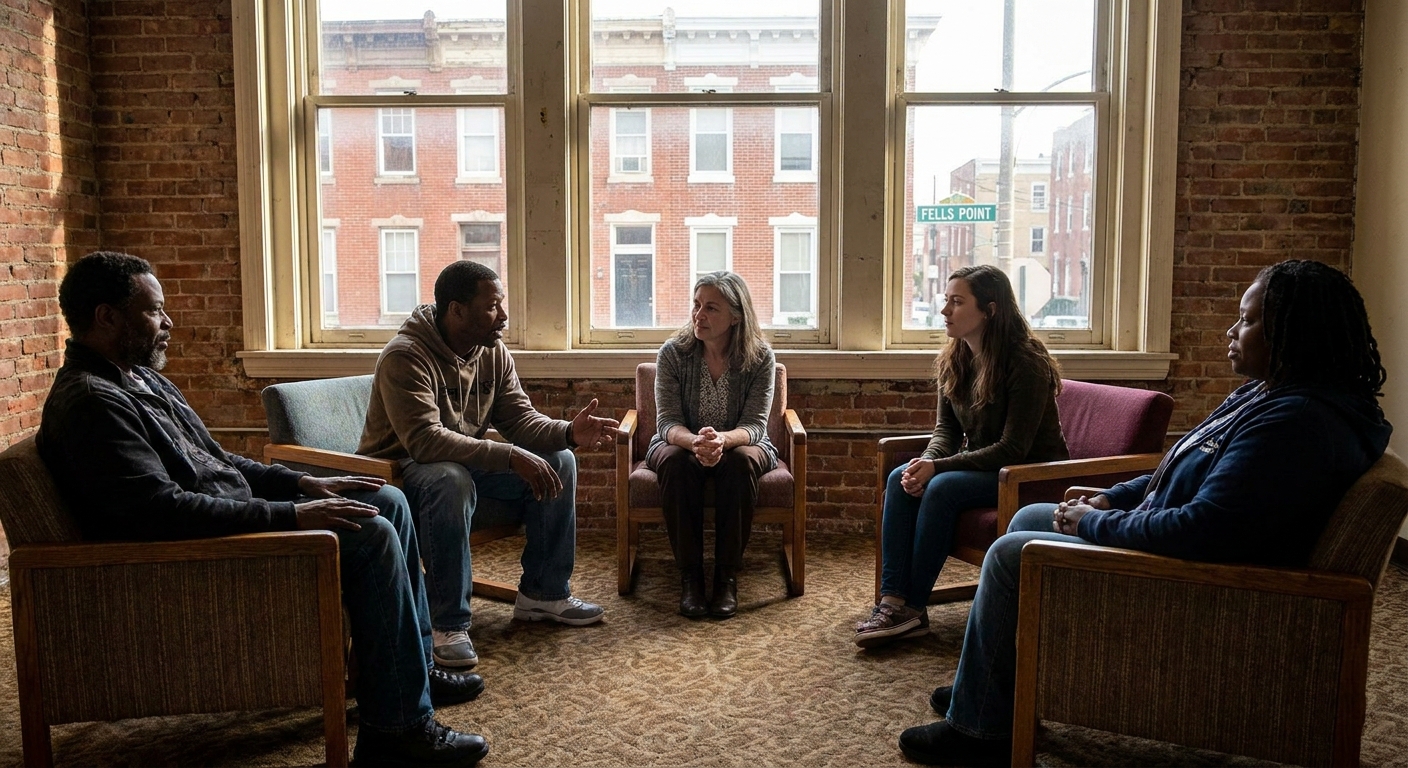
The reasons for choosing a specialized program are often rooted in the desire for a safe space. For many, being in a room with people who have lived similar lives makes it easier to open up.
- Gender-Specific Safety: Women often feel more secure discussing sensitive topics like domestic violence or pregnancy in a female-only setting.
- Cultural Competence: Programs in Baltimore County often incorporate local peer support specialists who understand the specific challenges of the region.
- Family Inclusion: Treating the individual in isolation often leads to relapse if the home environment hasn’t changed.
- Targeted Medical Care: Specialized addiction treatment in Baltimore often includes specific medical monitoring for things like reproductive health or age-related issues.
Comprehensive Addiction Treatment for Women
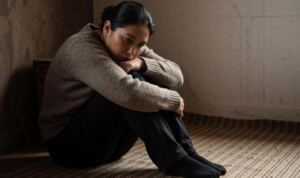 Addiction treatment for women focuses on the specific psychological and physical ways that substance use disorders affect females, often prioritizing trauma-informed care and motherhood. These programs are designed to remove the barriers that typically prevent women from seeking help, such as lack of childcare or fear of judgment. In Baltimore, these centers frequently collaborate with organizations like the House of Ruth to ensure a safety net exists for those fleeing unstable environments.
You’d be surprised how often a woman will avoid rehab simply because she doesn’t know who will watch her kids. Specialized addiction treatment for women in Baltimore County addresses this by providing “family-centered” care. This might mean the facility allows children to stay with their mothers, or they provide robust assistance with obtaining social services through the Baltimore County Department of Health.
Key Components of Female-Focused Programs
| Feature | Description |
| Trauma-Informed Therapy | Addresses past abuse and PTSD as a primary driver of substance use. |
| Prenatal & Postpartum Care | Specialized addiction treatment for pregnant individuals, often involving the Johns Hopkins CAP program. |
| Childcare Services | On-site care or referrals to help mothers focus on their clinical sessions. |
| Gender-Specific Groups | Safe spaces to discuss body image, motherhood, and relationship dynamics. |
Medical experts at the Seventy Times Seven Wellness Mission near the North Howard Street area emphasize that women often “telescope” into addiction, meaning they progress from first use to a full disorder more rapidly than men. Because of this biological reality, specialized addiction treatment must be intensive and immediate.
The Role of Addiction Treatment for Families
Addiction treatment for families is a collaborative therapeutic process that involves the patient’s loved ones to repair relationships and build a stable home support system. Rather than just focusing on the person using substances, these programs educate the family on the mechanics of the brain and how to stop enabling behaviors. In Baltimore, family-based interventions are increasingly popular as a way to lower the 49% overdose rate seen in previous years.
People often ask us if their family really needs to be involved if they are the one with the problem. The reality is that addiction is a family disease. When one person changes, the whole family dynamic must shift to accommodate that new, sober version of the individual. Addiction treatment for families provides a roadmap for this transition, ensuring that the home doesn’t become a trigger for a future relapse.
Benefits of Involving Loved Ones
- Breaking Intergenerational Cycles: Specialized addiction treatment in Baltimore often works with parents and children to ensure the “legacy” of substance use stops with the current generation.
- Improving Communication: Families learn how to speak about their needs without resorting to blame or anger.
- Establishing Boundaries: Loved ones learn how to support the person in recovery without sacrificing their own mental health.
- Creating Accountability: A family that understands the recovery process can provide the right kind of pressure to stay on track.
Accessing Specialized Addiction Treatment in Baltimore
Specialized addiction treatment in Baltimore is available through a variety of high-quality facilities that range from intensive inpatient centers to flexible outpatient clinics. These locations are often strategically placed near landmarks like the Eastern Family Resource Center or the Richards Building in Owings Mills to ensure accessibility for all county residents. Many centers, including 70×7 Wellness Mission, accept a wide range of payment options, including Medicaid and Medicare, to make sure cost isn’t a barrier.
If you are looking for specialized addiction treatment in Baltimore, it is helpful to know that the city has a deep network of “wrap-around” services. This means you aren’t just getting a therapist; you’re getting a team that helps with housing, employment, and even legal aid. The Baltimore County REACH warm line (410-887-3224) is a great first step for anyone who feels lost in the process of finding a bed.
Comparing Levels of Care in Maryland
| Level of Care | Who it is for | Average Length |
| Medical Detox | Those with severe physical dependence | 3–7 Days |
| Residential Treatment | Individuals needing 24/7 support and a safe environment | 30–90 Days |
| Intensive Outpatient (IOP) | People with a stable home who need several hours of therapy weekly | 8–12 Weeks |
| Aftercare/Sober Living | Those transitioning back to daily life who need accountability | 6–12 Months |
For those seeking specialized addiction treatment in Baltimore, the Wilson House or the Richards Building provides a structured environment that feels less like a hospital and more like a community. This sense of belonging is often the missing piece in the puzzle of addiction treatment and recovery.
Integrating Mental Health into Substance Use Care
Modern specialized addiction treatment must include “dual diagnosis” care, which treats substance use disorders and mental health conditions like depression or anxiety at the same time. Since many people in Baltimore use substances to self-medicate for untreated trauma, addressing the mind is just as important as detoxing the body. Successful addiction treatment and recovery outcomes are much higher when a psychiatrist is part of the core treatment team.
You’d be surprised how often a person’s “cravings” are actually just symptoms of unmanaged anxiety. By using evidence-based practices like Cognitive Behavioral Therapy (CBT) and Dialectical Behavior Therapy (DBT), specialized addiction treatment in Baltimore helps patients identify these patterns. Places like Seventy Times Seven Wellness Mission emphasize that mental health is the foundation upon which sobriety is built.
Common Co-occurring Disorders
- Major Depressive Disorder: Often linked to long-term opioid or alcohol use.
- Post-Traumatic Stress Disorder (PTSD): Especially prevalent in women’s addiction treatment for survivors of violence.
- Generalized Anxiety Disorder: A common trigger for those who use benzodiazepines or alcohol to “calm down.”
- Bipolar Disorder: Requires careful medication management alongside addiction treatment and recovery.
The Path Toward Addiction Treatment and Recovery
The journey of addiction treatment and recovery is not a straight line, but a continuous process of growth, learning, and occasional setbacks. True recovery goes beyond just “not using”; it involves rebuilding a life that you don’t feel the need to escape from. In Baltimore County, this often involves connecting with local sober-friendly spaces like the Undercroft or taking walks through the peaceful Rawlings Conservatory to reconnect with nature and oneself.
When people talk about specialized addiction treatment, they are really talking about hope. It’s about the person who graduates from the 8507 Program and gets their first job in years, or the mother who regains custody of her children through the help of a Baltimore-based family program. This is the “Expert” signal of success—not just a clean drug test, but a restored life.
Pillars of a Successful Recovery Plan
- Physical Wellness: Proper nutrition and sleep to repair the damage done by substances.
- Spiritual Connection: Whether through faith-based programs at 70×7 Wellness Mission or personal meditation.
- Social Support: Attending NA/AA meetings at locations like the Broadway Center for Addiction.
- Life Skills: Learning how to manage a budget, interview for jobs, and handle stress without a bottle or a pill.
Local Resources and Landmarks for Healing
Baltimore County offers a unique backdrop for specialized addiction treatment because of its mixture of urban resources and quiet, suburban retreats. Utilizing local landmarks during the recovery process can help ground a patient in their community. For example, many programs take patients to the Inner Harbor or the National Aquarium as part of “recreational therapy,” showing them that joy is possible without the use of substances.
The Seventy Times Seven Wellness Mission in Baltimore stands as a beacon for those who need a structured, mission-driven approach. Their location on North Howard Street allows easy access to the city’s transit system, making it possible for those in outpatient programs to maintain their recovery while still managing their daily commute to work or school.
Key Baltimore Contacts for Immediate Help
- REACH Help Line: 410-88-REACH (General County Support)
- Seventy Times Seven Wellness Mission: 410-624-5037 (Clinical & Housing)
- Baltimore County Crisis Response: 410-931-2214 (Emergency Intervention)
- Family Crisis Center: 410-285-4357 (Support for Domestic Situations)
Innovation in Specialized Addiction Treatment
As we move through 2026, specialized addiction treatment in Baltimore continues to evolve with new technology and methods. From the use of telehealth for rural Baltimore County residents to the implementation of “somatic” therapies that help the body release stored trauma, the field is expanding. The Maryland Department of Health’s Strategic Plan for 2025-2027 highlights a massive push toward making these advanced services available to everyone, regardless of their income level.
One of the most exciting shifts is the focus on “reentry” expertise. Many individuals seeking specialized addiction treatment in Baltimore are also navigating the legal system. Programs that partner with parole officers and the courts to reduce recidivism are seeing incredible results. This integrated approach ensures that when someone leaves treatment, they aren’t just sober—they are legally and socially stable.
Future Trends in Baltimore Recovery
- Mobile MOUD Units: Bringing medications for opioid use disorder directly into underserved neighborhoods.
- Peer-Led Recovery Houses: Expanding the number of “Oxford House” style settings across the county.
- Faith-Integrated Trauma Care: Recognizing the power of spirituality in the healing process.
- Expanded MAT Access: Increasing the availability of buprenorphine and methadone in specialized addiction treatment settings.
Overcoming Barriers to Care for Families
For many families, the fear of being judged is the toughest obstacle to starting the treatment process. However, Baltimore County has made great strides in treating addiction as a chronic health condition rather than a moral failure. By accessing specialized addiction treatment in Baltimore, families can learn to view the situation through a clinical lens, which often relieves the heavy burden of guilt that keeps people from seeking help.
People often ask us what they should do if their loved one refuses treatment. The answer usually lies in “intervention” education provided by specialized addiction treatment for families. By learning how to change their own reactions, family members can often create an environment where the individual eventually chooses to seek help on their own.
Steps to Starting the Family Healing Process
- Educate Yourself: Learn the science of addiction to remove the “why can’t they just stop?” frustration.
- Find a Support Group: Al-Anon or Nar-Anon meetings in Towson or Rosedale are great places to start.
- Consult a Professional: Call a center like Seventy Times Seven Wellness Mission to ask about family therapy options.
- Practice Self-Care: Your health is just as important as the person in active addiction.
Choosing the Best Program for Your Needs
Selecting the right specialized addiction treatment in Baltimore involves looking at the specific certifications and success rates of a facility. You want to look for “CARF Accredited” programs, which means they meet high national standards for quality. Additionally, reading “inspiring stories of recovery” from local residents can give you a better idea of what to expect from a specific center’s culture.
Whether you are looking for addiction treatment for women that includes trauma work, or a program that focuses on the whole family, the options in Baltimore County are diverse. The key is to find a place where you feel heard, respected, and understood. Specialized addiction treatment is not just about stopping a habit; it’s about starting a new chapter in a city that supports your growth.
Checklist for Evaluating a Rehab Center
- [ ] Does the center offer gender-specific programming?
- [ ] Is there a dedicated family therapist on staff?
- [ ] Do they accept your insurance or offer a sliding fee scale?
- [ ] Is the facility located in a safe, accessible part of Baltimore?
- [ ] Do they provide a clear plan for aftercare once the program ends?
Summary of Specialized Care Options
Seeking specialized addiction treatment for women and families in Baltimore County is a transformative decision that prioritizes long-term stability over a quick fix. By choosing programs like the Seventy Times Seven Wellness Mission in Baltimore, individuals gain access to a network of support that understands the specific nuances of the local community. Through a combination of trauma-informed therapy, family integration, and comprehensive mental health care, addiction treatment and recovery become achievable goals. Baltimore’s commitment to reducing overdose deaths through specialized addiction treatment in Baltimore ensures that every resident has a chance at a healthier, substance-free future.
Need Professional Help?
If you or a loved one are ready to take the next step toward a better life, professional support is just a phone call away. Our team provides the specialized care and clinical expertise needed to navigate the complexities of recovery. Do not wait for a crisis to reach out for the guidance you deserve. Please call 410-624-5037 today to speak with someone who can help.
Frequently Asked Questions
What is specialized addiction treatment?
Specialized addiction treatment is a clinical approach that tailors recovery programs to specific groups, such as women, veterans, or families. This ensures that the therapy addresses unique life experiences and barriers to care.
How much does rehab in Baltimore cost?
The cost of rehab in Maryland varies widely, with outpatient programs averaging around $1,701 and residential programs ranging from $4,000 to over $15,000. Many facilities accept Medicaid, Medicare, and private insurance to lower out-of-pocket costs.
Are there women-only rehab centers in Baltimore?
Yes, Baltimore features several gender-specific programs, including Recovery 180 and the Wilson House, which provide safe, female-only environments for addiction treatment and recovery.
Can my children stay with me during addiction treatment?
Certain specialized addiction treatment programs for women in Baltimore, like those offered through Gaudenzia or Dayspring, provide accommodations for children or robust childcare support while the mother receives care.
How do I find specialized addiction treatment in Baltimore?
You can find specialized care by calling the Baltimore County REACH line at 410-88-REACH or by contacting local mission-driven organizations like Seventy Times Seven Wellness Mission at 410-624-5037.