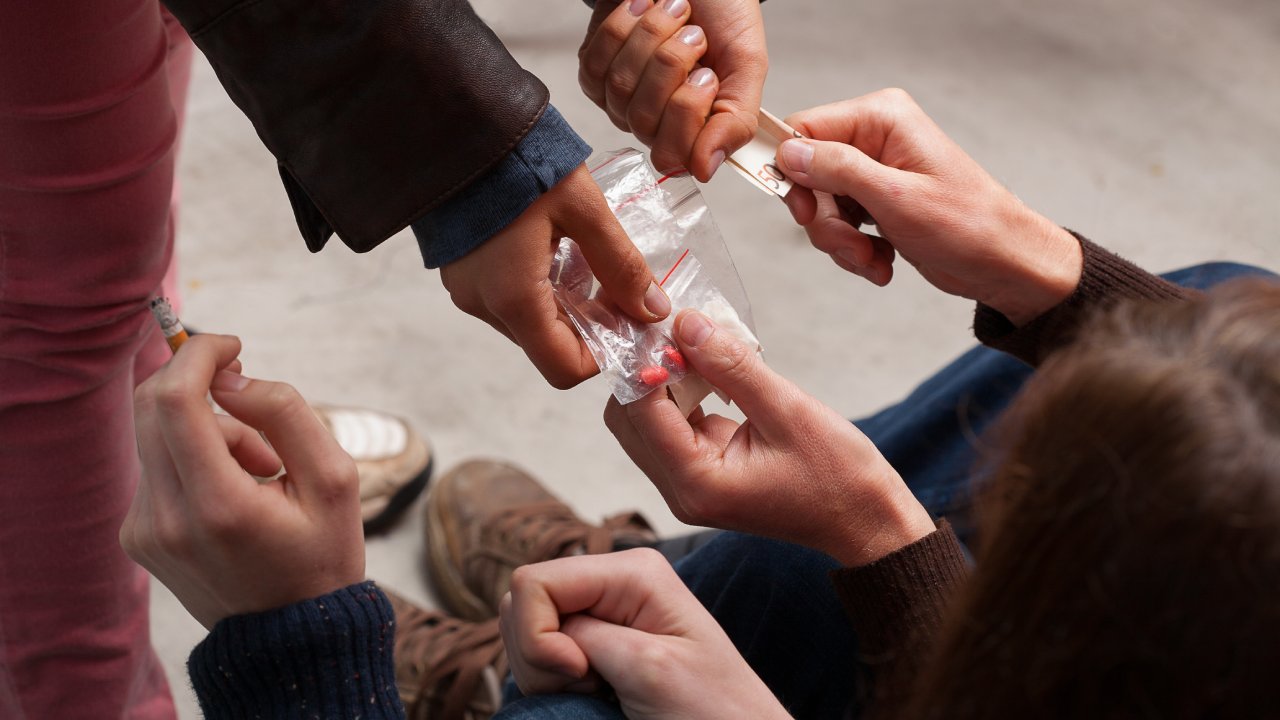
When someone enters the legal system in Maryland, they often bring their heaviest burdens with them. For many, that burden is a physical dependency on substances that doesn’t just disappear once the cell door closes. This is why jail-based opioid treatment has become such a central part of the 2026 strategic plan for Baltimore. Instead of leaving people to suffer through withdrawal alone, the city is shifting toward a model that treats addiction as the medical emergency it actually is. By focusing on jail-based opioid treatment, the community is finding ways to stop the revolving door of the justice system while keeping people alive long enough to actually find a path toward recovery.
You might wonder why the focus has shifted so heavily toward what happens behind bars. The reason is simple: the first few weeks after someone leaves a facility are the most dangerous. Without jail-based opioid treatment, a person’s tolerance for drugs drops significantly while they are locked away. When they get out and return to the same neighborhoods, using the same amount they used before can lead to immediate and tragic overdose deaths. By starting the recovery process early, Baltimore is ensuring that people have a fighting chance the moment they return to the street.
The Real Impact of Treating Opioid Addiction in Jails
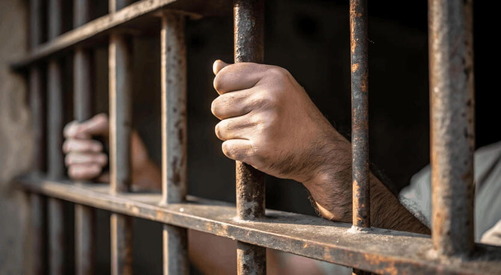 It is easy to get lost in policy talk, but for a mother waiting for her son to come home, jail-based opioid treatment is a literal lifeline. When we talk about treating opioid addiction in jails, we are talking about using proven medications like buprenorphine or methadone. These aren’t “substitutions” for a high; they are tools that stabilize the brain’s chemistry. Without this help, the cravings are so intense that most people cannot focus on anything else. By prioritizing opioid treatment in jails, the system allows individuals to participate in counseling and planning for their future.
The 2026 strategy also looks at how we can better manage drug addiction in Maryland jails by training staff to recognize that withdrawal is a medical crisis. In Baltimore, Seventy Times Seven Wellness Mission has been a voice for this kind of compassionate, evidence-based care. Their work in the Baltimore area reminds us that everyone deserves a chance to heal, regardless of where they are currently standing. When we invest in treating opioid addiction in jails, we are investing in a safer city for everyone, not just those behind the fence.
Reducing Overdose Deaths Through Better Medical Care
The statistics surrounding overdose deaths in the weeks following release are staggering. However, the data shows that jail-based opioid treatment can lower the risk of dying from an overdose by over 50 percent. That is a massive number. It represents thousands of Baltimore residents who get to stay with their families. If we provide consistent opioid treatment in Baltimore facilities, we aren’t just managing a population; we are saving lives. The 2026 plan makes it clear that reducing overdose deaths is the primary metric for success.
A huge part of this success comes from how we handle drug addiction in Maryland jails during the intake process. If a person is already on a prescription when they are arrested, they shouldn’t have to lose that progress. Starting jail-based opioid treatment right away helps people avoid the intense physical sickness that often leads to reckless choices. We have seen that when people feel supported and medically stable, the rate of violence inside the facilities goes down, and the hope for a successful life afterward goes up.
How Opioid Treatment in Baltimore is Changing Lives
For a long time, the options for opioid treatment in Baltimore were limited once a person entered the legal system. But the new strategic plan is pouring resources into making sure jail-based opioid treatment is available to every single person who needs it. This includes peer support specialists who have been through the same struggles and can talk to inmates about what life looks like on the outside. Treating opioid addiction in jails is much more effective when it is paired with a human connection and a plan for housing and work.
Many people don’t realize that drug addiction in Maryland jails often goes untreated because of a lack of funding or old-fashioned ideas about punishment. The 2026 highlights show a move toward a “health-first” model. By expanding jail-based opioid treatment, the city is acknowledging that a person in withdrawal cannot learn new skills or reflect on their mistakes. They are simply trying to survive. When we provide opioid treatment in jails, we give them the mental space to actually change their lives.
Long Term Benefits of Jail-based Opioid Treatment for the Community
When we reduce the number of overdose deaths, the entire community feels the relief. It means fewer emergency calls, fewer children entering the foster care system, and more people entering the workforce. Jail-based opioid treatment is one of the most cost-effective ways to improve public safety. Every dollar spent on treating opioid addiction in jails saves much more in future legal costs and emergency room visits. It is a smart move for the city’s budget and a kind move for the city’s soul.
The 2026 strategic plan also emphasizes that opioid treatment in Baltimore must be a bridge. It shouldn’t end when the person walks out of the jail doors. The goal is to connect every person who received jail-based opioid treatment with a local clinic. This is where organizations like 70×7 Wellness Mission in Baltimore come into play, offering the kind of ongoing support that keeps people on the right path. Managing drug addiction in Maryland jails is only half the battle; the other half is making sure there is a hand to hold on the outside.
Understanding the Dangers of Drug Addiction in Maryland Jails
Living with drug addiction in Maryland jails is an uphill climb. The environment is stressful, and the temptation to use whatever might be available is always there. This is why jail-based opioid treatment is so necessary. It takes away the physical desperation. When a person is receiving opioid treatment in jails, they are less likely to seek out dangerous, smuggled substances that often lead to overdose deaths inside the facility itself.
We have to be honest about the fact that drug addiction in Maryland jails doesn’t just disappear because someone is in a cell. If we don’t offer jail-based opioid treatment, we are essentially waiting for them to fail. The 2026 plan is about setting people up to succeed. By focusing on treating opioid addiction in jails, we are telling our neighbors that their lives have value and that we want them to come home healthy.
How the Community Benefits from Opioid Treatment in Jails
You might ask how this helps you if you’ve never been to jail. The answer lies in the reduction of crime and the stability of our neighborhoods. When jail-based opioid treatment is successful, the chance of someone being arrested again drops by about 12 percent. That means fewer victims of crime and a more peaceful Baltimore. When we prioritize treating opioid addiction in jails, we are lowering the burden on our police and our courts.
Moreover, the effort to stop overdose deaths helps heal the collective grief of our city. Almost everyone in Baltimore knows someone who has been affected by this crisis. By making jail-based opioid treatment a cornerstone of the 2026 strategic plan, the city is taking a stand against a cycle of pain. Opioid treatment in jails is a tool for social justice, ensuring that the most vulnerable among us aren’t forgotten.
The Science Behind Treating Opioid Addiction in Jails
Science tells us that addiction changes the brain. It isn’t a lack of willpower; it is a physical rewiring. This is why jail-based opioid treatment is so much more effective than “tough love.” When someone is treating opioid addiction in jails with the help of medical professionals, they are using medicine to repair those neural pathways. The 2026 plan leans heavily on this medical reality. Providing opioid treatment in jails isn’t about being “soft” on crime; it is about using medicine to solve a medical problem.
In our local area, the 70×7 Wellness Mission has seen how this medical approach changes the landscape for Baltimore residents. When a person receives jail-based opioid treatment, they are 56% less likely to die from any cause in the months following their release. That is a massive shift in life expectancy for a group of people who have been historically overlooked. We are finally seeing that opioid treatment in Baltimore works best when it starts as early as possible.
Moving Toward a Future Without Overdose Deaths
Imagine a Baltimore where the news isn’t filled with stories of young people lost to drugs. That is the vision behind the 2026 strategic plan. By integrating jail-based opioid treatment into the very fabric of our justice system, we are moving toward that future. Treating opioid addiction in jails is a primary pillar of this hope. Every time a person receives opioid treatment in jails, we are one step closer to a city that values recovery over punishment.
The struggle with drug addiction in Maryland jails has been long and difficult. But with the expansion of jail-based opioid treatment, we are seeing light at the end of the tunnel. It takes a lot of work to coordinate these programs, but the payoff is a healthier, safer community. When we talk about opioid treatment in Baltimore, we are talking about a city that cares enough to change its ways to save its people.
Steps to Success for Opioid Treatment in Jails
What does a successful program look like? First, it involves screening every person who enters the facility for drug addiction in Maryland jails. Second, it means starting jail-based opioid treatment immediately for those who qualify. Third, it requires counseling and discharge planning. This ensures that the progress made while treating opioid addiction in jails isn’t lost during the transition back to the community.
The 2026 plan highlights the need for more medical staff who specialize in this field. By increasing the number of professionals focused on opioid treatment in jails, the city can provide more personalized care. This isn’t a one-size-fits-all situation. Some people might need different medications or different types of therapy. Jail-based opioid treatment must be flexible enough to meet the needs of every individual.
Why Every Baltimore Resident Should Care About This Plan
It is easy to think that drug addiction in Maryland jails is someone else’s problem. But the truth is that our city is a small place. The people who are receiving jail-based opioid treatment today are our neighbors, our coworkers, and our family members tomorrow. When we support treating opioid addiction in jails, we are supporting the health of our entire community. The 2026 plan is a roadmap for a better Baltimore, and opioid treatment in jails is one of its most important routes.
By focusing on reducing overdose deaths, we are making our streets safer for everyone. When people aren’t driven by the desperate need to avoid withdrawal, they don’t have to resort to desperate measures. Jail-based opioid treatment provides a foundation of stability. It is the first step toward a life of purpose and contribution. We should all be proud that Baltimore is leading the way in providing comprehensive opioid treatment in jails.
Bridging the Gap with Jail-based Opioid Treatment
The transition from a cell to the sidewalk is often where the system fails. However, with the 2026 highlights, the city is building a bridge. By starting jail-based opioid treatment while someone is still incarcerated, we are giving them a head start. They aren’t starting from zero when they get out. Treating opioid addiction in jails allows them to leave with a clear head and a prescription in hand. This continuity is the best defense we have against overdose deaths.
The work of 70×7 Wellness Mission in the Baltimore area serves as a reminder that the journey doesn’t end at release. Their support for those who have experienced drug addiction in Maryland jails is a vital part of the puzzle. When jail-based opioid treatment is followed by strong community support, the results are life-changing. We are seeing a new era of opioid treatment in Baltimore, one that focuses on the whole person and their long-term success.
Need Professional Help?
If you or someone you love is struggling with addiction or facing the challenges of the legal system, you don’t have to navigate this alone. We provide compassionate, expert guidance to help you find the right path toward a healthy and stable life. Reach out to our team today to learn about the treatment options available in your community. Let us help you take the first step toward a brighter, substance-free future.
Conclusion
When we look at the big picture, the transition from drug addiction in Maryland jails to a life of freedom is a massive hurdle. However, the data proves that jail based opioid treatment is the most effective way to lower the risk of overdose deaths during this time. By providing opioid treatment in jails, we are giving people the medical support they need to stay safe. Whether you are seeking opioid treatment in Baltimore for yourself or a family member, remember that help is available and recovery is possible. Let’s continue to work toward a city where jail based opioid treatment is a standard part of our commitment to saving lives.
Sources: