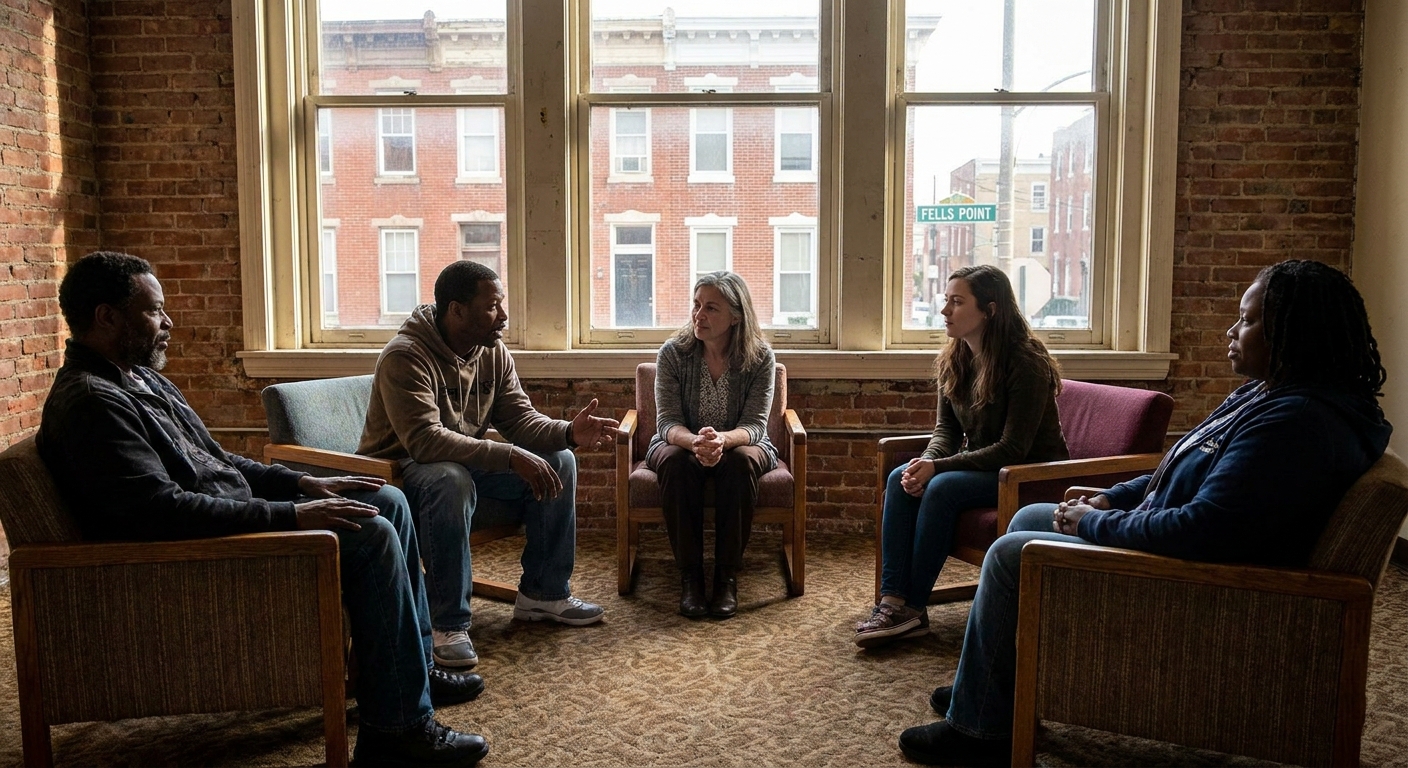

Your journey at an anxiety and addiction recovery center begins with understanding how your mental health and substance use interact. When you face both anxiety and addiction, you need a program that delivers personalized psychiatric care, integrated therapy, and relapse prevention. In an effective dual diagnosis program you receive medically supervised detoxification, cognitive and behavioral therapies, medication support, and long-term aftercare all under one roof.
Leading providers like the Hazelden Betty Ford Foundation deliver tailored inpatient and outpatient care, including Partial Hospitalization Programs (PHP) designed for co-occurring needs [1]. American Addiction Centers emphasize evidence-based practices—such as motivational interviewing and medication-assisted detox—to address both substance use and mental health challenges [2]. You’ll find that programs combining psychiatric stabilization with trauma-informed therapy yield better outcomes and a more sustainable path to wellness.
Understand co-occurring disorders
When you’re living with anxiety and addiction, it helps to recognize that these conditions often feed one another. Nearly 43 percent of people with a substance use disorder also experience symptoms of depression or anxiety [3]. Ignoring one aspect of your health can undermine progress in the other.
Key features of co-occurring disorder recovery include:
- Simultaneous assessment of substance use and mental health symptoms
- A diagnosis from a psychiatric professional
- Personalized treatment plans that integrate therapy and medication
By choosing a dual diagnosis treatment program, you ensure that your care team addresses both your anxiety and addiction in a coordinated way. This integrated approach helps you develop coping skills for anxiety triggers while reducing the risk of relapse.
Evaluate treatment modalities
A comprehensive recovery center offers multiple treatment modalities. You’ll typically see three core components:
Psychiatric stabilization
Before you begin intensive therapy, your team focuses on safely managing withdrawal and acute anxiety symptoms. This may involve:
- Medically supervised detox
- Short-term use of medications like clonidine or propranolol to ease anxiety during withdrawal [3]
- 24-hour monitoring by nurses and psychiatrists
Stable psychiatric care lays the groundwork for effective therapy and prevents crises that could derail your progress.
Therapeutic approaches
Therapy is the heart of sustained recovery. Integrated therapy for mental health and addiction draws from multiple modalities to fit your needs:
Cognitive behavioral therapy
You learn to identify and challenge distorted thought patterns that fuel anxiety and substance use. CBT equips you with practical coping strategies to manage cravings and worry.
Dialectical behavior therapy
DBT builds skills in emotional regulation, distress tolerance, interpersonal effectiveness, and mindfulness. These tools help you navigate anxiety without turning to substances.
Trauma-informed therapy
If trauma underlies your anxiety or addiction, trauma therapy integrated with addiction care ensures you feel safe as you work through painful memories. This approach acknowledges the impact of past events on your current health and recovery journey [4].
Medication-assisted treatment
Medications play a key role in evidence-based co-occurring disorder rehab. For opioid or alcohol use disorders you may receive:
- Methadone, buprenorphine, or naltrexone to reduce cravings
- Benzodiazepines or anticonvulsants during detox to prevent seizures [2]
- Antidepressants or anti-anxiety medications for ongoing symptom management
When you combine medication-assisted treatment with therapy, you increase your chances of sticking with recovery and reducing relapse risk.
Explore care settings
You can receive integrated care in different levels of intensity depending on your needs and schedule.
Partial hospitalization programs
A dual diagnosis php program provides structured days of therapy and medical support while you return home in the evenings. PHP bridges the gap between inpatient and outpatient care, ensuring you have stability and supervision when anxiety or cravings are high.
Intensive outpatient programs
With an co-occurring disorder iop program, you attend therapy sessions several times a week but maintain work or family responsibilities. IOP offers:
- Group therapy
- Individual counseling
- Skills workshops
IOP is ideal once you’ve stabilized on medication and learned initial coping techniques.
Outpatient therapy
For long-term mental health support, outpatient therapy for mental health recovery (/outpatient-therapy-for-mental-health-recovery) lets you work one-on-one with a therapist. You can address ongoing anxiety management, relapse prevention planning, and life transitions without daily program requirements.
Strengthen relapse prevention
Recovery doesn’t end when formal treatment does. You’ll build a relapse prevention plan that includes:
Aftercare programs
After you complete inpatient or PHP care, long-term dual diagnosis support (/long-term-dual-diagnosis-support) keeps you connected to clinicians and peers. Regular check-ins, medication management, and booster therapy sessions reinforce your skills.
12-step groups and peer support
Groups like Anxiety and Depression Anonymous or traditional 12-step fellowships offer community and accountability. You learn from others who have walked a similar path and share strategies for coping with cravings and anxiety.
Integrate holistic supports
Holistic elements round out clinical care and address your whole person.
Family involvement
Family therapy and education help your loved ones understand anxiety and addiction. Involving family builds a support network that holds you accountable and reinforces healthy routines.
Faith-based treatment
If spirituality is important to you, faith-based dual diagnosis treatment (/faith-based-dual-diagnosis-treatment) incorporates religious values, prayer, or meditation into your therapy. This dimension can add meaning and motivation to your recovery.
Choose the right center
When you evaluate programs, consider these factors:
Accreditation and credentials
Look for centers accredited by the Commission on Accreditation of Rehabilitation Facilities (CARF). Accreditation signals adherence to national quality standards and the involvement of medically trained staff [5]. You’ll also want psychiatric care during addiction recovery (/psychiatric-care-during-addiction-recovery) for seamless medication management.
Specialized programming
Centers with targeted tracks can address your unique needs. Examples include:
- PTSD and addiction recovery program (/ptsd-and-addiction-recovery-program)
- Bipolar disorder and substance use treatment (/bipolar-disorder-and-substance-use-treatment)
- Borderline personality and addiction program (/borderline-personality-and-addiction-program)
- OCD and substance use treatment (/ocd-and-substance-use-treatment)
- Schizoaffective disorder and addiction care (/schizoaffective-disorder-and-addiction-care)
- Depression and addiction therapy program (/depression-and-addiction-therapy-program)
Specialized programming ensures your treatment plan reflects your diagnosis, life history, and recovery goals.
Access virtual support
Telehealth addiction treatment and mental health services expand access to care. Virtual options can include:
- Online individual and group therapy
- Medication management visits
- Remote support groups
You also have 24/7 access to crisis lines like the 988 Suicide & Crisis Lifeline provided by SAMHSA [6], and the Disaster Distress Helpline for trauma-related counseling. These resources serve as vital safety nets between appointments.
Review outcomes and data
Understanding program effectiveness helps you make informed choices.
Success rates
Relapse rates for substance use mirror those of other chronic diseases at 40–60 percent during recovery [5]. Knowing relapse is common normalizes setbacks and encourages you to stay engaged in aftercare.
Funding and resources
Federal investments support recovery infrastructure and housing:
SAMHSA grants
In FY 2025 SAMHSA awarded more than $1.5 billion in continuation funding for State and Tribal Opioid Response grants, plus over $45 million for sober housing targeted at young adults [6].
These resources ensure that high-quality, evidence-based care is available across the country and reinforce the stability of community-based programs.
By understanding co-occurring disorders, evaluating treatment modalities, exploring care settings, and integrating holistic supports, you take an active role in your recovery. Choosing an accredited anxiety and addiction recovery center with specialized dual diagnosis tracks, robust aftercare, and virtual options sets you on a path to lasting wellness. With clear data on outcomes and ample funding, you can be confident that integrated treatment offers the best chance to manage both anxiety and addiction together.