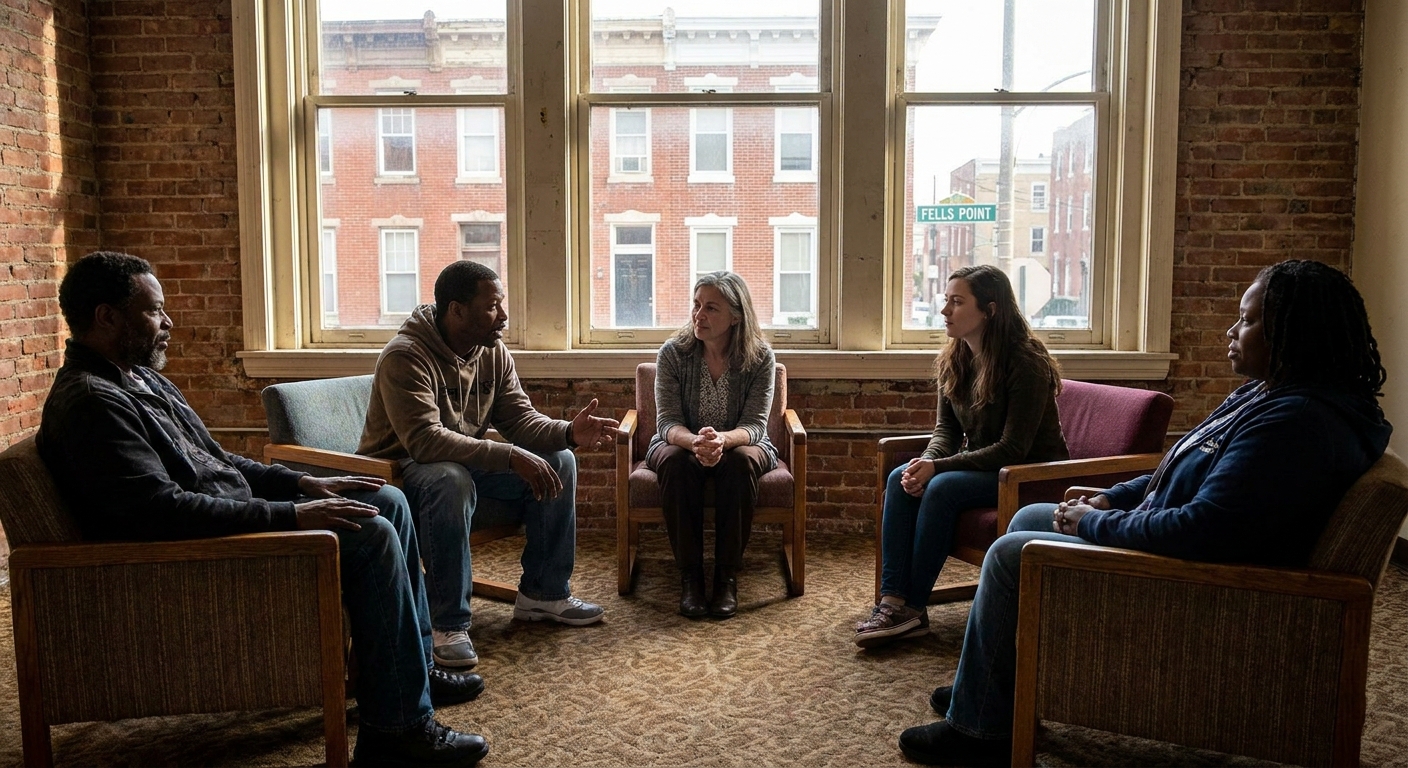

If you or a loved one is facing the challenges of co-occurring mental health and substance use disorders, taking the first step toward recovery is a profound act of courage. This common combination, often called dual diagnosis, requires specialized, coordinated care. In your search for help in Maryland, you will find that choosing one of the many residential dual diagnosis centers in Baltimore is a critical decision. You need a program that addresses both conditions simultaneously, not one after the other.
To get successful results, you need a center that offers Integrated dual diagnosis treatment programs
A successful journey begins with asking the right questions. Your primary goal is finding the right dual diagnosis facility—one that provides expert, compassionate, and truly integrated care. This long-form guide provides five essential questions about dual diagnosis centers you must ask to evaluate your options and find the best fit in the Baltimore area.
Question 1: How Are the Mental Health and Substance Use Disorders Truly Integrated?
 The single most important factor when looking for a residential dual diagnosis center in Baltimore is the approach to treatment. Many facilities say they treat co-occurring disorders, but often they operate in parallel—a separate mental health therapist and a separate addiction counselor who rarely communicate. This siloed approach is ineffective because the disorders constantly influence each other. Additionally, consider how many residential dual diagnosis centers in Baltimore offer a truly integrated model.
Researching residential dual diagnosis centers in Baltimore can help you find the most suitable treatment options.
- What to Ask: “Can you describe how your clinical team coordinates care for a client with a co-occurring disorder? Will the same primary therapist address both my anxiety and my substance use in the same session, or will I see different specialists for each?”
- What to Look For: The answer should clearly explain a unified approach. A genuine Baltimore dual diagnosis facility uses a single treatment team—including psychiatrists, licensed clinical social workers, and addiction specialists—who meet regularly and create one cohesive treatment plan. This team should understand that using substances may be a way to manage untreated mental health symptoms, and vice versa.
- The Integrated Difference: Look for evidence-based practices used together, such as Cognitive Behavioral Therapy (CBT) or Dialectical Behavior Therapy (DBT), tailored to address both conditions simultaneously. This avoids the risk of one condition triggering the other. When reviewing residential dual diagnosis centers in Baltimore, prioritize those where this integrated model is standard, not an add-on.
Question 2: What Are the Specific Qualifications and Staff-to-Client Ratios?
The people providing your care are the backbone of any recovery program. Their expertise and availability directly impact the quality of your experience and your potential for long-term success. It is crucial to vet the credentials of the clinical staff at any Baltimore dual diagnosis facility.
High-quality residential dual diagnosis centers in Baltimore often have robust qualifications for their staff.
-
- What to Ask: “What are the credentials of the professionals who will provide my individual and group therapy? What is the client-to-clinician ratio for individual therapy sessions?”
- What to Look For: Qualified staff should hold specific licenses and certifications relevant to both mental health and addiction treatment, such as Licensed Clinical Professional Counselors (LCPC), Licensed Clinical Alcohol and Drug Counselors (LCADC), and board-certified addiction psychiatrists. For example, a quality center offering Integrated dual diagnosis treatment programs should have staff trained in trauma-informed care, as trauma often underlies both conditions. A lower client-to-clinician ratio often means more personalized attention, a key ingredient for success when finding the right dual diagnosis facility. You deserve a dedicated amount of time with your primary therapist each week.
- A Note on Program Size: When researching residential dual diagnosis centers in Baltimore, consider the overall size of the program. Smaller, more intimate settings can sometimes allow for greater staff focus and a stronger sense of community, which helps patients feel safer and more supported in their vulnerable journey. We have seen firsthand at a quality center like Seventy Times Seven Wellness Mission that individualized attention makes a real difference in long-term outcomes for those living in or near Baltimore.
When evaluating residential dual diagnosis centers in Baltimore, program size can influence the level of individualized care.
Question 3: What Does Your Continuum of Care and Aftercare Planning Look Like?
Treatment does not end the day you leave a residential dual diagnosis center in Baltimore. Recovery is a continuous process. A superior facility will not only treat the immediate crisis but also equip you with a plan for continued sobriety and wellness long after you complete the residential phase. This plan, known as the continuum of care, is a major differentiating factor when finding the right dual diagnosis facility.
Ensure there is a comprehensive plan at residential dual diagnosis centers in Baltimore for ongoing support.
- What to Ask: “How does your facility transition clients out of residential care? What specific services—like outpatient, sober living referrals, or alumni programs—do you offer to support long-term recovery?”
- What to Look For: A strong aftercare plan is detailed and personalized. It should include:
- Step-Down Options: Referrals or direct transfer to lower levels of care, such as Partial Hospitalization Programs (PHP) or Intensive Outpatient Programs (IOP).
- Relapse Prevention: Concrete, written strategies to manage triggers and a plan for what to do if a slip occurs.
- Community Resources: Connections to local Baltimore support groups, mental health providers, and peer support networks.
- Ongoing Support: Many excellent Integrated dual diagnosis treatment programs include a free alumni network or regular check-ins, recognizing that support is a permanent need. Asking these questions about dual diagnosis centers ensures you won’t be left alone after discharge.
Question 4: How Do You Handle Psychiatric and Medication Management Needs?
For individuals seeking help in residential dual diagnosis centers in Baltimore, medication management is a frequent and crucial component of care. Mental health conditions like depression, bipolar disorder, or anxiety often require psychiatric medication to stabilize symptoms, particularly in the initial phases of recovery. It is vital to confirm that the facility provides expert, in-house psychiatric care.
Inquiring specifically about residential dual diagnosis centers in Baltimore can clarify medication management protocols.
- What to Ask: “Is a psychiatrist or medical doctor on-site or readily available for regular sessions? How often will my medication protocol be reviewed and adjusted by a specialist?”
- What to Look For: The facility should have a clear protocol for psychiatric evaluation and medication management, ideally led by a board-certified addiction psychiatrist or a psychiatric nurse practitioner who specializes in co-occurring disorders. When you are looking at residential dual diagnosis centers in Baltimore, make sure they understand the delicate balance of prescribing medications while maintaining sobriety. They must be adept at using non-addictive medications to manage mental health symptoms. An effective Baltimore dual diagnosis facility ensures that this medical care is fully woven into the therapeutic schedule, not treated as a separate, external appointment.
- Understanding the Connection: The best Integrated dual diagnosis treatment programs recognize that the brain chemistry involved in both addiction and mental illness is complex. They use science-backed approaches to stabilize your mental health so that you can fully engage with the intensive therapy required for long-term recovery. This is a crucial area to explore with your questions about dual diagnosis centers.
Choosing residential dual diagnosis centers in Baltimore involves understanding their medication management practices.
Question 5: What is the Philosophy Regarding Family Involvement and Support?
Addiction and mental illness affect the whole family system. The most effective recovery models incorporate family members into the process, educating them and helping them understand their role in their loved one’s healing. Excluding family support is a missed opportunity for both the patient and their support network. This is a key factor in finding the right dual diagnosis facility.
Family involvement is crucial in residential dual diagnosis centers in Baltimore, enhancing the recovery process.
- What to Ask: “Do you offer family education or therapy sessions? What is the protocol for involving loved ones in the treatment process, and what resources are available to them?”
- Education: Workshops or lectures to help family members understand dual diagnosis and the dynamics of addiction.
- Therapy: Supervised family counseling sessions to address communication breakdowns and establish healthy boundaries.
- Support: Referrals to local Baltimore support groups, such as Al-Anon or NAMI, for family members themselves.
- What to Look For: Seek out facilities with structured family programming.
- Empathetic Approach: When seeking residential dual diagnosis centers in Baltimore, notice the tone. The facility should treat family members with the same empathy and encouragement as the patient, recognizing that they, too, are navigating a challenging situation. A truly compassionate Baltimore dual diagnosis facility involves and empowers the family unit to become a positive force in the recovery journey.
When researching residential dual diagnosis centers in Baltimore, assess their approach to family involvement.
Taking the Essential Next Step
Choosing the right facility is a big decision, but remember that by seeking help, you are demonstrating incredible strength. The path to wellness is well-trodden, and the expert staff in residential dual diagnosis centers in Baltimore are ready to guide you. Use these five questions about dual diagnosis centers to evaluate your options carefully. By prioritizing Integrated dual diagnosis treatment programs and a strong continuum of care, you increase your chances of a successful, lasting recovery. Finding the right dual diagnosis facility is the first major step toward reclaiming your life.
Need Professional Help?
You are not alone in this journey. If you or a loved one is ready to begin treatment and wants to learn more about our structured, empathetic Integrated dual diagnosis treatment programs in the Baltimore area, reach out today. Our dedicated admissions team can answer all of your questions about dual diagnosis centers, verify your insurance, and guide you through the next steps toward healing. We are here to help you start your journey toward true wellness and stability.
Conclusion
The challenges of dual diagnosis are complex, but the solutions are accessible. By asking probing questions about dual diagnosis centers and focusing on true integration of care, you can select a Baltimore dual diagnosis facility that offers the best possible foundation for your new life. We look forward to supporting you in finding the right dual diagnosis facility and seeing you achieve lasting recovery.
Finding the right residential dual diagnosis centers in Baltimore is a crucial step toward lasting recovery.