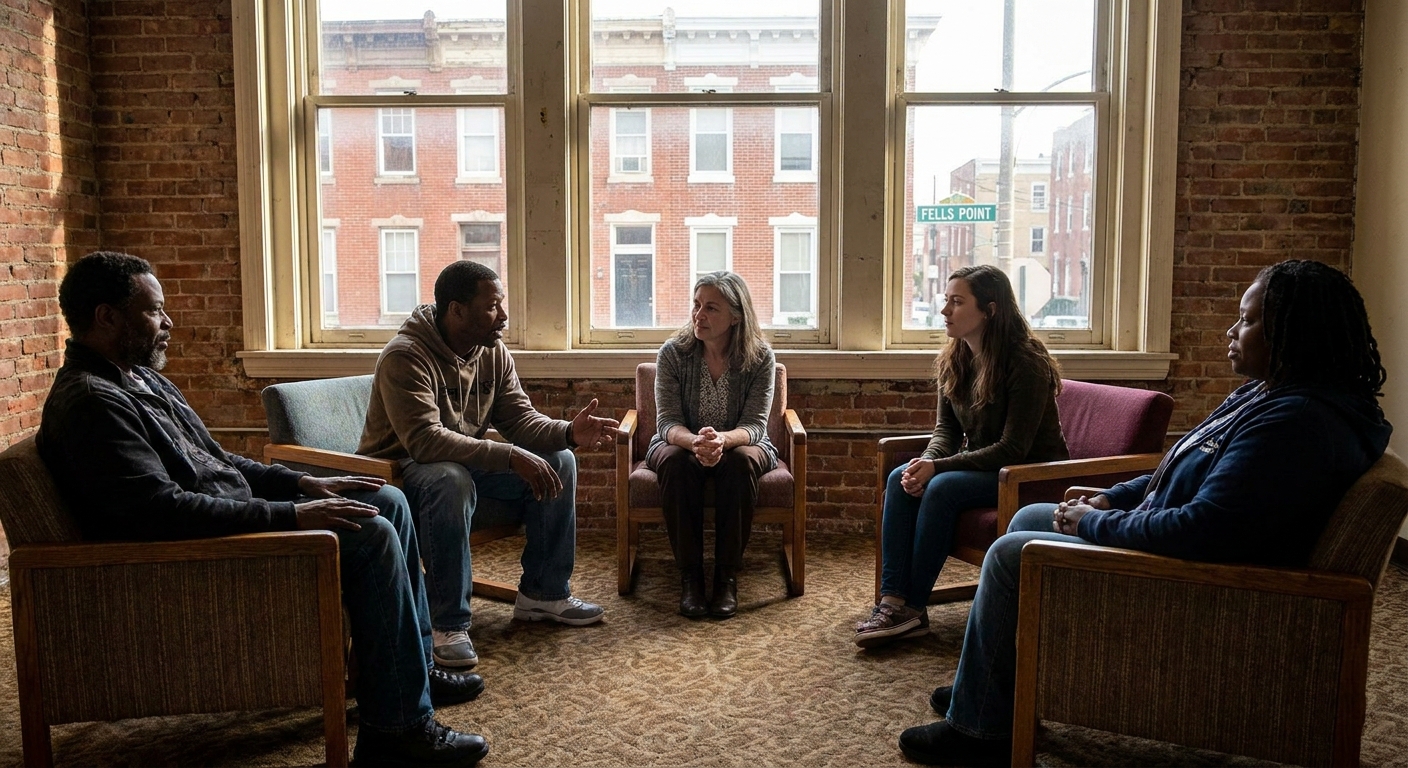

The journey toward lasting wellness often begins with finding a safe, stable place to call home. For individuals managing mental health conditions, the connection between secure housing and effective treatment is undeniable and absolute. Without stability in their living situation, accessing and benefiting from mental health care in Baltimore—or anywhere—becomes an uphill battle. This is why the concept of supportive housing in Baltimore has become a cornerstone of comprehensive recovery and long-term stability.
In a vibrant, complex city like Baltimore, housing problems are a significant barrier for many residents. When someone is constantly worried about where they will sleep or if they can keep a roof over their head, their mental well-being suffers immensely. In fact, instability often exacerbates existing conditions, creating a cycle that is incredibly difficult to break alone.
This article explores the critical relationship between having a secure living environment and achieving positive mental health outcomes. We will look at what supportive housing in Baltimore offers, how it differs from other options, and why securing this type of stability is the first, most powerful step you can take toward healing.
Why Housing Problems in Baltimore Impact Mental Health
The stress of housing insecurity is more than just inconvenient; it’s psychologically damaging. When an individual faces or experiences homelessness, the constant threat and fear activate the body’s stress response, leading to chronic anxiety, depression, and difficulty concentrating.
For those already navigating a mental health diagnosis, this instability can lead to:
- Treatment Disruption: Missing appointments, losing necessary medication, or being unable to store it properly.
- Worsening Symptoms: Extreme stress often triggers episodes or intensifies symptoms of conditions like PTSD, bipolar disorder, or schizophrenia.
- Isolation and Lack of Resources: It becomes nearly impossible to access community resources, job training, or social support when one has no fixed address.
Addressing housing problems in Baltimore is not a secondary concern; it is a primary form of mental health intervention. A secure environment provides the safety, quiet, and predictability needed for healing to take root. It shifts the focus from survival back to self-improvement and recovery.
What is Supportive Housing?
 Supportive housing in Baltimore is a specific type of assistance that combines affordable, permanent housing with voluntary support services. It is designed to help people live more independent and productive lives in the community.
Unlike temporary shelters, this type of housing is long-term and integrated into the community. The “supportive” aspect refers to the services bundled with the tenancy, which typically include:
- Case management
- Connections to mental health care in Baltimore providers
- Employment assistance and job training
- Life skills training (e.g., budgeting, cooking, medication management)
- Peer support groups and community building
The goal is simple: eliminate the major stressors (housing, treatment access) so the individual can dedicate their energy to recovery.
Supportive Housing vs. Transitional Housing vs. Traditional Housing
When searching for a stable place to live, it helps to know the differences between the common terms. Understanding these distinctions is key to finding the right solution for long-term stability in Baltimore and tackling housing problems in Baltimore.
| Housing Type | Primary Goal | Duration | Key Difference |
| Supportive Housing | Permanent stability and long-term recovery. | Permanent | Links housing directly with voluntary support services. |
| Transitional Housing | Short-term readiness for independent living. | Time-limited (e.g., 6–24 months) | Provides temporary housing and preparation to move into independent settings. |
| Traditional Housing | Independent living without specialized support. | Permanent | Standard apartment or house rental; tenant is responsible for finding all services. |
The advantage of supportive housing in Baltimore is its commitment to long-term care without a time limit, meaning individuals can maintain stability as long as they need the services. Transitional housing serves an important purpose but is a temporary bridge, whereas true supportive housing offers a lifetime foundation.
How Housing Directly Improves Mental Health Outcomes
The link between supportive housing and access to mental health care in Baltimore is a two-way street. Stable housing makes treatment possible, and treatment helps residents maintain their housing.
1) Consistent Access to Care
When a resident has a fixed address, they can reliably receive mail, keep a calendar, and consistently attend appointments. Service providers, including our center, can more easily coordinate care and ensure follow-up. This consistency is the single greatest predictor of successful mental health treatment. Secure housing allows someone to truly engage with mental health care in Baltimore.
2) Enhanced Medication Management
Many mental health conditions require strict adherence to a medication schedule. In an unstable environment, people frequently lose their prescriptions, have their medication stolen, or lack a safe place to store it (like a refrigerator). Supportive housing offers a private, secure space, making proper medication management easy and routine.
3) Reduced Stress and Trauma Exposure
Homelessness and housing insecurity are inherently traumatizing. Every day spent in a vulnerable situation adds to an individual’s psychological burden. Supportive housing removes the daily, exhausting struggle for survival, giving the brain and body a chance to rest and heal. This reduction in stress is a powerful therapeutic tool itself.
4) Rebuilding Life Skills
Many individuals in recovery have experienced a disruption in their development of essential life skills due to their mental health struggles or the resulting housing problems in Baltimore. Supportive housing programs include skills training—from cleaning and shopping to budgeting and navigating public transport—all done within a safe, guided setting. This empowerment builds self-efficacy and confidence.
5) Community and Social Integration
Isolation is a common feature of mental illness. Supportive housing environments often include shared common spaces, organized activities, and access to peer groups. This reduces loneliness and helps residents build a positive social network, which is key to long-term emotional well-being and recovery maintenance. Having a community within one’s home is an often-overlooked yet critical element of mental health care in Baltimore.
Key Steps to Accessing Support
If you or a loved one is facing housing problems in Baltimore and struggling with mental health, seeking supportive housing in Baltimore may seem complicated, but there is a clear path forward.
- Get a Clinical Assessment: The first step is to connect with a qualified mental health care provider in Baltimore, like a licensed therapist, counselor, or psychiatrist (e.g. 70x7wm.com). This establishes a formal diagnosis and confirms the need for supportive services.
- Contact Local Case Management: Housing programs usually work through centralized intake or case management systems. Our rehabilitation center has staff who specialize in connecting clients with these local resources and guiding them through the application process for housing.
- Understand Eligibility: Most supportive housing in Baltimore programs prioritize people based on the severity of their mental health condition, history of homelessness, or chronic housing instability. While a fixed income may be required, the rent is usually adjusted based on the resident’s ability to pay.
- Explore Transitional Housing Options: While the goal is permanent stability, transitional housing can be an excellent intermediate step. It provides a temporary, structured environment with support services while waiting for a permanent placement. Our center can provide guidance on finding the right transitional housing
- Utilize Community Resources: Look for non-profit organizations and government agencies in the Baltimore area that specialize in mental health and housing advocacy. They often have the most up-to-date information on available units.
It is important to remember that securing supportive housing in Baltimore is a process that requires patience, but the long-term rewards are worth the effort.
Our Role in the Baltimore Community
Our rehabilitation center recognizes that treatment does not end when a therapy session is over. For many of our clients, overcoming housing problems in Baltimore is the single most important intervention we can facilitate.
We specialize in high-quality, personalized mental health care in Baltimore, and our commitment extends to assisting clients with the challenges of daily life. Our case managers work diligently to connect clients with the most suitable resources, whether that is transitional housing for immediate stability or a pathway toward long-term supportive housing in Baltimore. We understand the intricate details of local resources and can accelerate the process, making the transition as smooth as possible.
We believe everyone deserves the chance to recover in dignity and peace. The stability of a home allows our clients to fully engage with their treatment plans, leading to better clinical results and a truly renewed sense of hope. We aim to be a source of strength and guidance, helping you build a life where both your housing and your mental health are secure.
Choosing Stability and Health
Moving from a state of constant anxiety about housing to a safe, private residence is transformative. It is the moment when true healing becomes possible. If you are struggling with a mental health condition, remember that you deserve comprehensive support that includes a secure place to live. Supportive housing is not a handout; it is a fundamental human need that dramatically increases the effectiveness of mental health care in Baltimore.
Do not let the fear of housing problems in Baltimore keep you from seeking the professional assistance you need. Help is available, and a stable, healthy future is within reach.
Need Professional Help?
If you or someone you cherish is struggling with a mental health condition and facing housing problems in Baltimore, our professional and compassionate team is here to guide you. We offer personalized treatment plans and can assist you in navigating the complex landscape of supportive housing in Baltimore, transitional housing, and other resources. Our expert case managers can help you understand your options for both mental health care in Baltimore and housing assistance. A stable home is the foundation; let us help you build it.
Conclusion
The evidence is clear: supportive housing in Baltimore is not a luxury; it is a clinical necessity for effective mental health recovery. By integrating safe, permanent housing with easy access to specialized mental health care services in Baltimore, individuals are given the best possible chance to recover, maintain wellness, and live independently in the community. Overcoming housing problems in Baltimore is the first giant leap toward a sustainable and happy life. If your path to recovery has been blocked by instability, know that solutions like supportive housing and transitional housing are available. Reach out for help today and begin building your stable foundation for tomorrow.