
Detox programs with mental health stabilization offer a structured, compassionate path to overcome substance dependence while supporting your emotional wellbeing. In a detox program with mental health stabilization, you benefit from medically supervised withdrawal management alongside evidence-based therapies that address co-occurring psychological challenges. Whether you’re seeking help for alcohol, opioids, benzodiazepines, or prescription drugs, professional care ensures your safety and comfort as you begin the journey to lasting recovery.
By combining 24-hour monitoring, medication management, and therapeutic counseling, these programs create a solid foundation for mental health stabilization before you transition into longer-term treatment. This article guides you through each phase—understanding how detox works, recognizing your mental health needs, exploring care settings, and planning aftercare—so you can make informed decisions and feel confident in your recovery plan.
Understand your detox process
When you enter a medically supervised detox program, you experience a three-phase process designed to stabilize you physically and mentally.
Evaluate and plan
First, clinical staff conduct a comprehensive assessment of your substance use history, medical conditions, and mental health status. This evaluation follows the Patient Placement Criteria from the American Society of Addiction Medicine (ASAM), covering dimensions like withdrawal potential, biomedical complications, and readiness to change [1]. Based on this assessment, you’ll receive a personalized plan that outlines:
- Level of care (outpatient, residential, inpatient)
- Medication protocols for withdrawal management
- Therapeutic interventions for mental health support
Medical stabilization
During stabilization, you receive medications to ease withdrawal symptoms safely. For opioid dependence, these might include methadone or buprenorphine. For alcohol withdrawal, a tapering schedule of benzodiazepines may be prescribed. Medical staff monitor your vital signs and adjust dosages as needed, reducing risks like seizures or cardiac complications [2].
Readiness for treatment
As symptoms abate, staff focus on preparing you for ongoing care. Through motivational interviewing and goal-setting exercises, you build insight into triggers and coping strategies. This readiness phase bridges detox with longer-term rehab, ensuring you enter therapy with clarity and confidence.
Address mental health needs
Co-occurring mental health conditions can complicate detox. Effective programs integrate psychological care from day one.
Therapy and counseling
You’ll engage in individual and group counseling to develop healthy coping skills and address root causes of substance use. Standard modalities include:
- Cognitive behavioral therapy (CBT) to reshape negative thought patterns
- Motivational enhancement therapy to boost commitment to change
- Family therapy to repair relationships and build support networks
(Source: SAMHSA)
Medication management
Medications for co-occurring disorders—antidepressants, anti-anxiety agents, mood stabilizers—are prescribed and monitored by psychiatrists or nurse practitioners. Proper management reduces relapse triggers like depression or severe anxiety.
Screening for co-occurring disorders
Routine, standardized screening identifies alcohol use disorder alongside mental health conditions such as depression or bipolar disorder. Integrated treatment for both issues yields better outcomes than addressing each separately [3]. Early detection and concurrent care decrease the likelihood of relapse and emergency psychiatric interventions.
Explore care settings
Choosing the right environment for detox and mental health support depends on your risk level, medical needs, and daily responsibilities.
| Care setting | Supervision level | Duration | Ideal clients |
|---|---|---|---|
| Outpatient detox program for mild withdrawal | Low to moderate, telehealth options | Days to weeks | Mild to moderate withdrawal, supportive home environment |
| Residential detox for drug and alcohol addiction | 24-hour onsite staff | Weeks | Moderate to severe withdrawal, safe environment, peer support |
| Medically managed detox for substance use | High, hospital-level monitoring | Days to weeks | Severe withdrawal, co-occurring medical or psychiatric issues |
Outpatient detox
This flexible model lets you remain at home, attending daily appointments for medical checks and therapy. It suits those with mild withdrawal risk and strong social support.
Residential detox
You live on-site in a structured facility, receiving round-the-clock care. Group therapy and peer support help you feel connected during challenging early days.
Inpatient medical detox
In a hospital setting, intensivists and addiction specialists manage complex cases involving severe withdrawal or unstable medical conditions. Emergency protocols and advanced monitoring safeguard your health.
Manage withdrawal safely
Comfort and safety are top priorities during detox. Programs use evidence-based strategies to mitigate risks and ease symptoms.
24-hour monitoring
Continuous monitoring of vital signs, fluid balance, and mental status ensures prompt response to complications like seizures or hallucinations. Protocols for emergencies are in place to transfer you to higher levels of care if necessary.
Symptom management
Staff administer medications based on severity and substance type:
- Methadone or buprenorphine for opioid withdrawal
- Tapered benzodiazepines for alcohol or sedative withdrawal
- Clonidine to address autonomic symptoms such as high blood pressure
(Source: SAMHSA)
Comfort-focused care
To reduce distress, you have access to:
- Warm showers, rest areas, and private rooms
- Holistic therapies like massage, yoga, or meditation [4]
- Peer support groups where you can share experiences and encouragement
Support nutritional wellbeing
Addressing nutritional deficits accelerates healing and stabilizes brain chemistry.
Common deficiencies
Substance misuse often leads to shortages in:
- Protein, fat, zinc, calcium, iron, and vitamins in alcohol dependence
- Reduced calcium absorption and altered electrolyte balance in opioid use
(Source: NCBI Bookshelf)
Nutritional interventions
Dietitians design meal plans rich in:
- Lean proteins and healthy fats to rebuild muscle and cell membranes
- Calcium and magnesium to support nerve and muscle function
- Vitamin complexes to replenish B-vitamins and antioxidants
Wellness therapies
Physical activities like gentle stretching or walks boost circulation and mood. Combined with counseling, these practices help rebalance neurotransmitters and improve emotional regulation [5].
Plan long-term aftercare
A successful detox lays the groundwork for lasting recovery, but ongoing support is essential.
Peer support and counseling
After detox, you can join mutual-help groups or continue individual therapy to reinforce coping skills. Programs offering detox with counseling and peer support maintain continuity of care.
Medication-assisted treatment
For opioid use disorder, transitioning into a MAT detox program for opioid addiction or suboxone-assisted detox services can reduce cravings and prevent relapse.
Case management and housing
Coordinated case management addresses barriers such as unstable housing or lack of insurance. In some regions, adding onsite case managers at detox centers has improved continuity of care post-discharge [6].
Choose the best detox program
Your recovery starts with selecting a program that fits your clinical needs and personal circumstances.
Insurance and coverage
Verify that your plan covers medically supervised detox. Look for programs labeled as best detox program with insurance coverage to minimize out-of-pocket costs.
Program specialization
If you have co-occurring disorders, choose a center offering detox with dual diagnosis treatment. Veterans may prefer facilities experienced in military-related trauma like medically supervised detox for veterans.
Accreditation and expertise
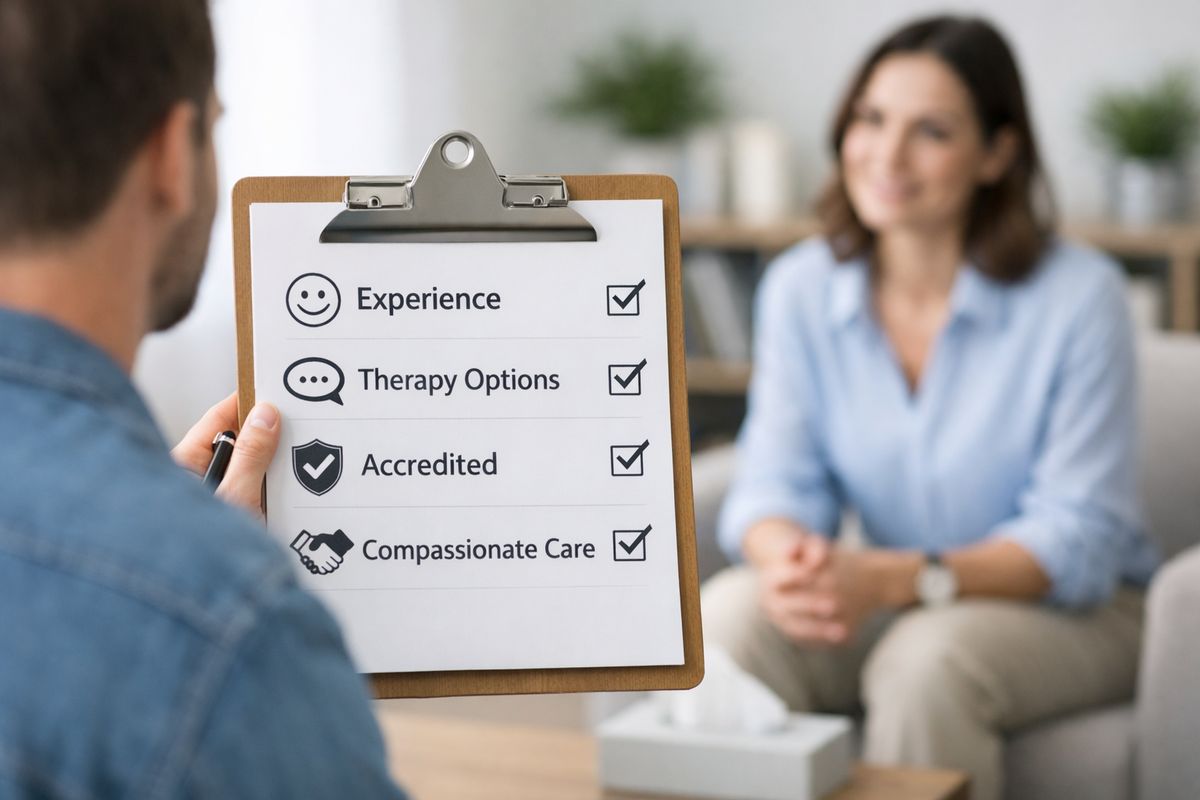
Seek programs accredited by The Joint Commission or CARF. Board-certified physicians, psychiatrists, and addiction specialists indicate high standards of care.
Take the next step
Navigating detox with mental health stabilization can feel overwhelming, but you don’t have to do it alone. By understanding the process, addressing your psychological needs, and choosing a program that offers 24-hour monitoring, individualized care, and a smooth transition to aftercare, you set the stage for a healthier future. Reach out today to learn more about our insurance-verified, medically managed detox options and start your journey toward lasting recovery.