
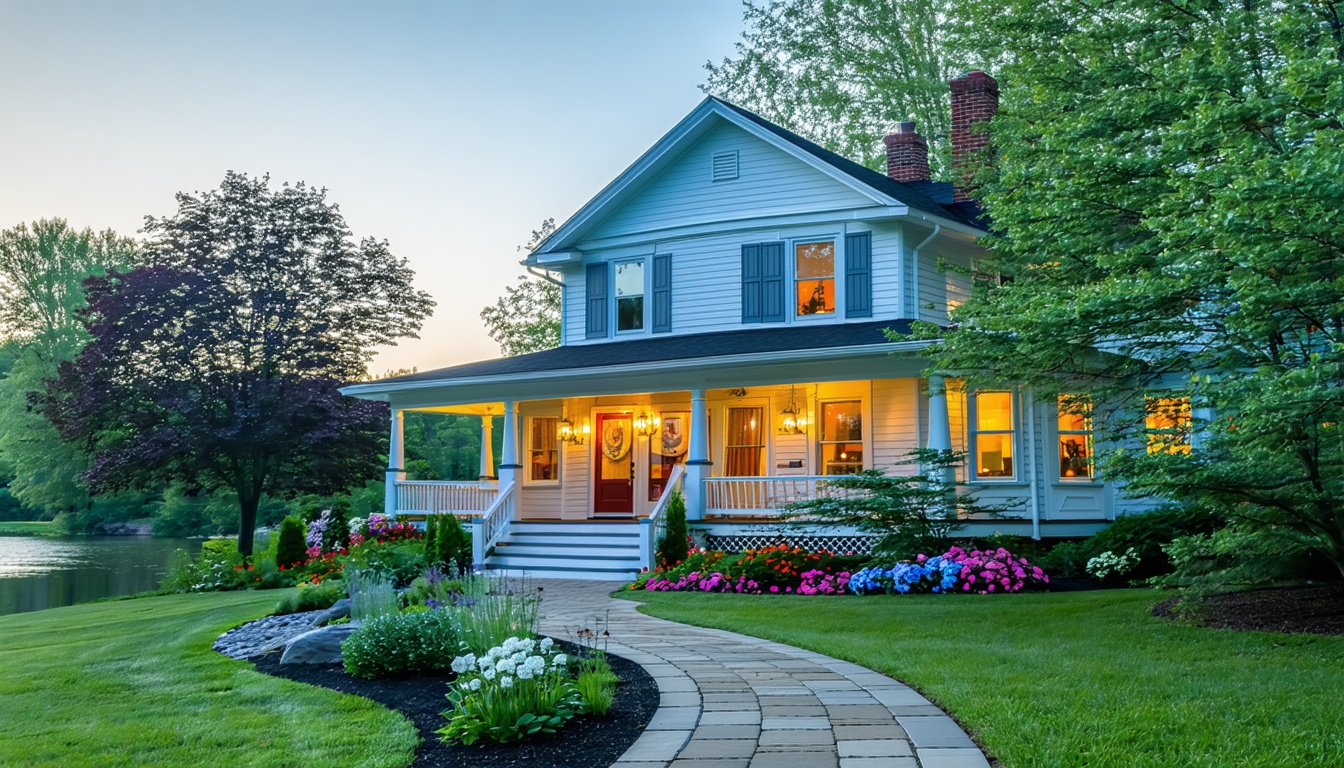
When you’re exploring a residential program for bipolar disorder, you’re taking a significant step toward stability and lasting wellness. Mental health treatment spans a continuum—from outpatient therapy and intensive outpatient programs (IOP) to partial hospitalization (PHP) and fully immersive residential care. Each setting offers unique supports, so understanding how they compare will help you choose the path that aligns with your recovery goals and life circumstances. In this guide you’ll learn what a residential program for bipolar disorder entails, how it differs from other levels of care, and what to look for when selecting the right fit.
Understand treatment settings
Outpatient and IOP options
If you need flexibility to maintain work or family commitments, outpatient therapy lets you attend weekly sessions in the evening or early morning. Explore our outpatient therapy for trauma and ptsd and iop for mental health and substance abuse to see structured, part-time care that builds coping skills and relapse prevention.
Partial hospitalization overview
A partial hospitalization program bridges the gap between outpatient and residential care. You’ll spend several hours each day on therapeutic activities—psychoeducation, group counseling, medication review—while returning home in the evenings. Learn more in our php program for mental health disorders.
Residential care overview
Residential treatment provides a 24-hour supportive environment in a controlled facility. You live on-site with round-the-clock medical, psychiatric, and peer support. For details on our full continuum of services, see residential mental health treatment program.
Define residential program for bipolar disorder
What to expect
In a residential program for bipolar disorder, you’ll follow a structured daily schedule designed to stabilize mood, improve functioning, and teach coping strategies. Typical components include:
- 24/7 medical and psychiatric monitoring
- Individual therapy sessions with a psychiatrist and therapist
- Group counseling focused on mood management and relapse prevention
- Medication management to optimize your regimen
- Skills workshops on stress management, sleep hygiene, and emotional regulation
- Holistic activities such as art, music, nature therapy, yoga
Duration and structure
Most residential stays range from 30 to 90 days, allowing enough time to achieve stabilization and practice new skills in a safe setting [1]. Some programs extend to four months or longer for complex or dual diagnosis cases, as seen at Skyland Trail’s residential program for bipolar disorder, which typically lasts 2 to 4 months before transitioning clients to day treatment [2].
Explore treatment components
Medication management
Proper medication management ensures you get the full benefit of mood stabilizers and other prescriptions, reducing the risk of relapse and adverse side effects [3]. In residential care you’ll have:
- Daily medication review by licensed professionals
- 24/7 access to nursing staff for questions or concerns
- Dose adjustments based on ongoing assessments
Psychotherapy and skills groups
A mix of individual and group therapies addresses the emotional and cognitive aspects of bipolar disorder. Common approaches include:
| Therapy type | Focus |
|---|---|
| Cognitive behavioral therapy | Identify and reframe negative thinking patterns |
| Dialectical behavior therapy | Improve emotional regulation and interpersonal skills |
| Psychoeducational groups | Learn about bipolar disorder, triggers, and warning signs |
| Family therapy | Enhance communication and support within your network |
Holistic and lifestyle therapies
Residential programs often integrate wellness practices that support overall recovery:
- Nutrition planning and healthy meal preparation
- Exercise and active living routines
- Art, music, and nature-based therapies
- Sleep hygiene education and routine restoration
Consider dual diagnosis care
Integrated addiction support
Many individuals with bipolar disorder also face substance use challenges. An integrated approach treats both conditions simultaneously, improving outcomes and reducing relapse risk. Look for programs that offer a residential dual diagnosis program or a bipolar and addiction treatment program to ensure coordinated care across mental health and addiction specialists.
Family and peer support
Family involvement and peer connection reinforce recovery. You may participate in:
- Family psychoeducation sessions to build understanding and healthy dynamics
- Peer-led support groups such as NAMI, shown to boost long-term treatment retention [4]
- Community meetings and alumni networks for ongoing encouragement
Evaluate program features
Staff qualifications
Verify that the facility employs board-certified psychiatrists, licensed therapists, and credentialed nursing staff. A multidisciplinary team ensures you receive comprehensive care for both bipolar symptoms and any co-occurring conditions.
Accreditation and evidence base
Choose programs accredited by recognized bodies such as The Joint Commission or CARF. Accreditation signifies adherence to high clinical standards and evidence-based practices. Consider whether the center incorporates collaborative care models, which have demonstrated reduced mania symptoms and higher satisfaction compared to standard care [5].
Environment and amenities
Take note of the setting and available amenities:
- Private or shared rooms
- On-site recreational spaces and outdoor areas
- Privacy and security measures
- Access to holistic facilities (gyms, art studios, meditation rooms)
Plan your transition journey
Aftercare and step-down
A safe transition from residential care is essential. Many programs offer step-down options such as an intensive outpatient program for depression or continued support through outpatient therapy with psychiatric support. These services help you apply new skills in real-world settings while maintaining clinical oversight.
Community and housing support
Recovery housing or sober living environments can reinforce your progress by providing structured, supportive living arrangements. Peer mentor programs and community resources further strengthen your support network, lowering the risk of relapse.
Choose the right fit
Personalize your criteria
When comparing residential options, consider:
- Your specific diagnosis, severity, and any co-occurring disorders
- Location and distance from home or family
- Program philosophy and therapeutic approaches
- Staff-to-client ratio and group sizes
- Insurance acceptance, cost, and financing options
- Specialized tracks (LGBTQ, BIPOC, parents, trauma-informed)
Questions to ask providers
Use these questions to guide your decision:
- What credentials and experience do your clinical staff hold?
- How do you integrate dual diagnosis treatment into daily care?
- What is the average length of stay and criteria for discharge?
- Which evidence-based therapies do you offer for bipolar disorder?
- How do you manage medication and monitor side effects?
- What aftercare and step-down services are available?
- Can family members participate in treatment or education sessions?
Making an informed choice about a residential program for bipolar disorder empowers you on the path to recovery. Evaluate your needs, compare evidence-based services, and reach out to programs that offer the supportive, comprehensive care necessary for lasting stability. Your journey to balanced mood and renewed wellbeing starts with the right residential setting—take that next step today.