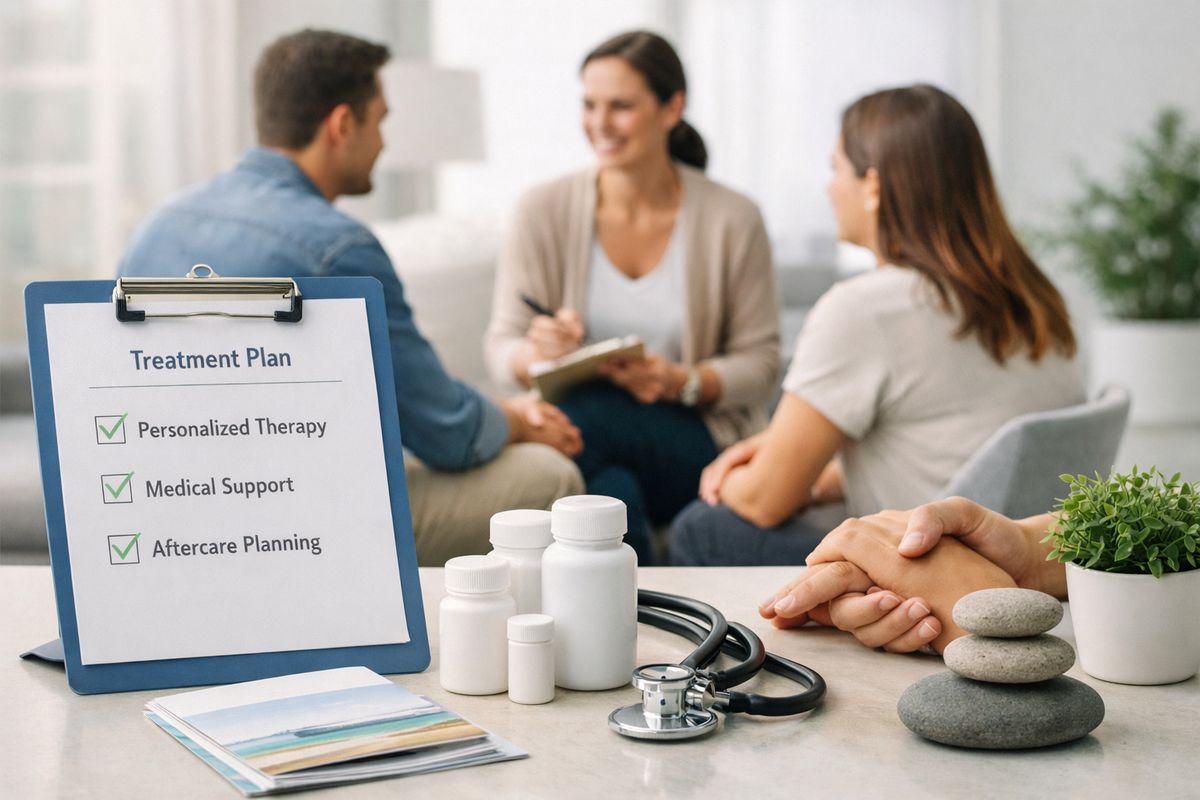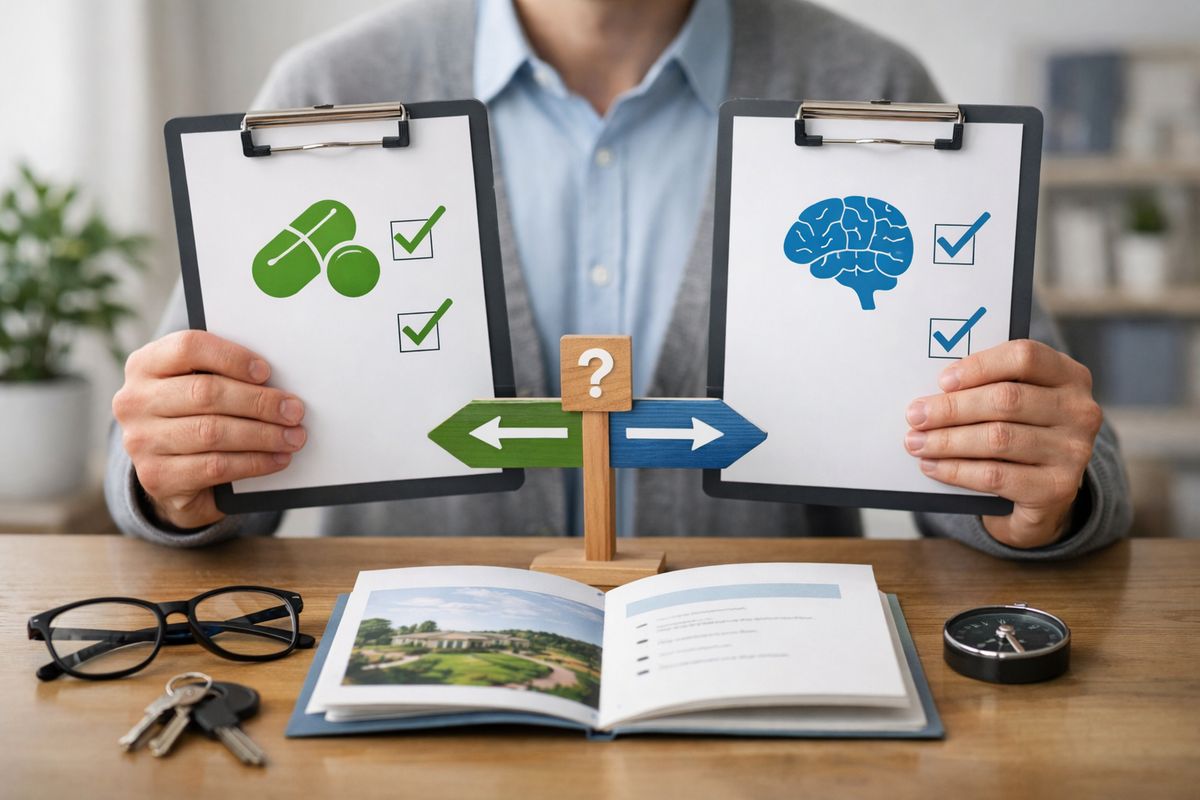

By choosing residential detox with aftercare planning, you take the first step toward a safer, more structured path out of addiction. This approach combines 24-hour medical supervision in a controlled environment with a comprehensive discharge plan designed to sustain your progress. In this article, you will learn how residential detox works, explore your treatment options—including medication-assisted therapies and Suboxone clinics—and discover strategies for a smooth transition into long-term recovery.
Understand residential detox
What is residential detox
Residential detox provides round-the-clock care as you clear substances from your system. Unlike outpatient drug detox services, you live onsite under supervision from medical professionals. This setting allows for:
- Continuous monitoring of withdrawal symptoms
- Immediate access to medications and comfort measures
- Structured daily routines that focus on stabilization
Many centers that offer medically managed detox for substance abuse also provide mental health evaluation, ensuring holistic support.
Benefits of residential care
A live-in program offers distinct advantages:
- Controlled environment free of triggers
- 24-hour medical and emotional support
- Privacy safeguards that protect your confidentiality [1]
- Access to nutritional guidance, fitness activities, and holistic therapies
Studies show that patients in residential programs report lower relapse rates compared to those in outpatient settings, thanks to continuous care and structured support.
Privacy and safety
Residential facilities prioritize confidentiality through private rooms or secure grounds. Trusting that your personal story remains protected lets you focus fully on healing. Whether you choose a specialized residential detox for substance abuse program or a general inpatient setting, clear privacy policies build reassurance.
Explore detox options
Medical detox
If you experience moderate to severe withdrawal, a medical detox for alcohol withdrawal or drug detox with withdrawal support can ease symptoms. Common elements include:
- Medication-assisted management of nausea, tremors, and anxiety
- Vital sign checks and lab monitoring
- Tapering schedules for opioids or benzodiazepines
For opioid dependence, you might start with an opioid detox program that uses short-term substitution medications under close supervision.
Outpatient alternatives
When home conditions are stable and withdrawal symptoms are mild, outpatient detox allows you to return each day for treatment. Options include:
- Partial hospitalization programs
- Intensive outpatient detox and counseling programs
- Regular visits for medication adjustments
Outpatient suboxone programs give you flexibility while maintaining accountability.
Dual diagnosis care
If you have co-occurring mental health conditions, look for a detox center with behavioral health support. Dual diagnosis care integrates psychiatric treatment—such as trauma-informed therapy—with detox, reducing the risk of relapse by addressing the root causes of substance use.
Embrace medication-assisted treatment
Role of MAT
Medication-assisted treatment programs combine FDA-approved drugs with counseling and behavioral therapies. Medications like buprenorphine, methadone, and naltrexone help reduce cravings and withdrawal discomfort. A structured MAT plan:
- Stabilizes brain chemistry
- Decreases illicit opioid use
- Improves retention in treatment
Patients who follow MAT protocols demonstrate significantly higher success rates than those relying on detox alone.
Suboxone clinics
Suboxone clinics for opioid addiction specialize in prescribing buprenorphine and providing ongoing therapy. Key features include:
- Individualized dosing and monitoring
- Counseling support to develop coping skills
- Flexible scheduling for follow-up visits
If you are seeking a suboxone-based opioid recovery program, these clinics offer a foundation for long-term sobriety.
Beyond detox medication
After initial stabilization, your MAT provider may adjust medications to support maintenance or tapering. Combining pharmacotherapy with cognitive behavioral therapy and peer support builds a robust recovery network.
Plan effective aftercare
Aftercare basics
Aftercare planning serves as the bridge between acute treatment and daily living. It typically involves:
- Discharge assessments and goal setting
- Developing relapse prevention strategies
- Coordinating referrals to support services
According to The Recovery Village, return-to-use rates after rehab can reach 80% without proper aftercare planning [2]. A tailored plan increases your chances of sustained recovery.
Types of programs
You can choose from a variety of aftercare options:
- Sober living homes that enforce sobriety rules
- Alumni programs hosted by treatment centers
- Support groups such as 12-Step fellowships or SMART Recovery
- Ongoing therapy and case management
A table comparing these options can help you decide which mix suits your needs:
| Aftercare option | Description | Benefit |
|---|---|---|
| Sober living homes | Drug-free residences with house rules | Peer accountability |
| Alumni programs | Organized group activities for graduates | Continued community support |
| Support groups | Fellowships like AA or NA | Free mutual-help opportunities |
| Ongoing therapy | One-on-one or group counseling | Professional relapse prevention |
Success rates
Research from Cedar Oaks Wellness shows patients in aftercare programs maintain sobriety at rates up to 70% higher than those without follow-up support [3]. Consistent participation in peer support groups correlates with long-term abstinence.
Transition to sober living
Sober living homes
These residences offer a structured environment as you regain independence. Key rules often include:
- Regular drug testing
- Curfews and chore assignments
- Attendance at support meetings
Moving into a sober living home after detox reduces exposure to old triggers and helps you practice new coping skills in a supportive setting.
Alumni and peer support
Many treatment centers host alumni events and mentor programs. Staying connected with peers who understand your journey fosters accountability. An alumni network can:
- Offer sponsorship for 12-Step groups
- Organize recreational activities
- Provide job and educational referrals
Ongoing therapy
Continuing individual or group therapy addresses emerging challenges. Specialized programs for dual diagnosis care or trauma recovery ensure you have the tools to manage stressors without returning to substance use.
Build relapse prevention strategies
Coping skills and triggers
Effective relapse prevention plans identify personal triggers—such as stress, social pressure, or environmental cues—and outline coping strategies:
- Mindfulness and relaxation techniques
- Emergency contact lists
- Structured daily routines
By practicing these skills during aftercare, you reinforce healthy habits.
Support groups
Regular attendance at mutual-help meetings provides real-time encouragement. Groups like Alcoholics Anonymous, Narcotics Anonymous, and SMART Recovery help you share experiences and gain new perspectives on recovery challenges.
Lifestyle adjustments
Long-term wellness often involves:
- Balanced nutrition and exercise
- Healthy sleep patterns
- Rebuilding relationships and social networks
Creating a sober support network of family, friends, and mentors helps you stay focused on positive growth.
Choose a supportive program
Accreditation and credentials
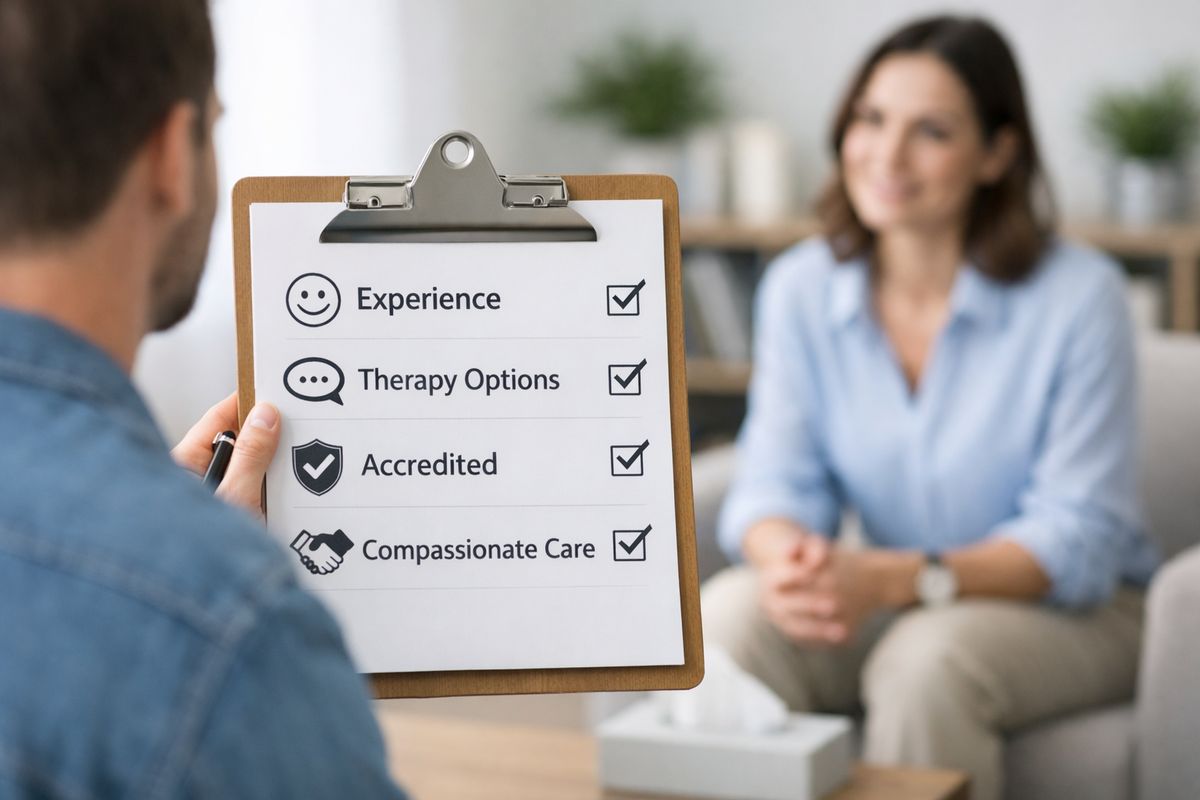
Verify that your chosen center holds certifications from reputable bodies, such as the Joint Commission or the Commission on Accreditation of Rehabilitation Facilities. Qualified staff should include licensed physicians, nurses, and mental health professionals.
Specialized populations
If you belong to a unique group—veterans, LGBTQ+ individuals, or pregnant women—look for programs designed to meet your needs. For example, some detox program for veterans in recovery services offer tailored therapies that respect military culture.
Questions to ask
Before committing to a program, consider asking:
- What aftercare services are included in discharge planning?
- Is medication-assisted treatment available on site?
- How do you coordinate care with outpatient providers?
- What privacy measures are in place?
- Are there options for holistic therapies and dual diagnosis support?
Clear answers will help you choose a facility where you feel safe and understood.
You do not have to navigate addiction recovery alone. With a structured residential detox program, comprehensive aftercare planning, and ongoing support, you can regain control of your life. Explore trusted providers—whether you need an alcohol detox with medical supervision, an opioid addiction detox center, or a medication assisted opioid treatment—and take the next step toward lasting sobriety. Your journey to transformation starts now.